

Brown Farmhouse Chairs
Brown farmhouse chairs bring practical, vernacular seating into modern rooms through solid timber construction and honest regional design.
Brown Farmhouse Chairs
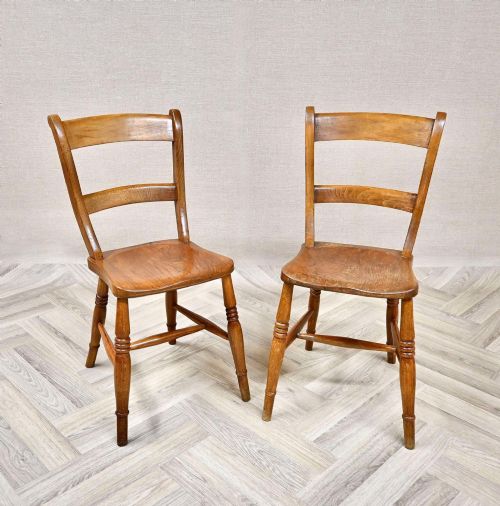
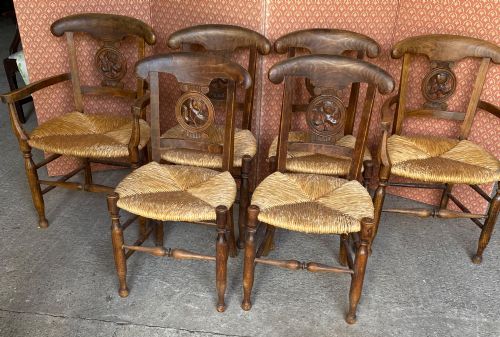
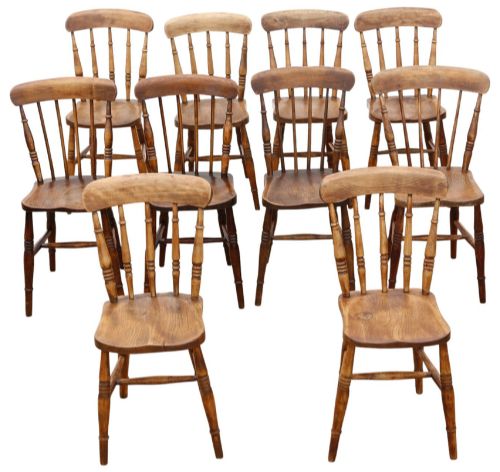
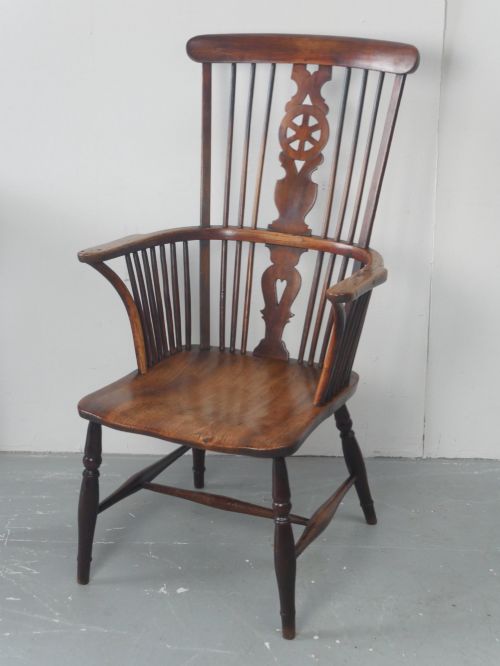
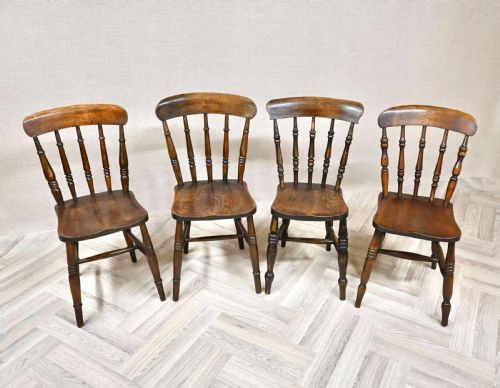
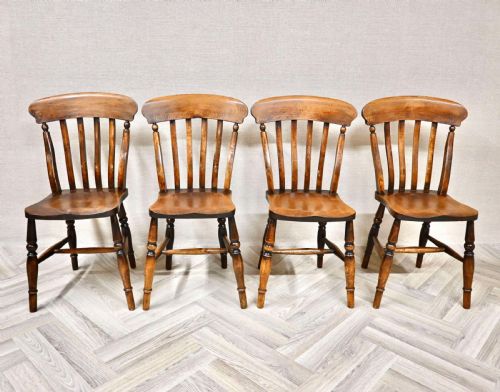
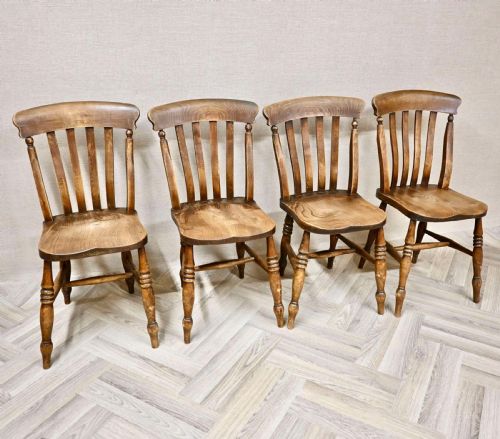
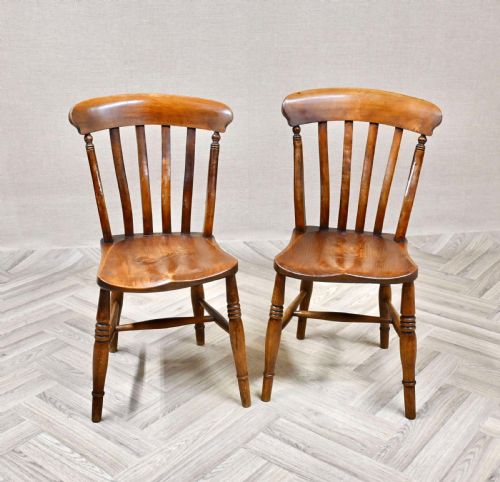
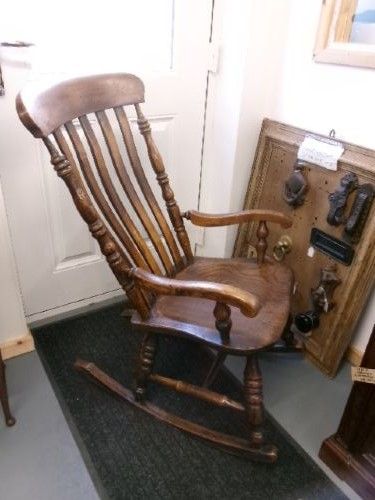
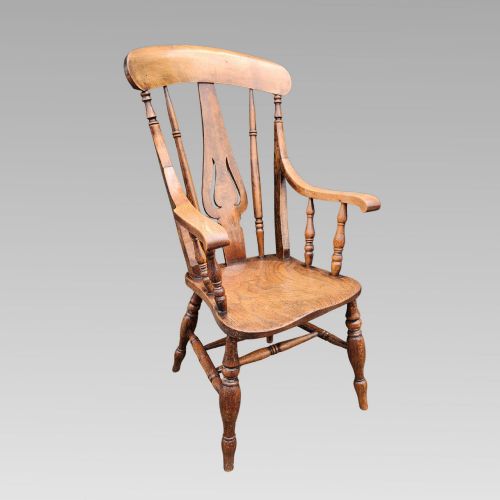
When you search for brown farmhouse chairs, you encounter practical vernacular seating shaped by nineteenth and early twentieth-century domestic life. These pieces include single dining chairs, carvers, armchairs, rocking chairs, and benches suited to everyday use.
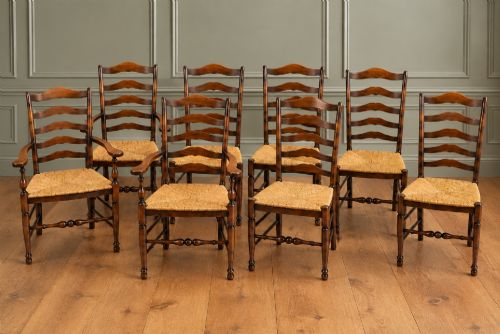
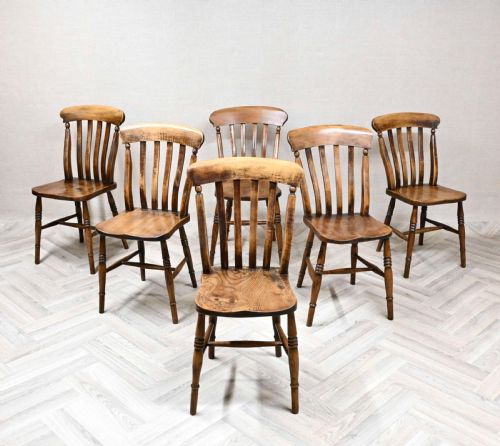
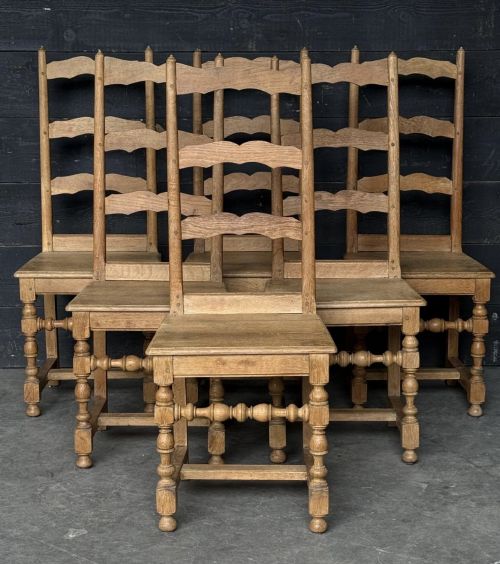
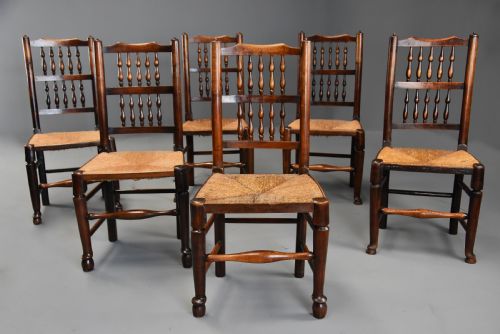
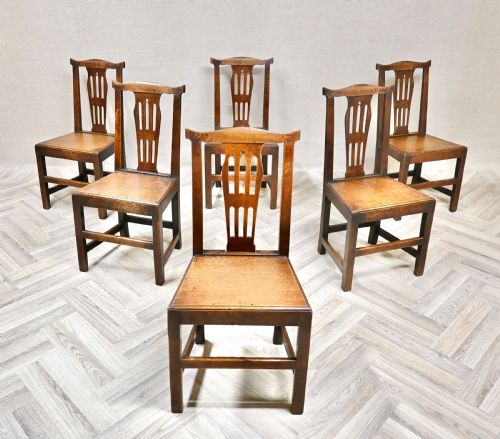
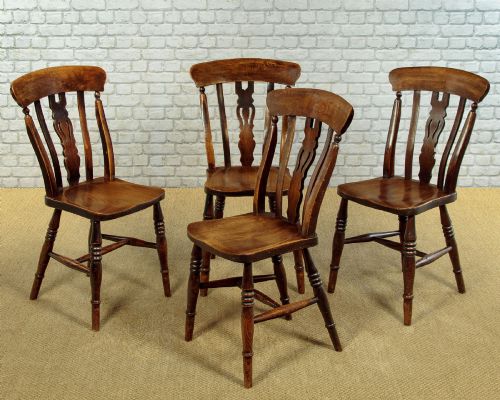
The most frequent form on this page is the Windsor chair, alongside ladderbacks, spindle backs, and lathbacks. You will find them grouped in sets of four, six, eight, or ten, as well as in pairs or as individual armchairs.
Origins span English, French, and regional traditions, moving from Georgian workshops through the Victorian era and into the early twentieth century. Their enduring appeal lies in straightforward utility and unpretentious timber frames.
Materials and construction methods
Maker traditions relied on pairing contrasting timbers to balance structural strength with comfortable seating. Seats were typically carved from solid elm, while ash, beech, fruitwood, and oak formed the legs, stretchers, hoops, and spindle backs.
Turned components and steam-bent uprights gave these chairs their resilience under heavy domestic workloads. Many examples incorporate rush seating or pegged joints, reflecting regional carpentry methods passed down through generations.
Brown Farmhouse Chairs Retail Price Guide 2026
Typical asking prices for brown farmhouse chairs among the pieces listed under this phrase on Sellingantiques today, from the lower quarter to the upper quarter. They describe what is for sale here now, not the wider market.
Current listings feature pieces spanning the Georgian period, the Victorian era, and the early twentieth century up to nineteen-thirty.
Distinguishing quality across examples
Quality rests in the harmony of the timber selection and the integrity of the original construction. Chairs built with thick elm seats and well-balanced ash or fruitwood turnings display a superior solidity.
The depth of the grain, the crispness of the turned spindles, and the preservation of a deep surface patina separate ordinary utility pieces from finer vernacular outputs. Matching sets that retain their original stretchers and finish command greater interest.
Worksop best model
The Brown Farmhouse Chairs Glossary
- Windsor
- A chair built with a solid wooden saddle-shaped seat into which the legs, back spindles, and bow are independently tenoned. This construction method provides exceptional rigidity.
- Spindle back
- A chair back filled with numerous thin, turned wooden uprights. These vertical elements distribute weight evenly and offer reliable lumbar support.
- Lathback
- A chair back featuring a wide central flat wooden slat, often combined with smaller turned spindles. This regional variation appeared frequently in nineteenth-century kitchens.
- Rush seat
- A seating surface woven from dried marsh rushes around a wooden frame. Traditional seating provides a resilient, slightly yielding pad.
- Patina
- The deep surface sheen and colour developed by timber through decades of handling, cleaning, and light exposure. It marks genuine age and use.
- Stretcher
- A horizontal rail connecting the legs of a chair to reinforce the underframe. Double stretchers provide extra stability in heavily used kitchen seating.
Brown Farmhouse Chairs: Frequently Asked Questions
How do I care for antique wooden chairs?
Keep wooden chairs away from direct heat sources and sudden temperature shifts to prevent timber splitting.
Apply a microcrystalline wax periodically to nourish the grain and preserve the surface finish without building up sticky residues.
Are these chairs comfortable for daily dining?
Most examples feature saddle-shaped solid seats and supportive spindle backs designed for prolonged sitting.
Armchairs and deep-seated variations offer additional room, making them suitable for relaxed daily use around a kitchen table.
How can I date a farmhouse chair?
Examine the tool marks, the turning style of the legs, and how the spindles join the seat.
Hand-turned components, pegged joints, and cumulative surface wear typically point toward nineteenth-century origins.
What is a harlequin set?
A harlequin set brings together individual chairs that share a similar period, material, and vernacular style rather than being cut from one original workshop.
This approach allows you to gather a complete dining arrangement with matching character while retaining individual subtle variations.