



Brown Embroidery Sampler
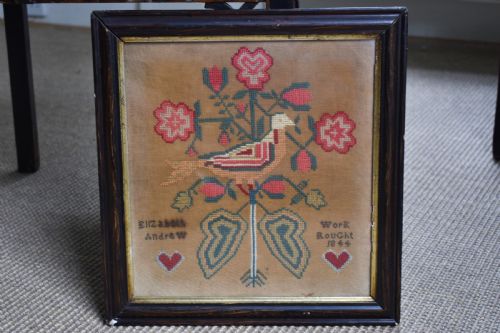
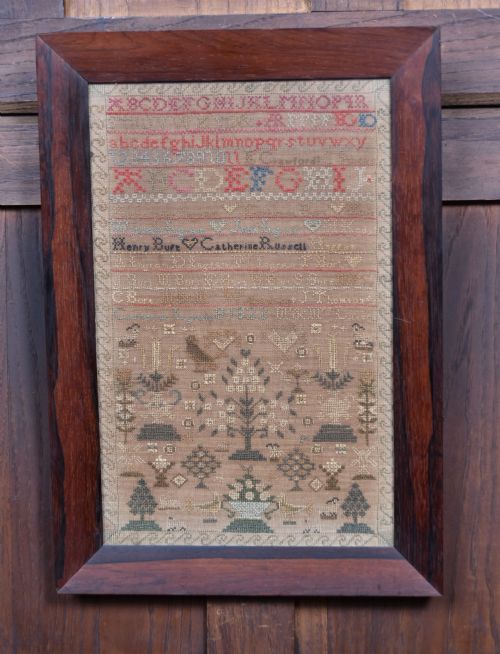
A brown embroidery sampler is a piece of needlework art executed in subdued, earthy tones, prized for the intimate glimpse it affords into historical domestic education.
Brown Embroidery Sampler
A brown embroidery sampler is a needlework piece typically created on a fabric ground using wool, silk, or thread, spanning periods from the 17th century to the Victorian era. When searching for a brown embroidery sampler, buyers encounter textile art forms ranging from standard alphabet and numeral exercises to pictorial compositions, moral texts such as the commandments, and functional items like fire screens.
The objects on this page predominantly date from the 19th century and the Victorian period, though earlier examples from the 17th century, Stuart, and Georgian eras also appear. Forms include framed wall art, needlework pictures, and tapestry samplers produced by named makers such as Ann Hodson, Ann B Gilies, Rachel at Oswestry National School, and Jane Pattinson.
How they were made
These works rely on textile materials such as linen and canvas grounds stitched with wool, silk, and thread in techniques including gros point and petit point. Makers worked stitches by hand to form alphabets, figures, horses, and textual passages.
Framing materials complete the construction of these pieces, utilising wood, gilt, glass, and rosewood frames to protect the delicate needlework displayed as wall art or incorporated into fire screens.
Brown Embroidery Sampler Retail Price Guide 2026
Typical asking prices for brown embroidery sampler among the pieces listed under this phrase on Sellingantiques today, from the lower quarter to the upper quarter. They describe what is for sale here now, not the wider market.
Listings feature needlework samplers spanning the 17th century, Georgian, Regency, and Victorian periods, utilising materials like linen, wool, silk, and rosewood.
What varies in quality
Quality in these textiles rests upon the precision of the needlework execution, the complexity of the design, and the survival of the original materials. Pieces incorporating diverse stitches like gros and petit point display a higher degree of technical skill than basic lettering exercises.
The condition of the fibres and the retention of original framing elements, such as rosewood or gilt surrounds, influence the character of each piece. Works bearing identifiable maker signatures and dates add a documentary depth that distinguishes individual examples.
Ann Hodson·Ann B Gilies·Rachel·Jane Pattinson
The Brown Embroidery Sampler Glossary
- Sampler
- A piece of needlework produced as a demonstration or test of skill in various stitches and patterns. These often feature alphabets, numerals, and motifs.
- Gros point
- A coarse counted-thread embroidery stitch worked on canvas. It creates a durable, textured surface often seen in larger tapestry works.
- Petit point
- A fine tent stitch worked on canvas that allows for high detail and shading in pictorial needlework. It typically appears alongside coarser stitches in advanced pieces.
- Fire screen
- A piece of freestanding furniture featuring a decorative panel designed to shield a person from the direct heat of a fireplace. Many utilised framed needlework samplers for the insert.
- Gilt
- A thin layer of gold applied to wood or other surfaces for decoration. It frames many historical textile works.
Brown Embroidery Sampler: Frequently Asked Questions
What is a brown embroidery sampler?
A brown embroidery sampler is a historical textile piece created using needle and thread on a fabric ground, executed primarily in earthy tones. These works served as exercises in skill, records of domestic education, or decorative wall art.
Items of this type range from simple alphabet exercises to complex pictorial scenes, religious texts, and functional household furnishings produced across several centuries.
How were samplers used historically?
Historically, young makers stitched samplers to practice and demonstrate their proficiency in various needlework techniques and stitches. They preserved alphabets, numbers, and decorative motifs for future reference in household sewing.
Completed pieces were frequently framed and displayed in domestic interiors as wall art or mounted into functional items like fire screens to showcase the maker's accomplishments.
How do I identify the period of a sampler?
Dating relies on stylistic clues, framing materials, and sometimes direct inscriptions left by the maker. Many pieces include specific dates, school names, or the age of the maker stitched directly into the fabric.
Materials such as rosewood frames, specific canvas types, and distinct typographic styles associated with Georgian or Victorian aesthetics also help establish the date of creation.
How should I care for a antique sampler?
Antique samplers require protection from direct sunlight to prevent the fading of wool, silk, and thread colours. Keeping them behind glass in stable environmental conditions safeguards the fragile textile fibres.
Avoiding excessive moisture and handling the frame rather than the fabric ensures the long-term preservation of these historical needlework pieces.