
Brown Elm Kitchen Chairs
Brown elm kitchen chairs bring honest country character to a room, offering sturdy wooden seating shaped by generations of domestic use.
Brown Elm Kitchen Chairs
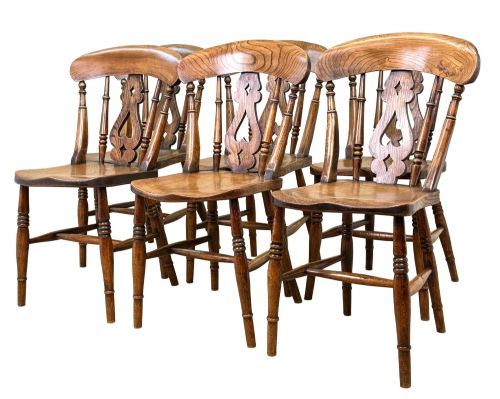
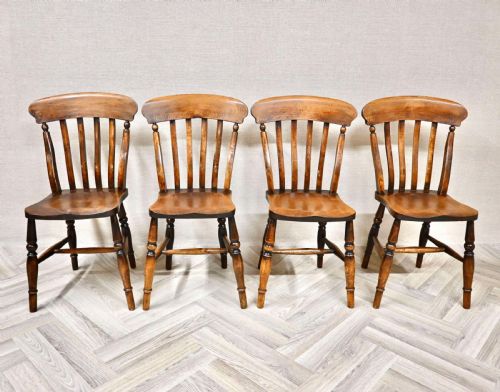
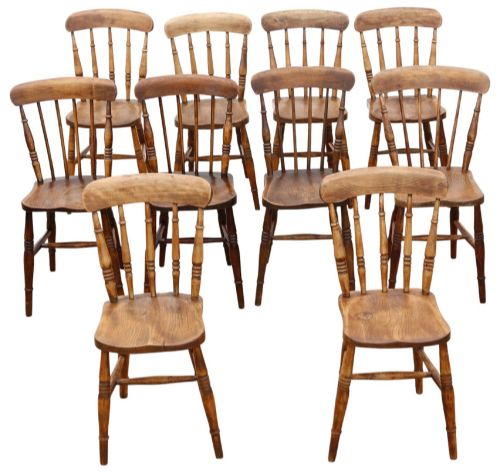
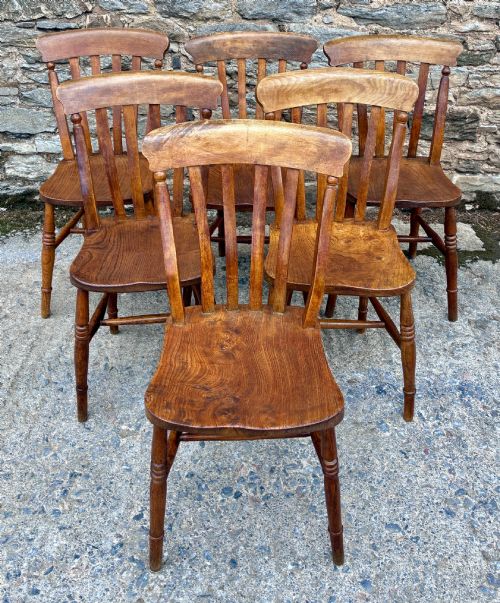
Brown elm kitchen chairs are robust wooden seating pieces created for everyday domestic service in farmhouses and rural homes. You will frequently encounter sets of dining chairs alongside single armchairs originating from the nineteenth century and the early twentieth century.
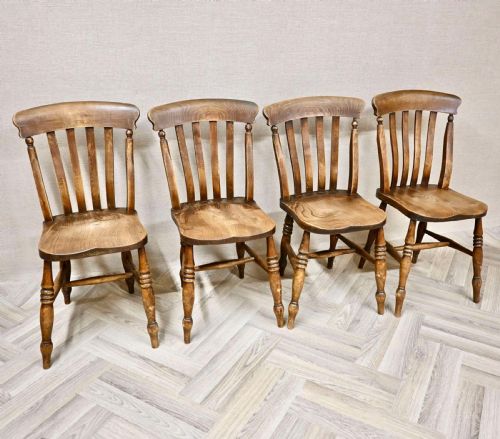
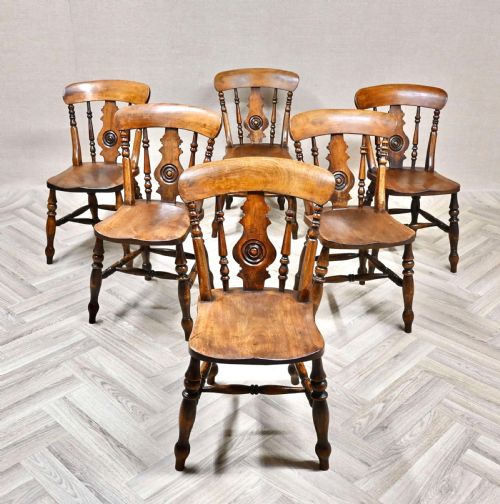
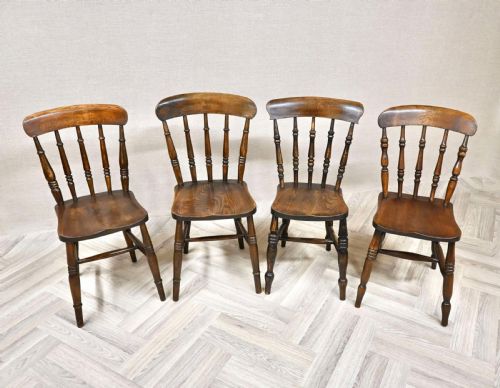
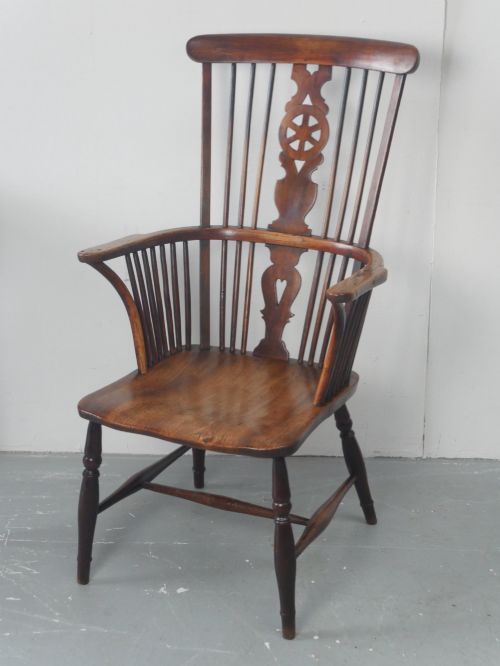
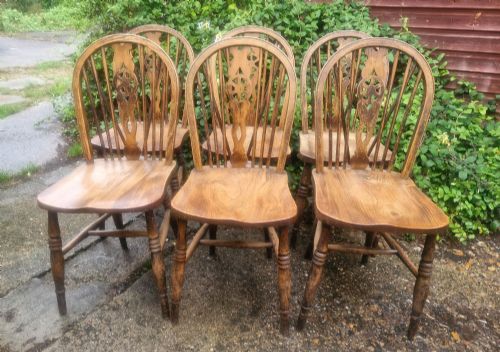
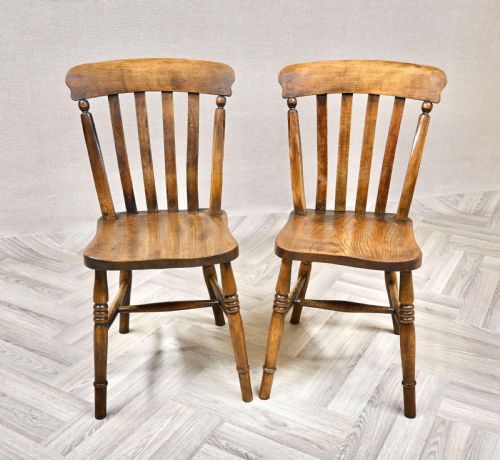
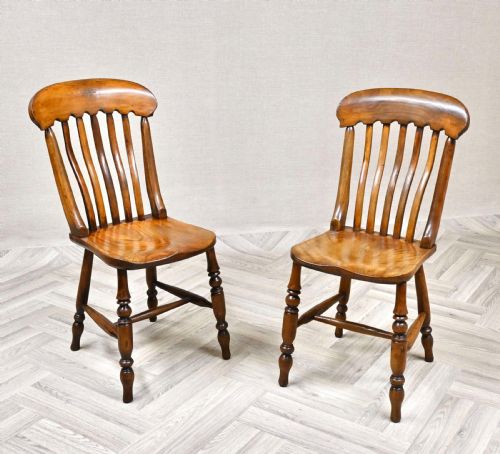
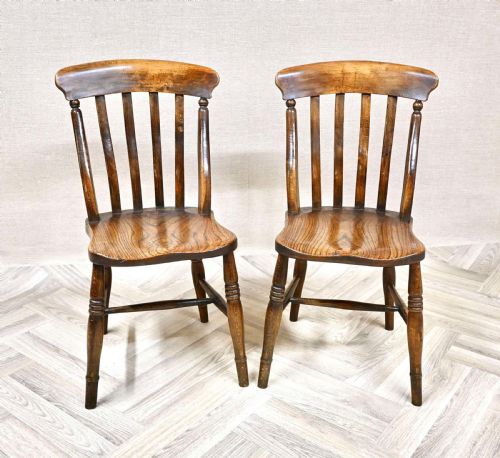
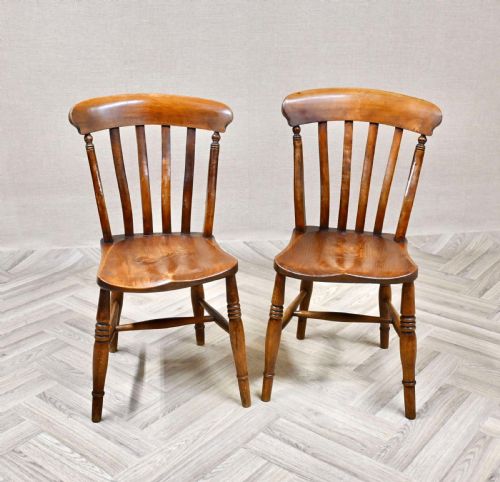
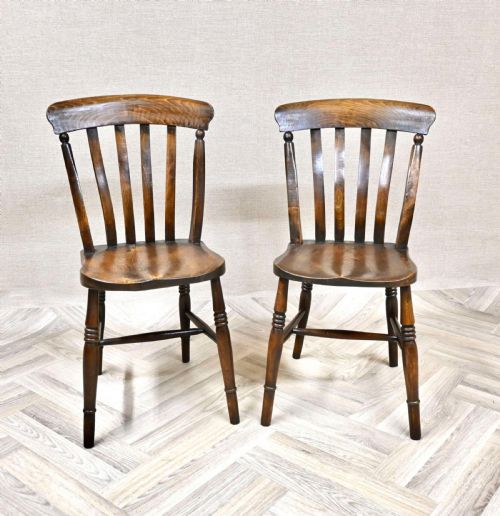
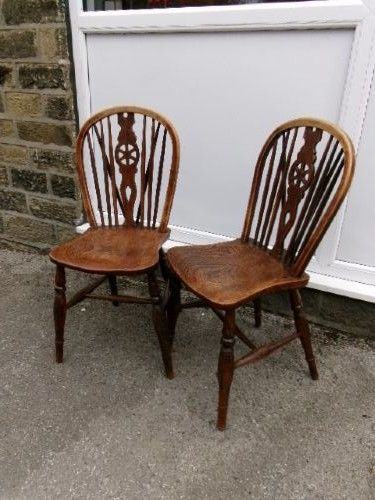
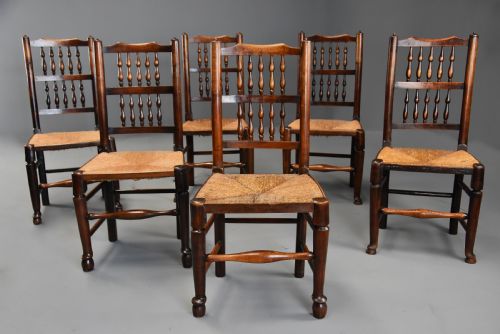
The selection ranges from vernacular country designs to specific regional forms such as Windsor chairs. Common variations include wheel backs, lath backs, hoop and stick backs, and spindle backs.
Makers constructed these seats for utility, leading to practical forms that combined elm with supporting timbers like beech and ash. They appear here as matched sets, harlequin collections, pairs, and individual armchairs.
How they were made
Craftsmen utilised elm primarily for the thick, sculpted seats because its interlocking grain resisted splitting under heavy use. They turned slender ash and beech components on lathes for spindles, legs, and stretchers.
Makers shaped the hooped backs by steaming timber until pliable and bending it into curved supports. Traditional joinery relied on wedged tenons passing directly through the solid wooden seat plank.
Materials recorded across the inventory include elm, beech, ash, oak, yew, rush, hardwood, and pine.
What varies in quality
Quality rests upon the depth of the patination and the integrity of the timber. Chairs retaining their original surface finish and well-worn grain display superior character.
The structural harmony of the turned underframe and the tightness of the leg joints dictate the durability of the piece. Matching sets with consistent turning details command greater interest than assembled harlequin groups.
The Brown Elm Kitchen Chairs Glossary
- Windsor chair
- A wooden chair built with a heavy solid timber seat into which the legs and back spindles are separately bored and wedged. This traditional construction method provides notable stability.
- Lathback
- A chair back featuring flat horizontal wooden slats or laths set between the crest rail and the seat. This design offers robust support.
- Wheelback
- A Windsor chair variation featuring a pierced wooden splat carved in the shape of a cartwheel. It represents a decorative refinement popular in nineteenth-century country seating.
- Crinoline stretcher
- A curved underframe reinforcement shaped like a hoop that connects the legs of a Windsor chair. It adds rigidity to the lower structure.
- Harlequin set
- A collection of dining chairs that match in general style and period but vary slightly in minor details. Such sets formed naturally as owners gathered chairs over time.
Brown Elm Kitchen Chairs: Frequently Asked Questions
How do I care for antique elm chairs?
Keep the wood nourished by applying traditional beeswax periodically to maintain the surface sheen and prevent the grain from drying out.
Position the chairs away from direct heat sources and sudden temperature fluctuations to avoid timber movement.
Are these chairs suitable for daily dining?
These robust country chairs were originally built for heavy kitchen use, making them well-suited for everyday seating around a dining table.
Ensure that the joints remain tight and secure before putting them into regular service.
How can I date an elm kitchen chair?
Examine the construction marks, tool traces beneath the seat, and the wear patterns on the foot ring or stretchers to gauge age.
Early nineteenth-century examples often display deeper patination and thicker plank seats compared to later twentieth-century utility versions.
What is the difference between a wheel back and a lath back?
A wheel back incorporates a pierced wooden splat resembling a spoked wheel in the centre of the backrest.
A lath back utilises flat wooden slats running horizontally across the upper frame instead of a central splat.