


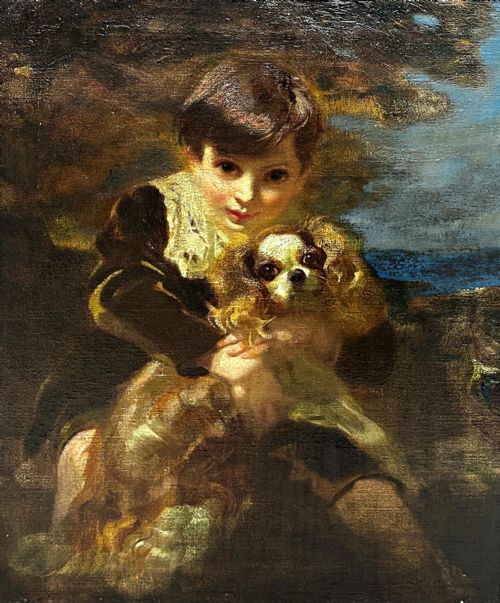


Brown Dress Oil Painting
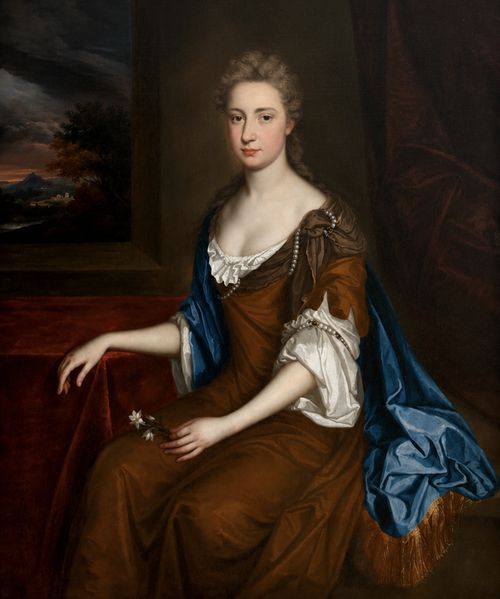
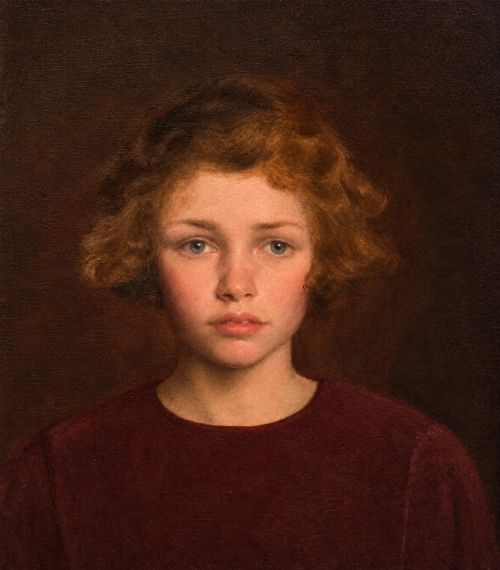
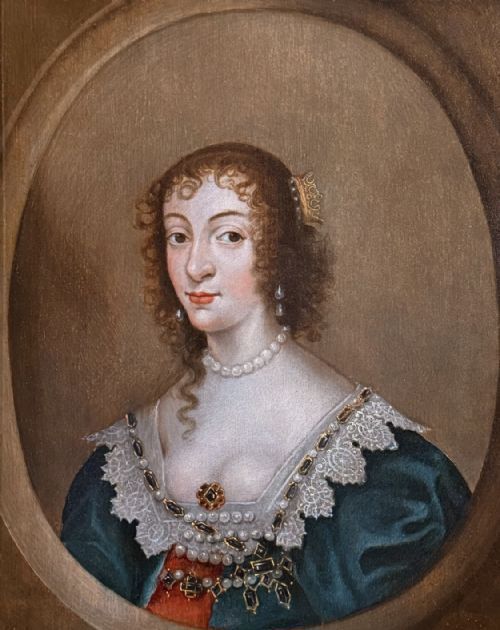
A brown dress oil painting captures historical sitters in rich, dark attire, offering a direct window into past portraiture traditions.
Brown Dress Oil Painting
A brown dress oil painting is fundamentally a portrait, depicting sitters ranging from royalty and aristocracy to family members and figures in theatrical or military dress. These works span centuries of painting practice, recording shifts in clothing styles from seventeenth-century silks to nineteenth-century tailoring.
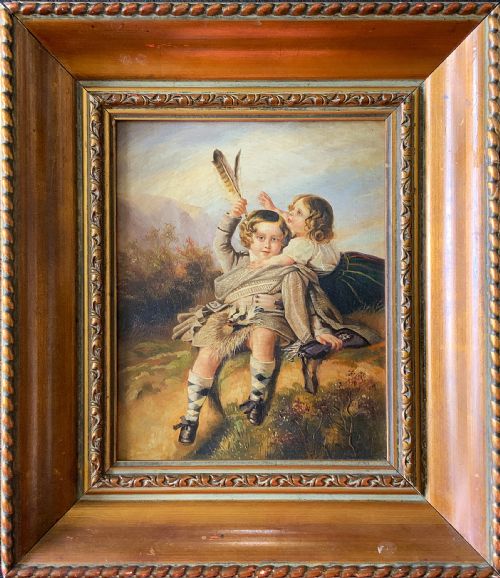
The versions most frequently met on this page date from the eighteenth and nineteenth centuries, executed in oil on canvas or wood panel. Many survive within period frames, such as giltwood or stepped oak constructions that often bear historical inscriptions or presentation plaques.
Canvas, Panel, and Pigment
These works are built upon woven canvas supports or rigid wood panels, prepared with grounds that received layers of oil paint. Artists utilised the translucent qualities of oil paint to build deep tones, particularly in dark garments and shadowed backgrounds.
Framing is an integral part of the physical object, utilising carved giltwood or timber mouldings that protect the edges of the canvas or panel while completing the visual presentation of the portrait.
The listings span multiple centuries, utilising canvas and wood panel supports framed in giltwood and oak.
Execution and Presence
The distinction between standard works and exceptional examples lies in the precision of brushwork and the psychological depth of the sitter. Skilled portraitists handle textiles, lace, and the subtle sheen of a brown dress with confidence, whereas lesser hands produce stiff and flat representations.
Provenance and documentation elevate a piece significantly. Paintings that retain clear attribution to a named artist, or carry inscriptions identifying the sitter and historical context, offer greater historical value than anonymous works.
Frank Owen Salisbury·Kershaw Schofield·John Irvine·Francis Alleyne·John Raphael Smith
The Brown Dress Oil Painting Glossary
- Oil on canvas
- A painting technique where pigment suspended in drying oil is applied to stretched woven fabric. This method became the dominant support medium for European portraiture from the sixteenth century onward.
- Wood panel
- A rigid support constructed from timber boards upon which artists painted directly. Panels are more commonly found in earlier works before canvas gained widespread use.
- Giltwood
- Timber carved and coated with a thin layer of gold leaf or gold powder. It forms the decorative surface of many traditional picture frames.
- Portraiture
- The representation of a particular person, capturing likeness, personality, and social status. In earlier centuries, clothing such as a brown dress signified the sitter's wealth or occupation.
- Provenance
- The documented history of a painting's ownership and exhibition record. A traced provenance helps confirm the authenticity and age of the artwork.
Brown Dress Oil Painting: Frequently Asked Questions
What periods do these paintings cover?
The available selection spans several centuries, including seventeenth, eighteenth, and nineteenth-century examples alongside early twentieth-century works.
Earlier pieces often reflect Baroque or Georgian sensibilities, while later works demonstrate Victorian or Edwardian portrait traditions.
How do I identify the sitter?
Many portraits include inscriptions on the canvas, stretcher bars, or attached plaques detailing names and dates. Some sitters are identified through historical records, family archives, or the specific costume they wear.
Anonymous portraits remain common, where dress style and hair fashion offer the primary clues to dating.
Are original frames included?
Numerous paintings retain their original or period-appropriate frames, such as carved giltwood or stepped oak surrounds. These frames frequently show historical wear that matches the age of the canvas.
Some frames incorporate plaques recording significant dates, commemorations, or the identity of the sitter.
How should I care for an oil painting?
Oil paintings require stable indoor environments away from direct sunlight, high humidity, and extreme temperature fluctuations. The canvas or panel should remain undisturbed in its frame.
Dusting should be done gently with a soft, dry brush by someone experienced with antique artworks.