


Brown Dog Painting
Brown dog painting captures the distinct character and spirit of hounds, gundogs and terriers through centuries of traditional portraiture.
Brown Dog Painting
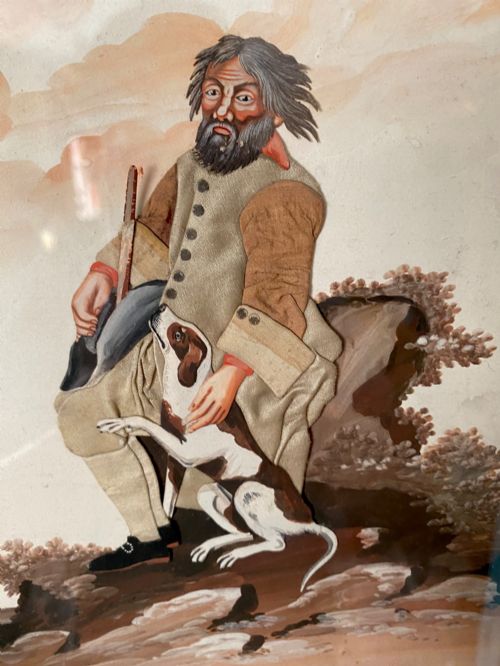
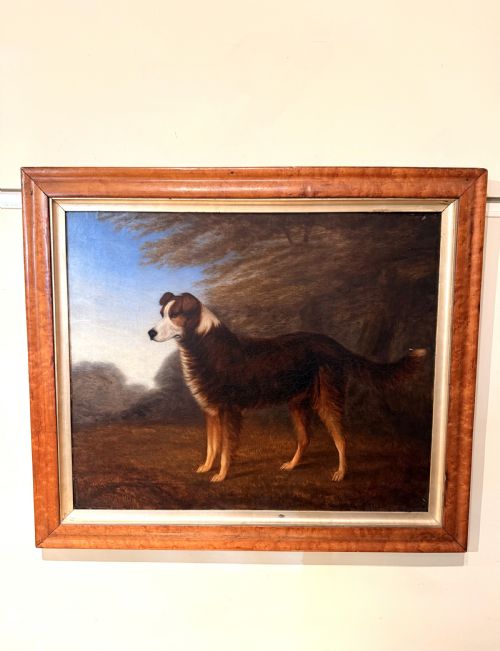
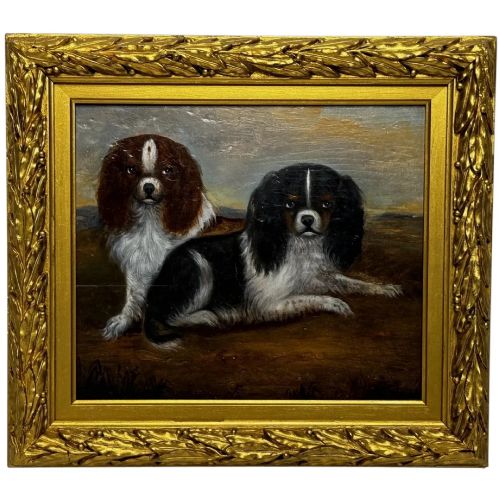
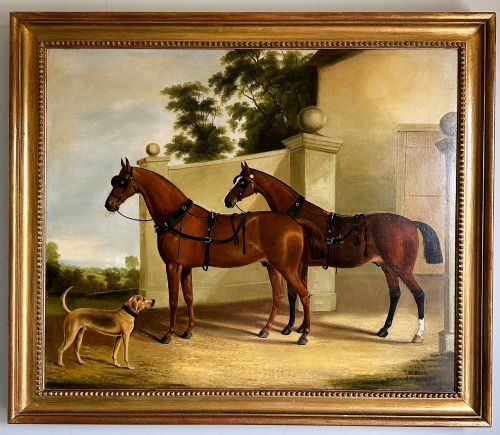
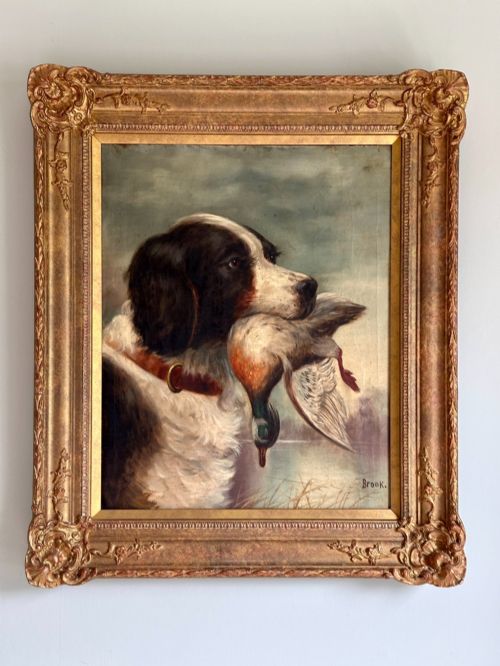
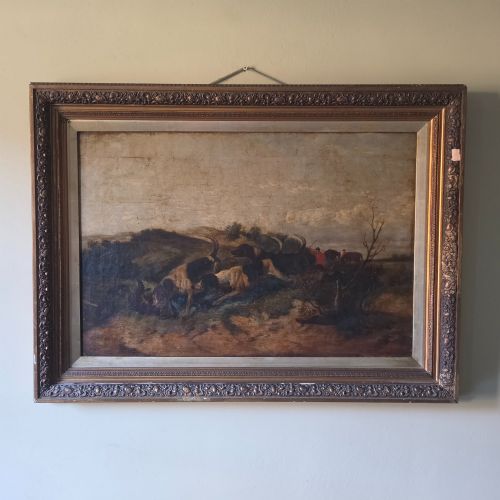
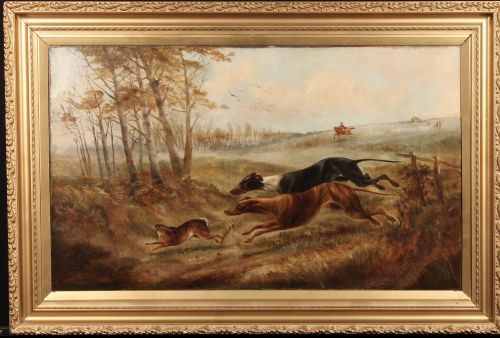
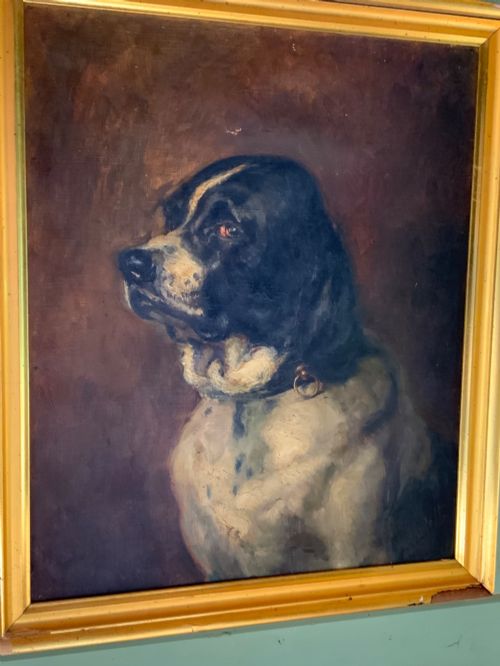
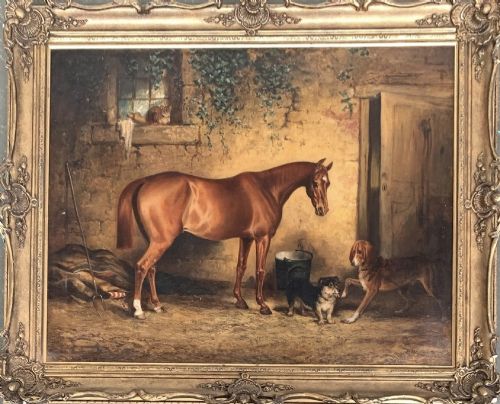
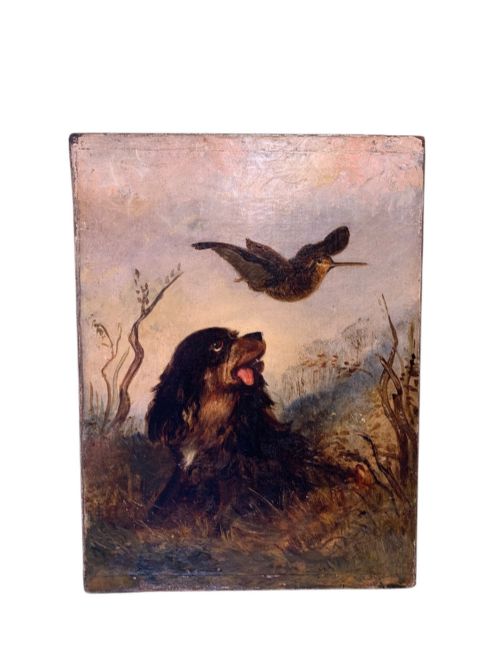
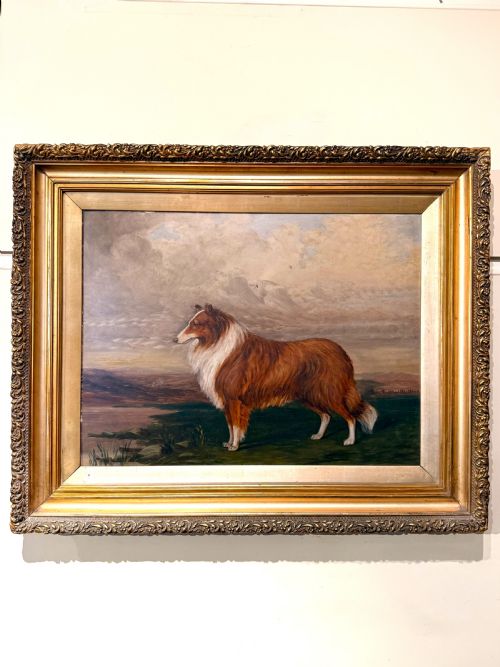
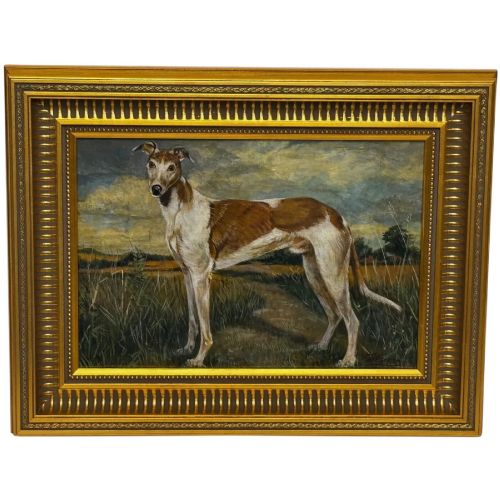
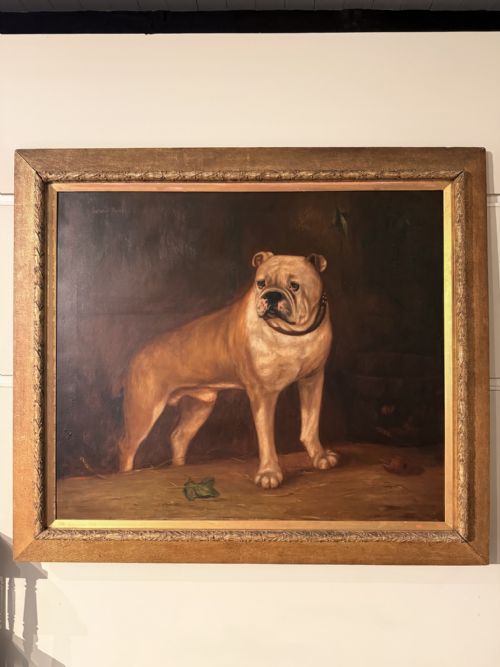
A brown dog painting brings together canine portraiture and sporting art from the nineteenth and twentieth centuries. These works record specific animals, from spaniels and terriers to retrievers and hounds, often set within rural landscapes or domestic interiors.
The selection on this page relies heavily on oil paintings on canvas and board, accompanied by watercolours, pastels and sculptural forms in terracotta and bronze. Victorian sporting works and early twentieth-century British and continental pieces dominate the selection.
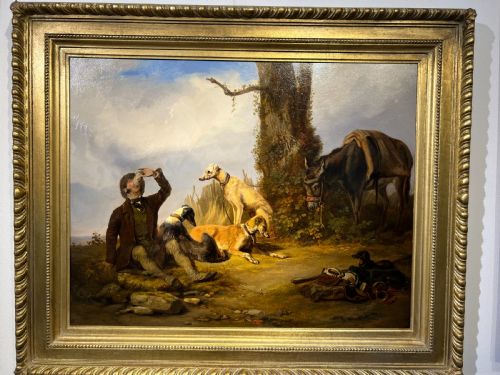
Buyers encounter individual animal studies alongside larger narrative scenes involving hunts and working dogs. Each piece reflects the historic bond between humans and working or companion animals through varied regional lenses.
Materials and Techniques
Oil paint applied to canvas or wood panel forms the primary medium for these portraits, allowing artists to build rich textures in fur and fabric. Gilt and gold leaf often frame these works, adding visual weight to the presentation.
Watercolour and pastel on paper under glass offer a lighter touch, frequently utilised for intimate terrier and hound studies. Sculptural pieces employ cold-painted bronze and terracotta, capturing the form of the animal in three dimensions.
Brown Dog Painting Retail Price Guide 2026
Typical asking prices for brown dog painting among the pieces listed under this phrase on Sellingantiques today, from the lower quarter to the upper quarter. They describe what is for sale here now, not the wider market.
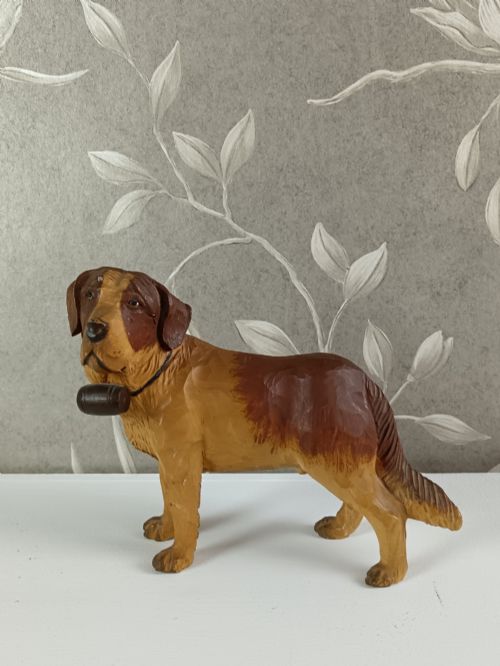
Terracotta pugs and St Bernards wait patiently on these shelves, guarding the room without needing a single walk.
Assessing the Pieces
Anatomical accuracy and the rendering of the animal's expression mark the distinction between standard decorative works and master portraits. Skilled hands capture the individuality of the gaze and the texture of the coat with precision.
The quality of the surrounding frame, often original gilt wood, contributes significantly to the integrity of the piece. Provenance and attribution to documented painters further elevate the standing of an individual artwork.
Henry Barraud·Valentine T Garland·Sir Edwin Henry Landseer·Franz Bergman·John Emms·Samuel Raven·George E Sharpe
The Brown Dog Painting Glossary
- Oil on canvas
- Pigment suspended in drying oil applied to stretched woven fabric. This medium allows for deep colour saturation and gradual blending.
- Gilt frame
- A wooden moulding coated with gold leaf or metallic paint. These surrounds protect the edges of the canvas and complement the tones of the painting.
- Sporting art
- Depictions of rural sports, horses and dogs associated with hunting and shooting. These works record the landscape and animals of the British countryside.
- Cold-painted bronze
- Metal sculpture finished with paint applied without heat firing. This technique preserves fine surface detail on small animal figures.
- Terracotta
- Fired unglazed clay of a brownish-red hue. Sculptors utilise this material for modeled animal figures and busts.
Brown Dog Painting: Frequently Asked Questions
How do I identify the breed in an antique dog painting?
Artists often recorded specific working traits and physical proportions that distinguish spaniels, terriers and hounds of past eras. Comparing ear sets, coat textures and body shapes against historical breed standards helps clarify the subject.
Many nineteenth-century works focus on working dogs bred for distinct rural tasks, such as retrieving game or flushing out woodcock. These functional traits often appear more pronounced in older depictions than in modern kennel club standards.
Where were these dog paintings displayed originally?
Landowners and country gentlemen traditionally hung sporting art and animal portraits in libraries, dining rooms and halls. These spaces celebrated rural pursuits and prized working animals alongside family portraits.
Smaller watercolours and oil studies frequently found places in private bedrooms or studies. Their domestic scale made them suitable for intimate spaces within nineteenth-century homes.
How should I care for an oil painting on canvas?
Keep oil paintings away from direct sunlight and steady extremes of temperature and humidity to prevent cracking of the paint layer. Gentle dusting with a soft, dry brush maintains the surface without damaging the aged pigment.
Avoid using water or chemical cleaners on the canvas or the gilt frame. Professional conservators should handle any necessary cleaning or structural repairs to the support.
What is the difference between an oil painting and a watercolour?
Oil paintings utilise thick pigments on canvas or board that catch the light and develop a rich patina over time. Watercolours use translucent pigments on paper, requiring protection beneath glass to prevent moisture and light damage.
Oils generally offer deeper tonal ranges and bolder textures suited to large wall displays. Watercolours provide a delicate immediacy often favoured for intimate animal sketches.