

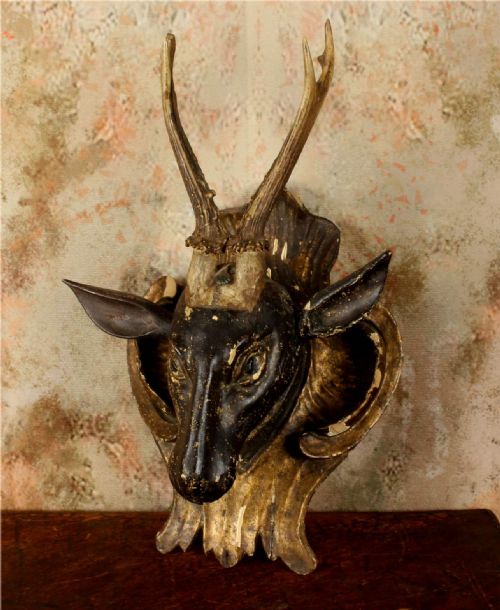
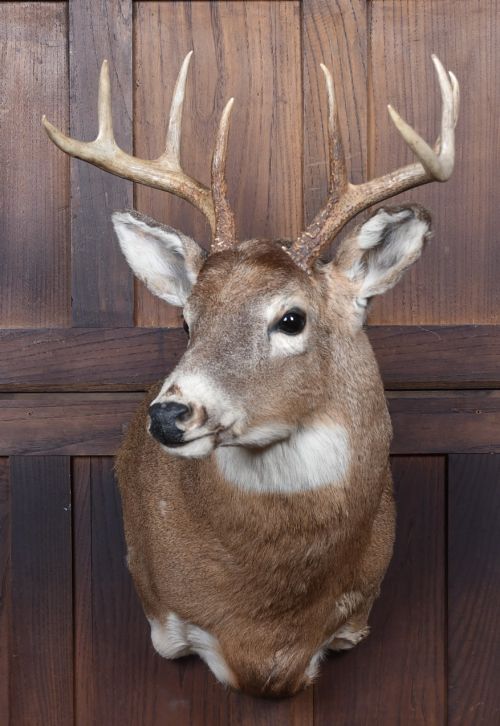
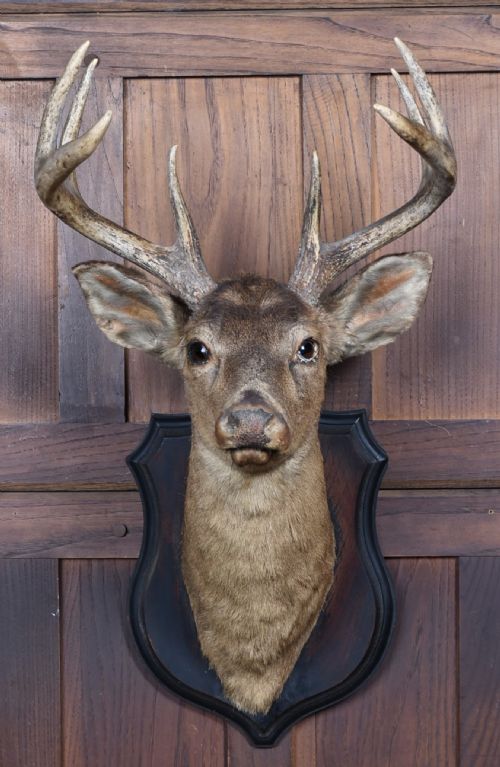

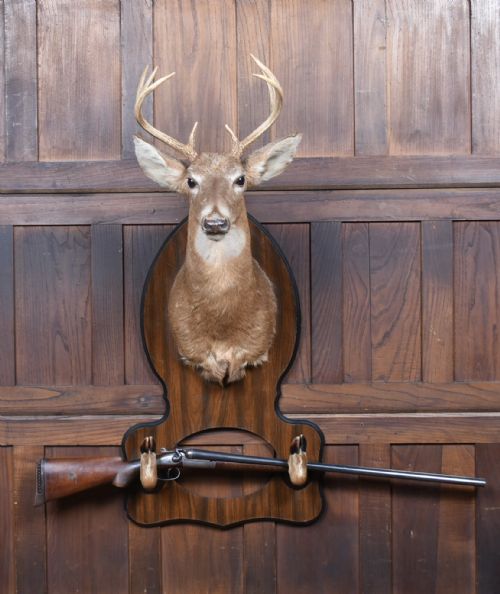


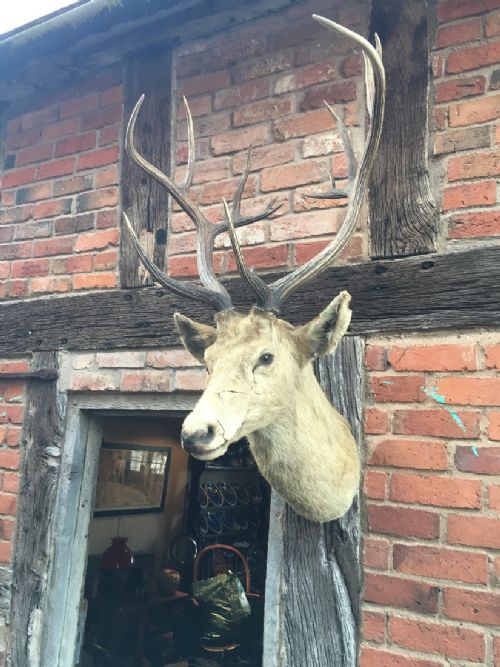


Brown Deer Taxidermy Mount
These brown deer taxidermy mount pieces bring the rugged character of the Scottish Highlands and Black Forest directly into your interior.
Brown Deer Taxidermy Mount
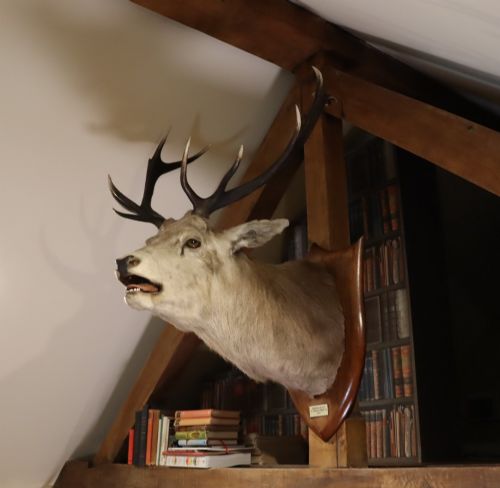
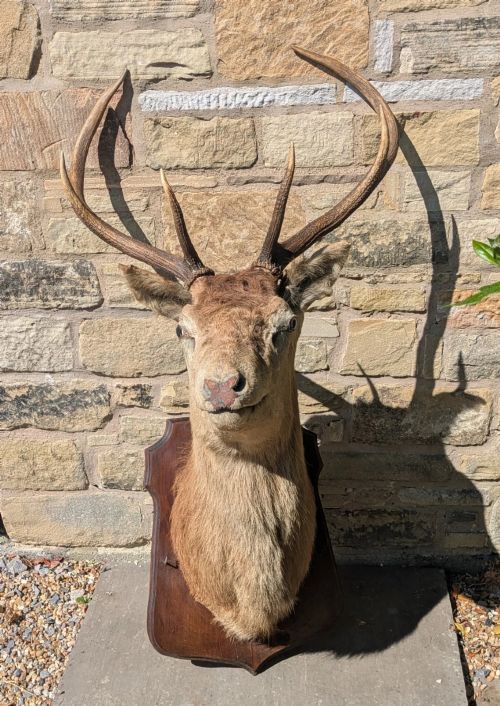
When you search for brown deer taxidermy mount, you encounter a striking array of wall sculptures, traditional heads, and antler trophies rooted in nineteenth and twentieth-century traditions. These pieces span Victorian, Edwardian, and Black Forest styles, capturing the enduring appeal of Highland hunting lodges and rural folk art.
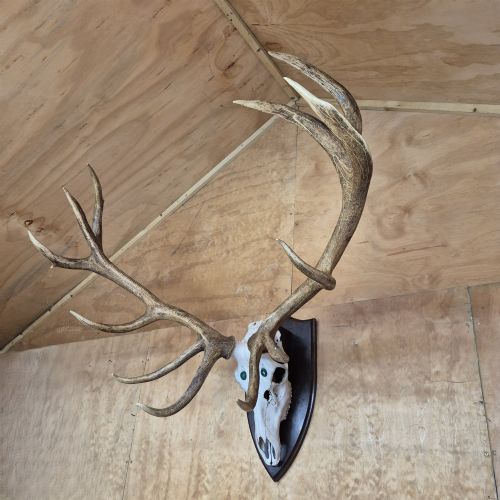
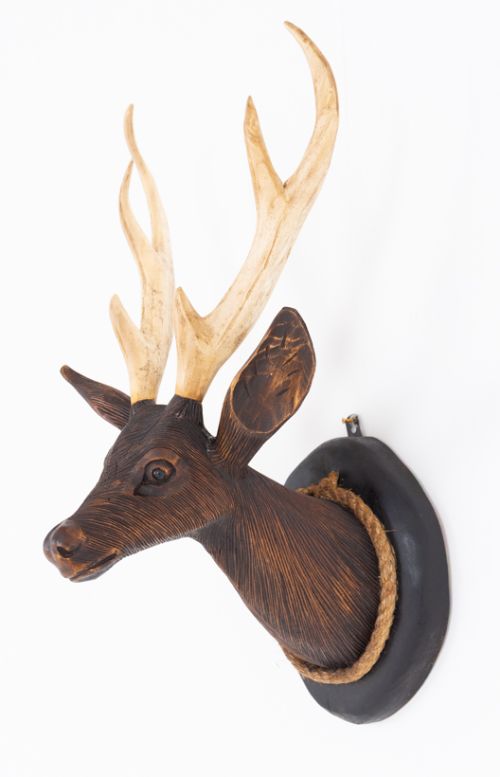
The selection ranges from large red stag heads with twelve-point antlers to roebuck mounts on carved oak shields and carved wooden interpretations. You will also find functional domestic items like coat racks, gun racks, and table lamps incorporating natural antlers and hooves.
Originating from periods between the early nineteenth century and the 1930s, these mounts reflect diverse European crafting traditions. Whether mounted on wooden shields or presented as standalone skulls, each piece preserves a distinct fragment of wildlife history.
How they were made
Taxidermists and artisans of the nineteenth and early twentieth centuries combined natural hide, bone, and real antlers with carved wooden structural elements like oak shields. Skulls and antlers were securely fixed to carved wooden backings, frequently embellished with foliate or regional motifs.
Carpenters shaped solid oak and other woods to create supportive shields, coat racks, and table lamps that anchored the heavy natural trophies. Carvers also produced entire wooden sculptures, shaping timber to mimic the contours of stags and deer in folk art and Black Forest traditions.
Brown Deer Taxidermy Mount Retail Price Guide 2026
Typical asking prices for brown deer taxidermy mount among the pieces listed under this phrase on Sellingantiques today, from the lower quarter to the upper quarter. They describe what is for sale here now, not the wider market.
Deer hooves found a second life indoors as quirky table lamps, proving that nineteenth-century households appreciated illumination with a distinctly rustic kick.
What varies in quality
The quality of a brown deer taxidermy mount depends on the natural symmetry and scale of the antlers, alongside the skill of the taxidermist or wood carver. Well-proportioned stags with strong point counts, such as twelve-point sets, command attention through their imposing physical presence.
The execution of the mounting board also dictates the overall standard, distinguishing simple utilitarian backing from deeply carved oak shields or intricate Black Forest woodwork. Preservation of the hide and the natural integrity of the bone structure separate ordinary specimens from truly remarkable decorative objects.
The Brown Deer Taxidermy Mount Glossary
- Taxidermy
- The art of preserving and mounting animal skins to replicate lifelike form. Historic pieces utilise traditional stuffing and mounting techniques onto wooden foundations.
- Black Forest Style
- A nineteenth-century carving tradition originating in Switzerland and Germany. Artisans carved intricate, realistic forest fauna and foliage into solid wood.
- Folk Art
- Utilitarian or decorative objects created by traditional craftsmen rather than professional academic studios. These pieces often feature charmingly idiosyncratic interpretations of deer and antlers.
- Shield
- The carved wooden plaque or backplate upon which animal heads and antlers are mounted for wall display. Oak was a favoured material for these structural supports.
- Monarch
- A colloquial term for a mature stag possessing a large, impressive set of antlers with twelve or more points. Such specimens represent the pinnacle of traditional hunting trophies.
Brown Deer Taxidermy Mount: Frequently Asked Questions
How should I clean my taxidermy mount?
Dust the hair and antlers gently using a soft, dry brush or a feather duster on a regular basis. Avoid using water, household detergents, or chemical cleaning sprays on historic hides and taxidermy.
Keeping the mount out of direct sunlight prevents the natural brown hide and fur from fading or drying out prematurely.
What is a Black Forest deer mount?
Black Forest pieces are characterised by deeply carved wooden mounts and realistic depictions of wildlife produced in Central Europe during the nineteenth century. These items often feature natural antlers attached to intricately hand-carved wooden skulls or decorative oak foliage.
They reflect a distinct aesthetic that bridges natural history specimens and fine decorative woodcarving.
How do I date an antique deer mount?
Examine the mounting materials, the style of the wooden shield, and the taxidermy techniques used on the back of the piece. Nineteenth-century examples often feature hand-cut wooden backing boards, iron fixings, and traditional hide preparation methods.
Changes in styling from Victorian rustic designs through to 1930s craftsmanship also help establish the approximate age of the object.