
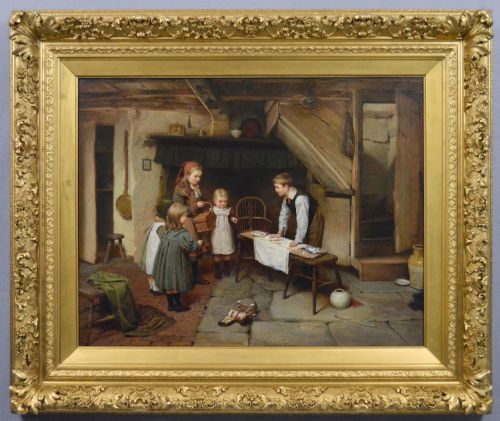


Brown Cottage Painting
A brown cottage painting captures the quiet charm of rural life through the hands of skilled artists.
Brown Cottage Painting
A brown cottage painting brings domestic rural scenes and rustic dwellings into focus. These works range across the nineteenth century, the Edwardian era, and into the mid-twentieth century.
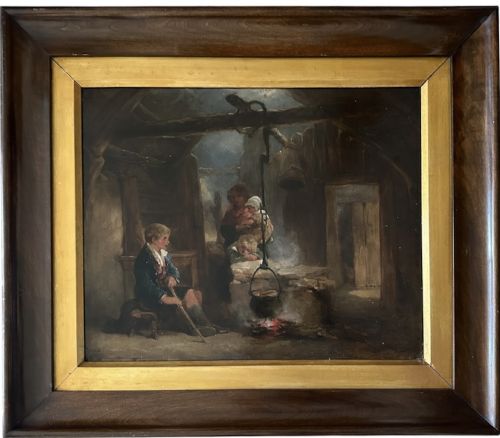
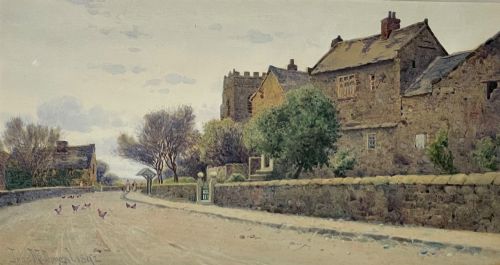
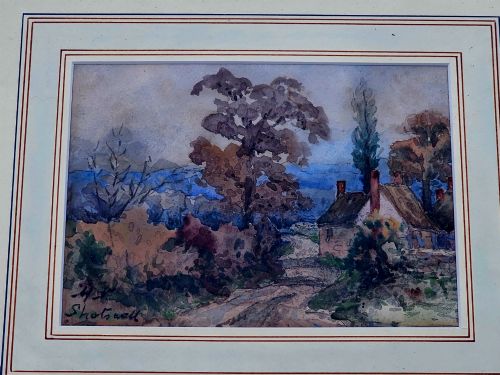
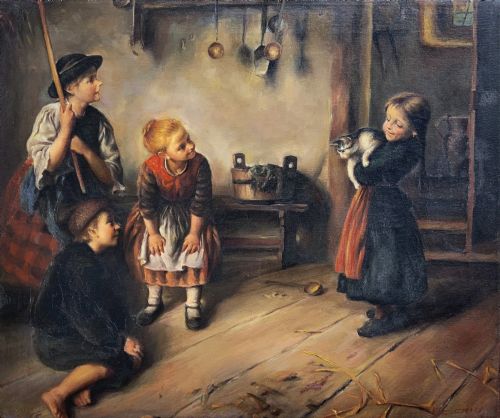
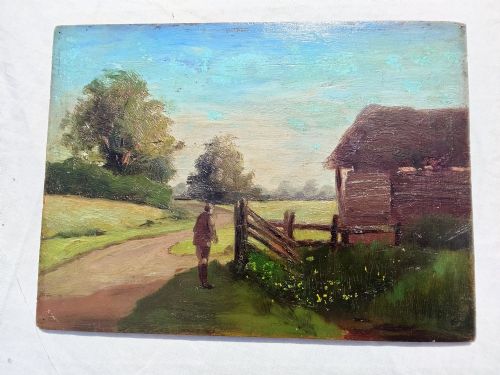
Buyers encounter oil paintings on canvas and wooden boards alongside detailed watercolours. Many compositions depict rural cottages, village landscapes, and intimate family scenes by the hearth.
The selection includes British and European views, from English rivers to Scottish crofts and Sussex waterways. These pieces preserve historical depictions of rural architecture and daily country existence.
How They Were Made
Artists worked primarily with oil paint or watercolour pigment upon prepared canvases, wooden panels, or heavy paper supports. Oil mediums allowed for rich layering and deep tonal contrast, while watercolours offered transparent fluidity.
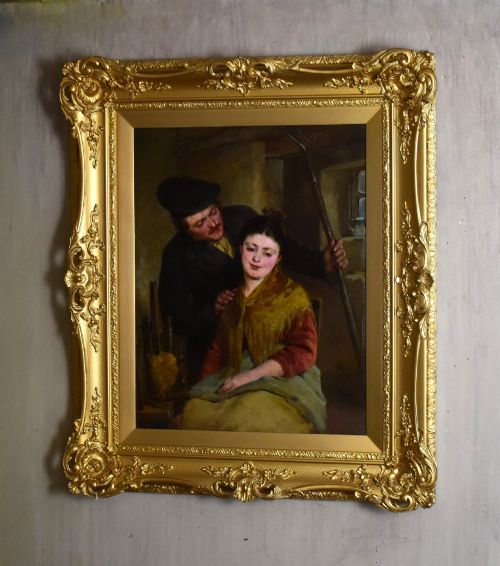
Brushwork varied from tight, realistic detail in Victorian genre scenes to looser applications found in later impressionist watercolours. Pigments were applied to capture natural light filtering into cottage interiors or across rural landscapes.
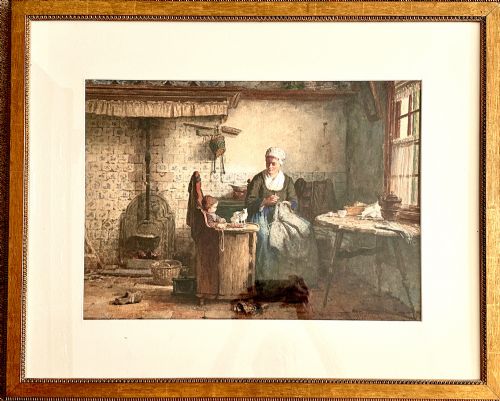
Several cottages recorded in these watercolours have survived centuries of weather, though the streams beside them now run past modern tarmac.
What Varies in Quality
The distinction between standard works and superior examples rests upon the artist's handling of light, atmosphere, and human expression within the cottage setting. Masterful pieces convey narrative depth and genuine texture in masonry, thatch, and foliage.
Compositional balance and the preservation of the original pigment surface dictate the standing of a piece. Works by documented painters with established exhibition histories command greater attention than anonymous studio output.
John McDougal·Howard Helmick·Harry Brooker·John Horace Hooper·Fred Lawson·William Greaves·Robert Finley McIntyre·Helena Maguire·Ralph Hedley·Harry Sylvester Stannard·Henry Charles Fox·Henry Spernon Tozer·Robert Hollands Walker·Henry Singleton·Pauline Delacroix Garnier·Yeend King·James Hughes Clayton·Charles Edward Wilson
The Brown Cottage Painting Glossary
- Genre painting
- Depiction of aspects of everyday life by depicting ordinary people engaged in common activities. These scenes often feature cottage interiors or rural doorsteps.
- Watercolour pigment
- Fine ground colour mixed with water-soluble binder, used on paper to achieve translucent washes. It allows artists to build delicate atmospheric effects.
- Chiaroscuro
- The use of strong contrasts between light and dark to give a sense of volume to figures and interiors. This technique emphasises the warmth of a cottage hearth.
- Impressionism
- A style of painting that focuses on the visual impression of the moment, especially the shifting effects of light and colour. Works in this style prioritize loose brushwork over rigid line.
Brown Cottage Painting: Frequently Asked Questions
What periods do these paintings come from?
The works span from the Georgian era through the Victorian period and into the mid-twentieth century. Most examples date from the nineteenth and early twentieth centuries.
This timeframe encompasses shifts from traditional realism towards early impressionistic techniques in British and European art.
How should I hang a watercolour painting?
Watercolours require careful placement away from direct sunlight to prevent the pigments from fading over time. UV-protective glass and professional framing help preserve the paper support.
Keep them in rooms with stable humidity to protect the paper and the surrounding mount from moisture damage.
Who are the typical artists behind these works?
Many pieces are signed by recognised regional and academic painters of the nineteenth and twentieth centuries. These artists often exhibited their rural landscapes and domestic genre scenes widely.
Other works remain anonymous or bear indistinct signatures from various European schools.