


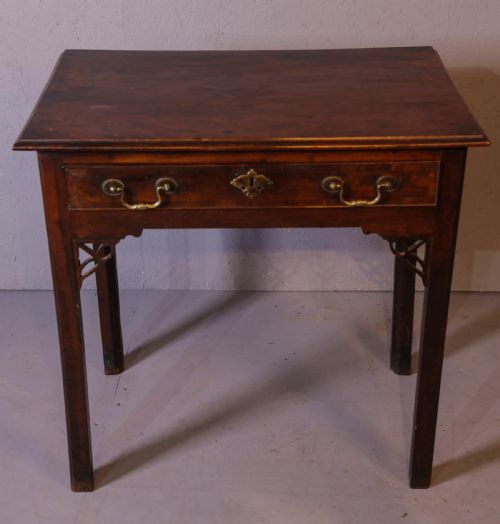


Brown Corner Desk
A brown corner desk offers a clever way to utilise awkward spaces, combining practical writing surfaces with historic timber.
Brown Corner Desk
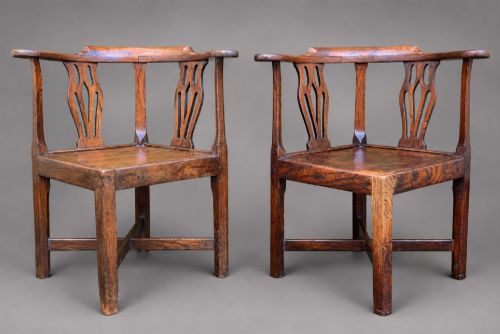
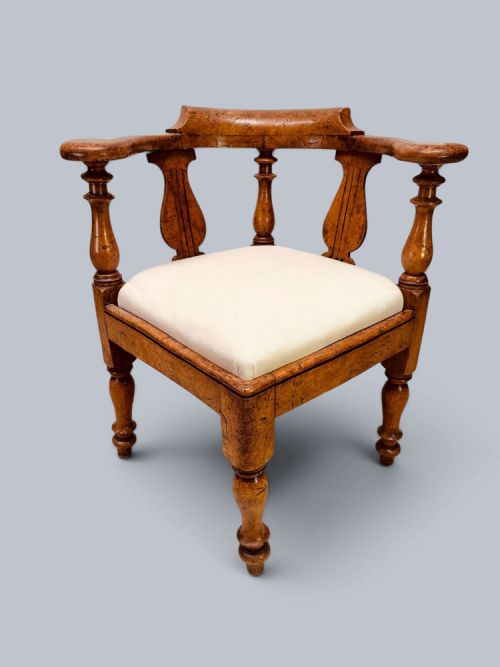
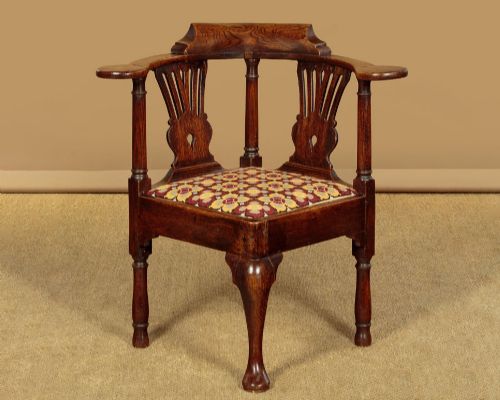
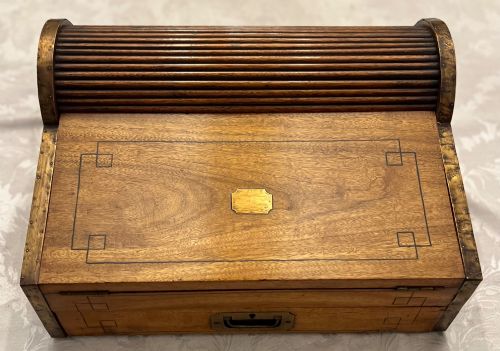
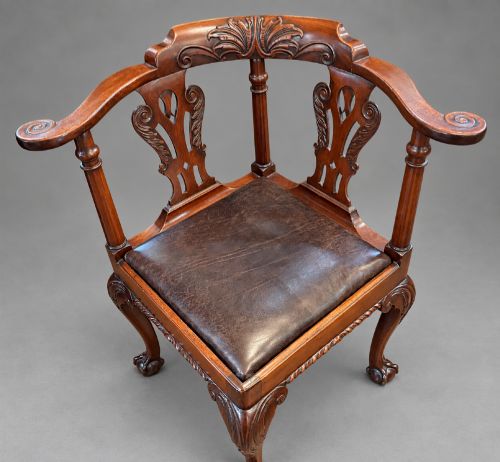
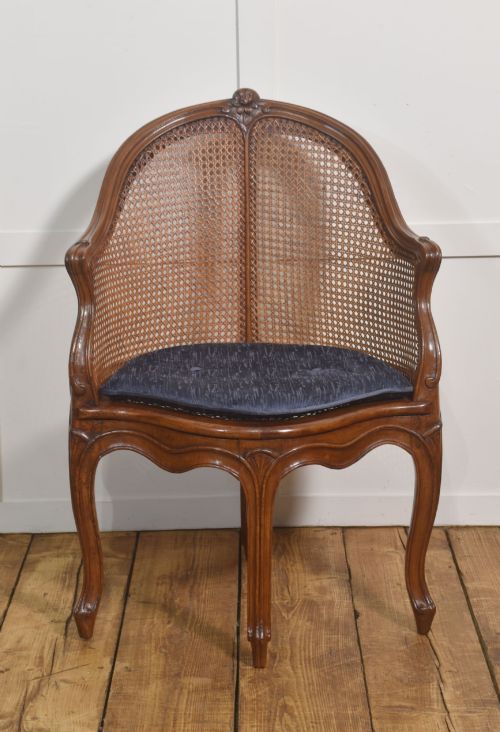
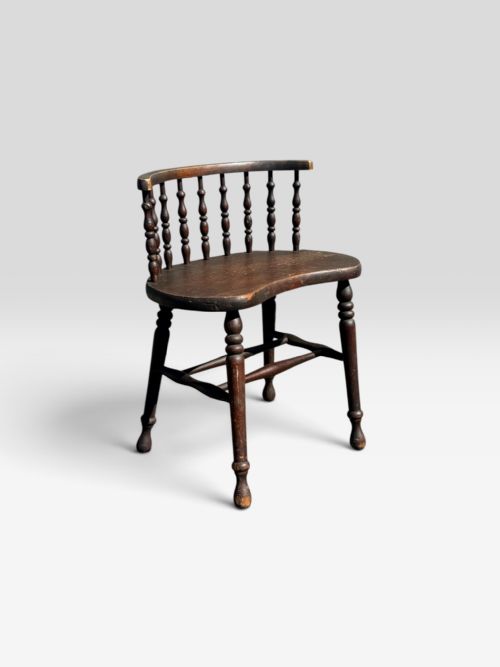
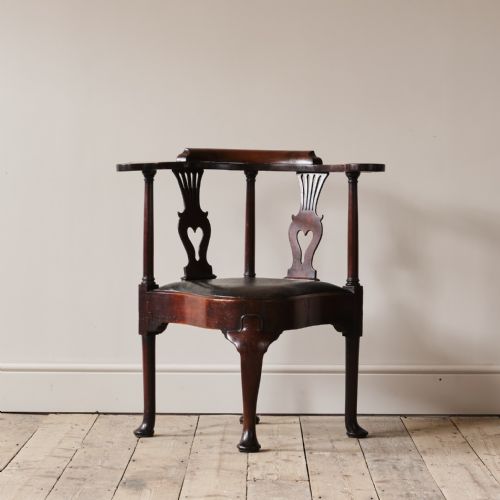
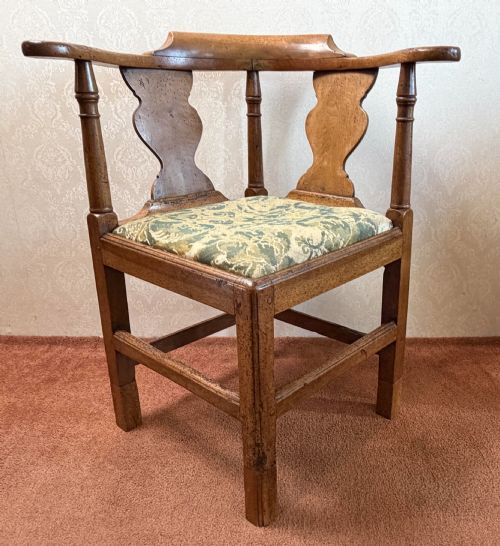
When searching for a brown corner desk, you encounter various seating and writing forms designed to fit room angles, though the listings here actually comprise corner chairs, writing boxes, campaign desks, and side tables rather than traditional fitted corner desks. These pieces span periods from the early eighteenth century through the Edwardian era, reflecting historical shifts in domestic workspaces.
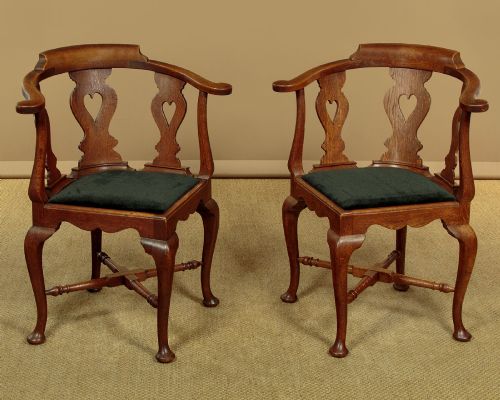
The most common forms you meet on this page are eighteenth-century and nineteenth-century corner chairs, often engineered for writing or reading, alongside campaign desks and writing slopes in mahogany and oak. Many incorporate curved backs and specific corner designs intended to slot neatly into domestic interiors.
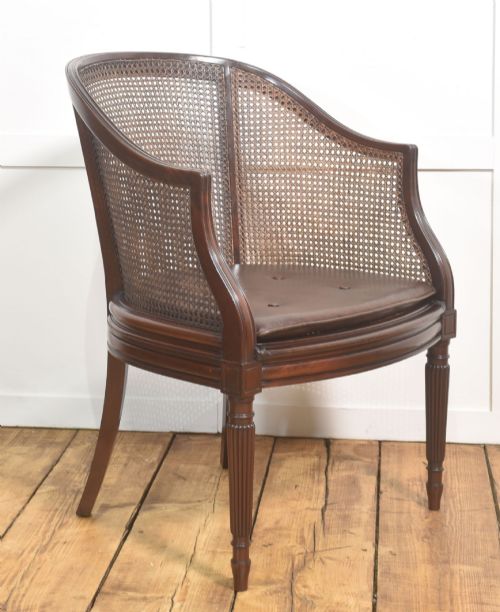
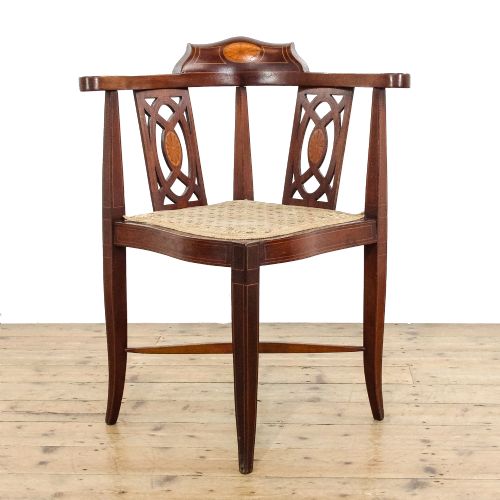
Makers and craftsmen utilised regional timbers such as oak, walnut, and fruitwood to build these items, occasionally adding satinwood inlay or cane seating. Their survival demonstrates the enduring demand for furniture that respects room corners while providing a functional surface.
Assessing quality
Quality in these pieces rests primarily on the choice of timber and the crispness of the original carving or inlay. Finer examples display carefully selected wood grain, such as burr elm or figured walnut, rather than plain utility timber.
Structural integrity and the survival of original surface finishes dictate the standing of a piece within its period. Alterations, replaced legs, or modern hardware diminish the authenticity that collectors seek.
Brown Corner Desk Retail Price Guide 2026
Typical asking prices for brown corner desk among the pieces listed under this phrase on Sellingantiques today, from the lower quarter to the upper quarter. They describe what is for sale here now, not the wider market.
Listings feature periods from George I and Georgian up to Edwardian and Art Nouveau, constructed in mahogany, oak, walnut, and camphor.
Mappin And Webb
The Brown Corner Desk Glossary
- Campaign desk
- A portable desk designed for military officers, typically featuring brass binding, folding legs, and fitted interior compartments.
- Corner chair
- A chair designed with a diagonal orientation to fit into room angles, usually featuring a semicircular backrest supported by turned columns.
- Writing slope
- A portable box with a slanted lid that opens to reveal a velvet or leather writing surface and stationery storage.
- Satinwood
- A durable, yellowish timber native to India and Ceylon, frequently used for contrasting stringing and inlay on eighteenth and nineteenth-century furniture.
- Caning
- Woven rattan material used for chair seats and back panels, providing a lightweight and flexible support.
Brown Corner Desk: Frequently Asked Questions
How were corner chairs used?
These chairs served multiple domestic purposes, frequently positioned in room angles for reading, writing, or card games. Their horseshoe-shaped backs provided enclosing support while saving floor space.
Over time, owners also utilised them simply as accent seating in hallways and reception rooms. Their distinct geometry allowed them to occupy tight corners without obstructing pathways.
What is a campaign desk?
Campaign desks were built for travel, utilised by military officers on active service during the eighteenth and nineteenth centuries. They are constructed to dismantle or fold easily into robust wooden chests.
Brass corners and flush handles protected the timber from rough transport. This utilitarian engineering produced durable writing furniture that remains practical for modern homes.
How do I date an oak corner chair?
Dating relies on examining construction marks, timber choice, and the style of the turning on the legs and back supports. Eighteenth-century versions often feature pegged joints and solid regional oak.
Later Edwardian interpretations frequently display machine-cut elements and lighter inlaid decoration. Comparing the patination and wear patterns against known period styles clarifies the age.
Are these pieces suitable for daily use?
Most pieces handle everyday domestic tasks well if treated with reasonable care and protected from extreme humidity. Solid hardwood construction ensures lasting stability for writing and seating.
Leather surfaces and polished wood require simple maintenance to preserve their finish. Placing them out of direct sunlight prevents the timber from drying out.