


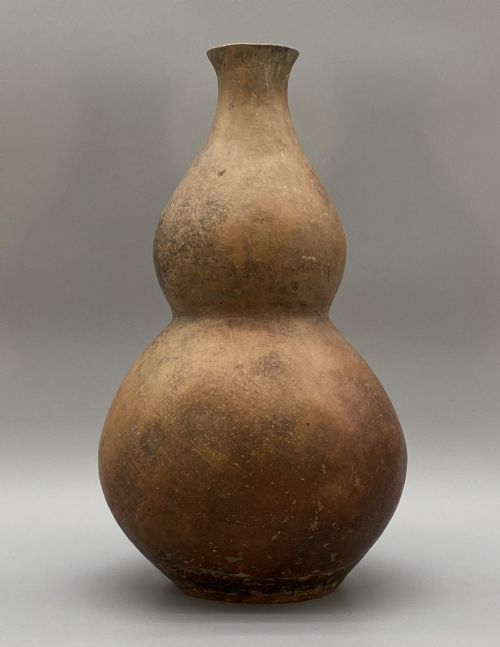


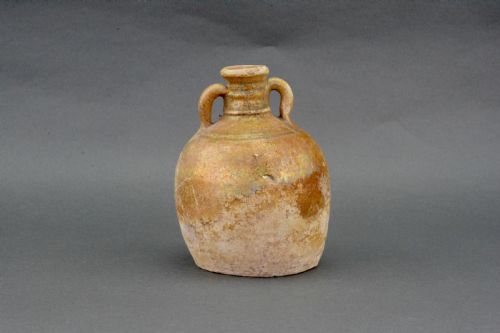

Brown Ceramic Jar
A brown ceramic jar brings centuries of utilitarian craftsmanship and earthy warmth into any room.
Brown Ceramic Jar
A brown ceramic jar encompasses functional vessels and storage pieces created across vast historical periods, ranging from ancient cultures to the Victorian era. When searching for a brown ceramic jar, collectors encounter everything from French walnut oil jars and salt-glazed vinegar barrels to large terracotta storage vessels and pottery amphorae.
The utility of these pieces spans centuries of domestic and agricultural use, including food preservation, wine storage, and apothecary supplies. Many survive as robust utilitarian items that once served in rural households, Mediterranean properties, or maritime trade.
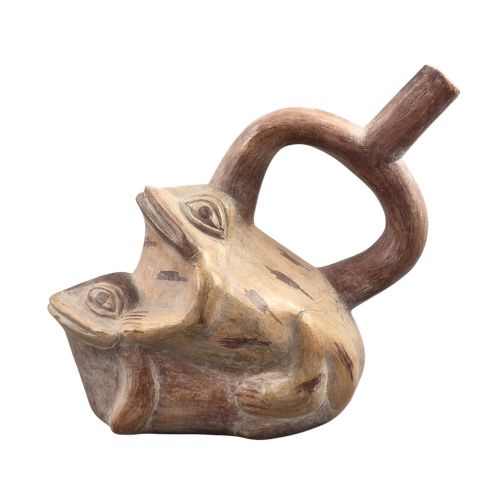
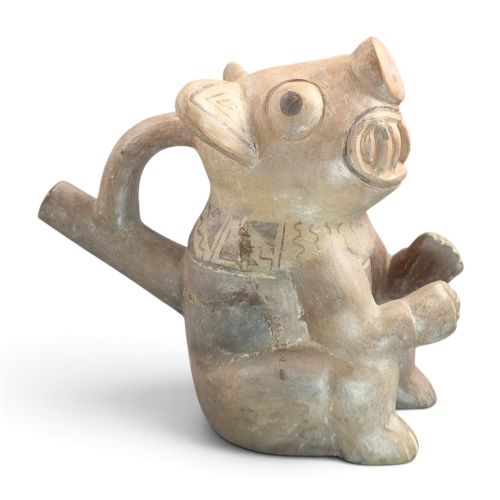
The selection ranges from pre-Columbian terracotta vessels and Neolithic Chinese forms to 19th-century British stoneware and earthenware pots. Buyers frequently find substantial oil jars, butter dishes, tobacco jars, and simple kitchen storage vessels shaped by practical necessity.
Materials and construction methods
Potters built these vessels using clay, terracotta, and earthenware, often shaping them on a wheel or by hand depending on the period and origin. Dense stoneware bodies provided the durability required for holding liquids, oils, and vinegars safely.
Glazes and slips completed the surface treatment, with salt glazing creating a characteristic textured finish on utilitarian barrels and jars. Pigments and natural mineral oxides produced the earthy brown tones seen across the eras, while enamel occasionally added decorative contrast.
Brown Ceramic Jar Retail Price Guide 2026
Typical asking prices for brown ceramic jar among the pieces listed under this phrase on Sellingantiques today, from the lower quarter to the upper quarter. They describe what is for sale here now, not the wider market.
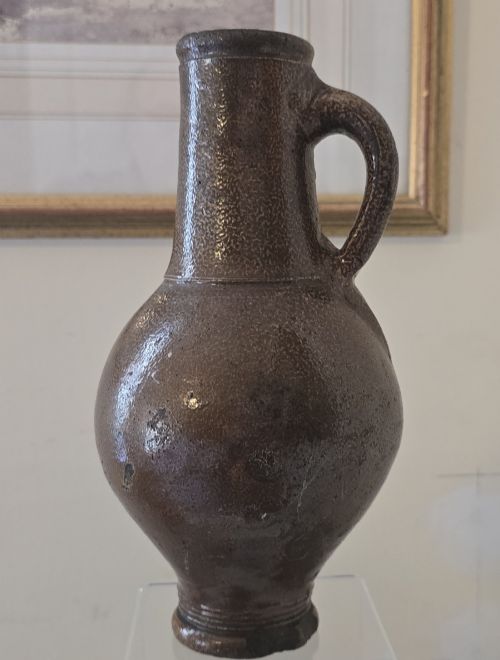
Several centuries ago, someone carefully packed a turtle soup jar for a tavern, unaware it would eventually become a prized antique.
Assessing quality and authenticity
Quality rests in the integrity of the form, the weight and thickness of the ceramic body, and the durability of the glaze or slip. Superior pieces show purposeful throwing and stable structural balance, even when bearing the marks of heavy agricultural or domestic use.
Royal Doulton·Devon pottery
The Brown Ceramic Jar Glossary
- Terracotta
- Fired unglazed earthenware of a brownish-red colour, commonly utilised for large Mediterranean storage vessels and ancient figures. This porous material allowed contents to stay cool in warm climates.
- Stoneware
- A sturdy, vitrified pottery type fired at high temperatures until impervious to liquids. It forms the backbone of durable industrial and domestic storage jars.
- Salt glaze
- A glassy, slightly textured coating formed by throwing common salt into the kiln during high-temperature firing. This chemical reaction creates an orange-peel texture on stoneware barrels and jugs.
- Amphora
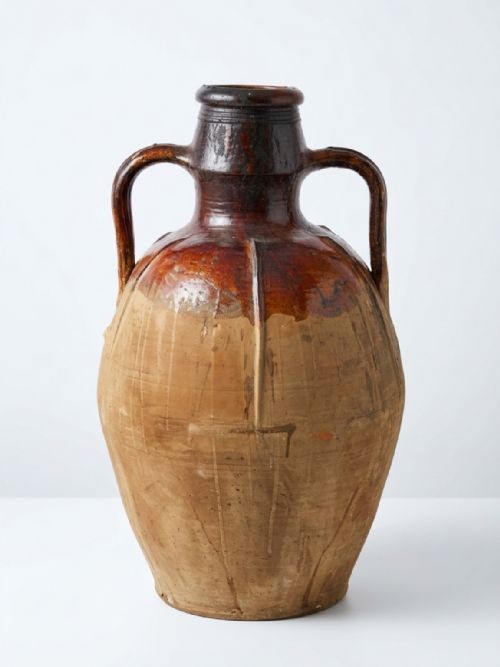
- A tall two-handled jar with a narrow neck, traditionally used for transporting and storing oil or wine in antiquity. These vessels reflect classical Mediterranean and trade forms.
- Slip
- A liquid mixture of clay and water applied to pottery before firing to smooth the surface or create decorative patterns. It often provides the warm brown background colour on utilitarian wares.
Brown Ceramic Jar: Frequently Asked Questions
How were antique brown ceramic jars used?
These vessels served essential domestic and commercial roles, primarily storing staple goods like oil, vinegar, butter, and wine. Households and merchants relied on their durability for daily food preservation and kitchen provisions.
Larger pots stood in courtyards or cellars for bulk storage, while smaller jars sat on pantry shelves or apothecary counters. Their dense walls protected contents from light and temperature fluctuations.
Are these ceramic jars waterproof?
Many stoneware and salt-glazed vessels are completely vitrified and hold liquids safely without seepage. Earthenware and terracotta pots, however, often remain porous unless thoroughly glazed on the interior.
Buyers intending to use antique jars for fresh cut flowers or liquids should check the interior surface treatment. Unglazed terracotta typically requires a liner to protect wooden surfaces from dampness.
How do I date an old ceramic jar?
Dating relies on examining the potting technique, clay composition, glaze characteristics, and any visible maker marks or stamps. Pre-industrial pieces often display uneven hand-throwing lines and simple mineral glazes.
Form also guides the timeline, as Neolithic, Roman, and 19th-century shapes follow distinct aesthetic and functional conventions. Comparing known datable examples helps narrow the period of origin.
How should I clean my antique jar?
Gentle dusting with a dry or slightly damp cloth preserves the surface patination and historic finishes of older ceramics. Avoid harsh chemical cleaners or abrasive scouring pads that might damage fragile glazes or porous terracotta.
Allow antique earthenware to dry completely after any cleaning to prevent trapped moisture within the clay body. Proper maintenance ensures the historic surface remains undisturbed over time.