
Brown Carved Hall Chair
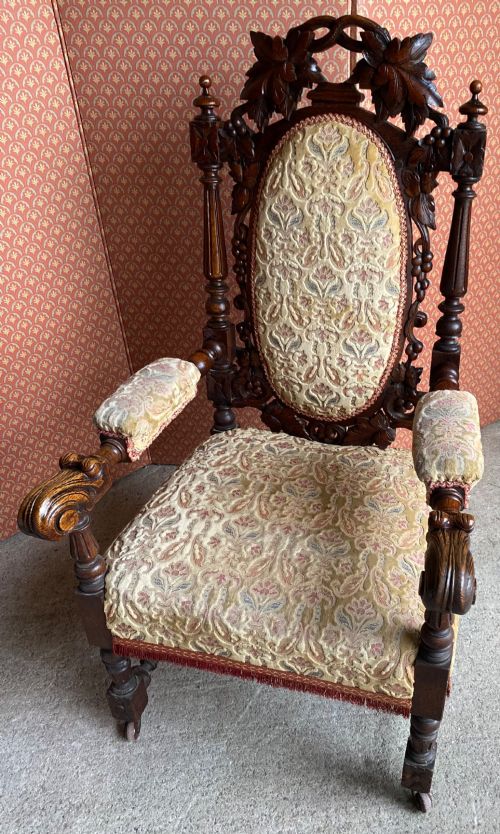
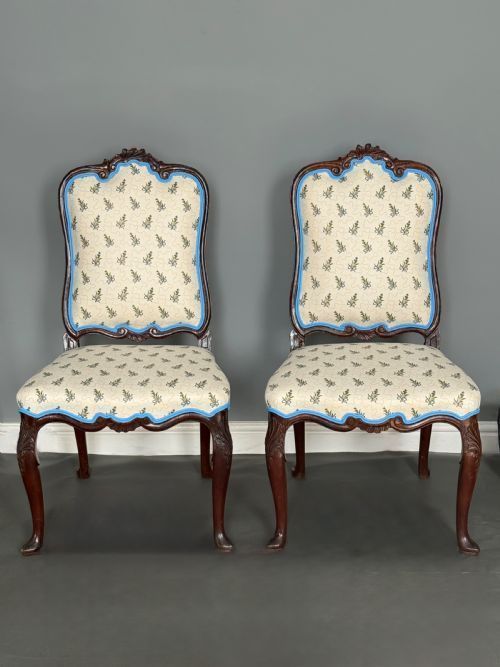
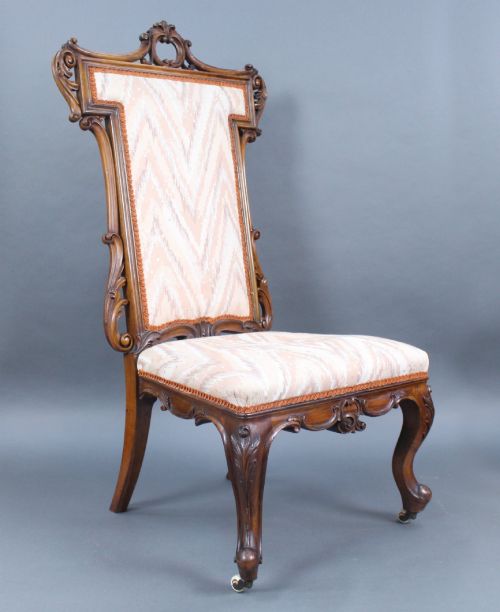
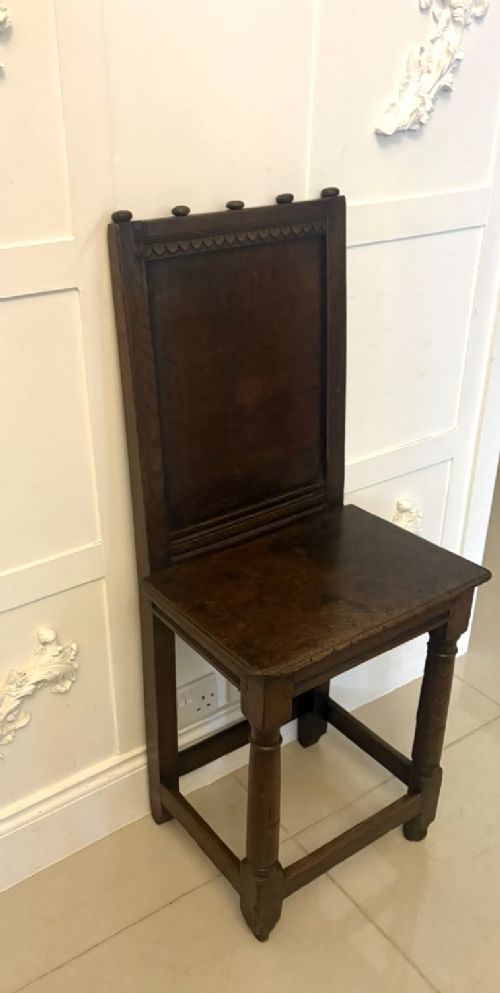
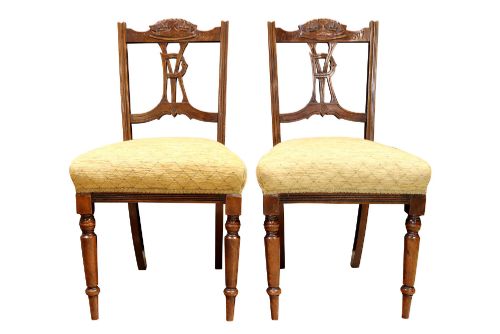
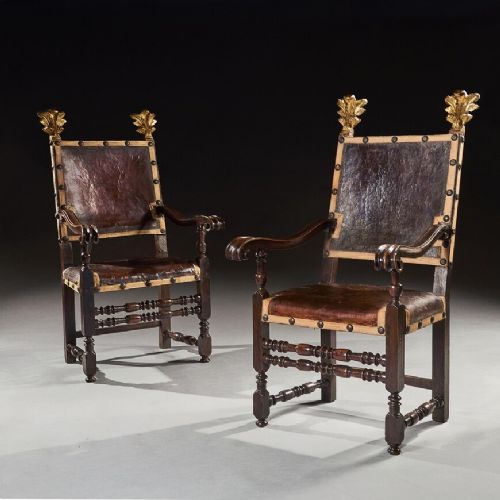
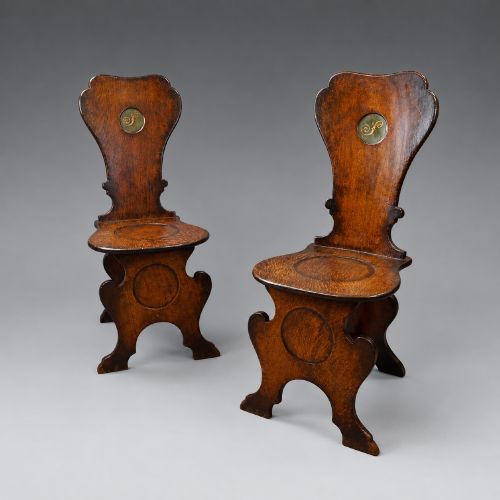
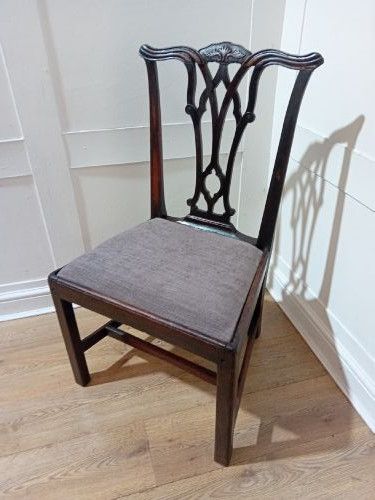
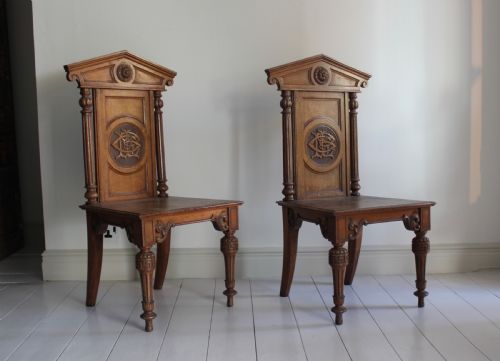
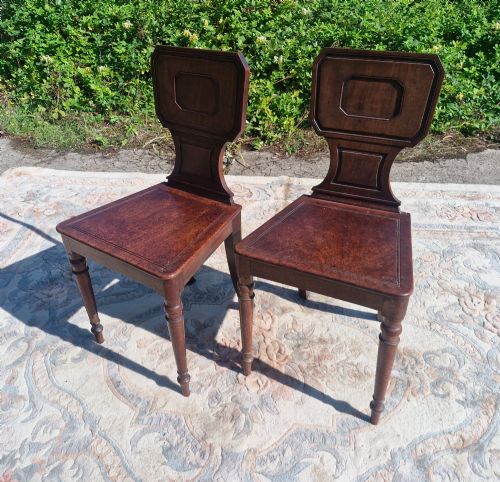
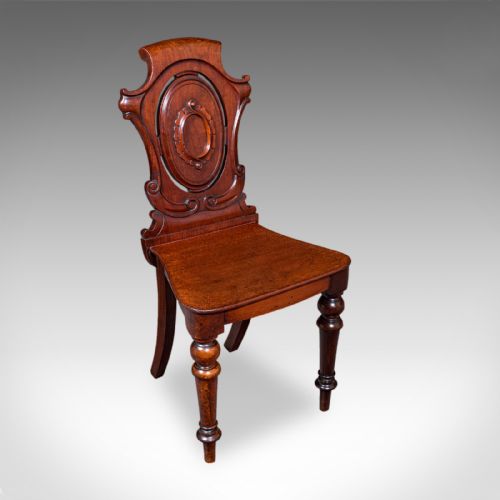
A brown carved hall chair stands ready in an entranceway, offering a solid timber seat shaped by historical periods from the seventeenth century onward.
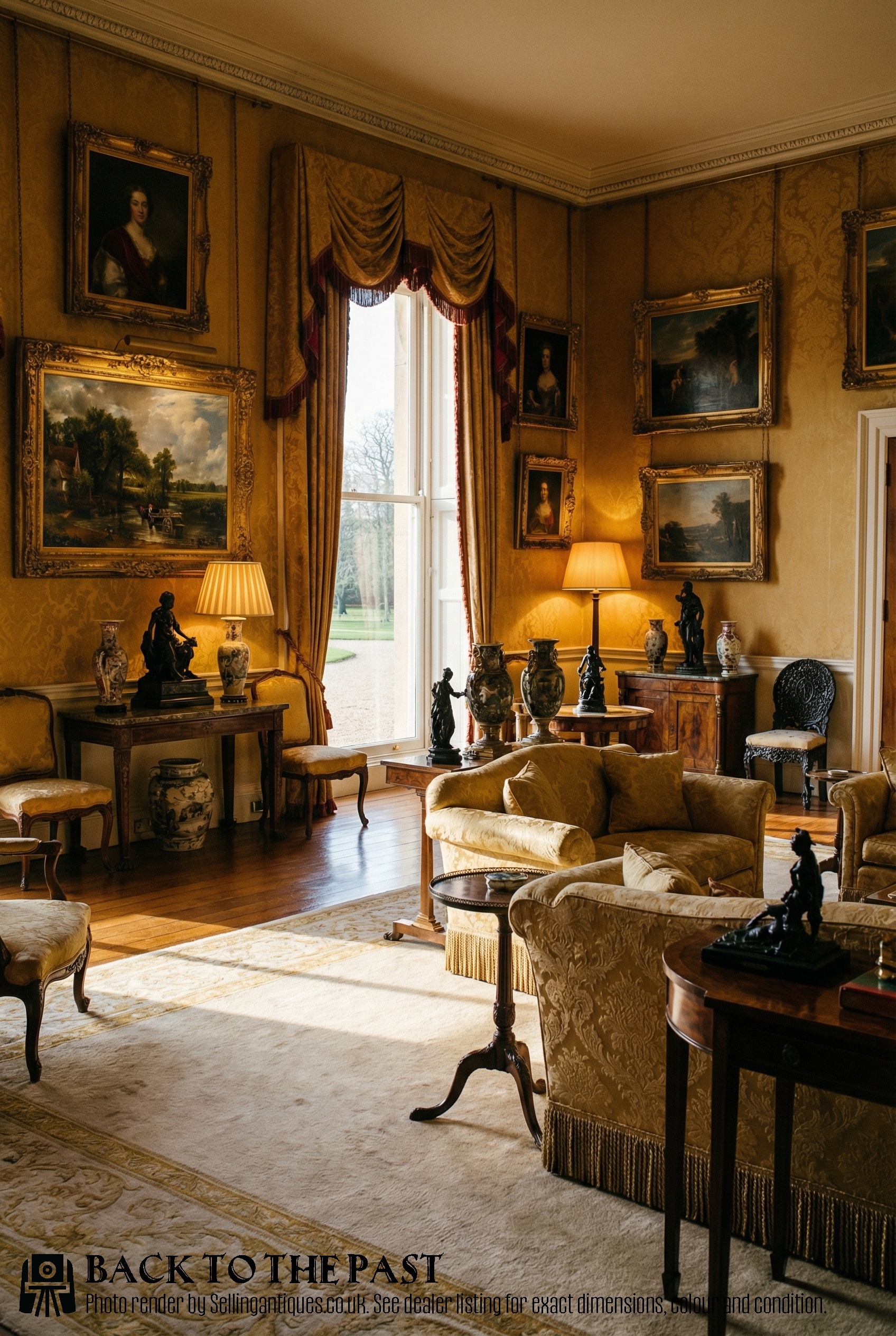
Brown Carved Hall Chair
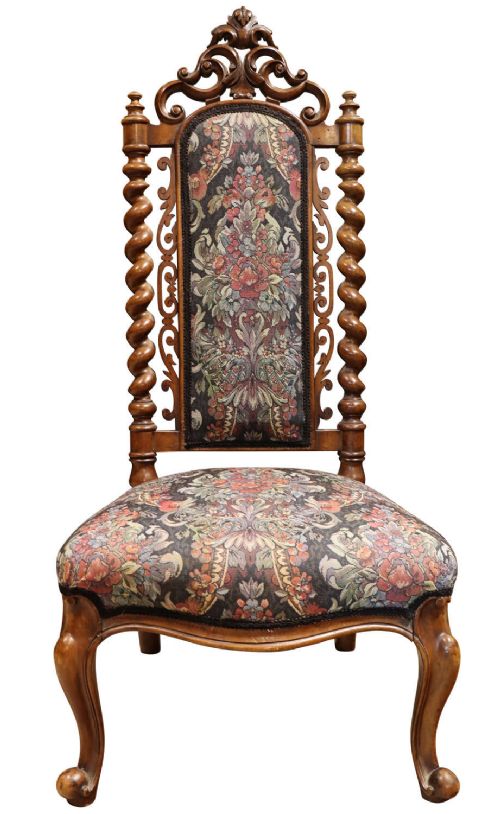
A brown carved hall chair is a timber reception seat placed in a lobby, hallway, or morning room. These items serve as functional hallway furniture rather than soft domestic seating, often displaying rigid wooden panels and upright backs.
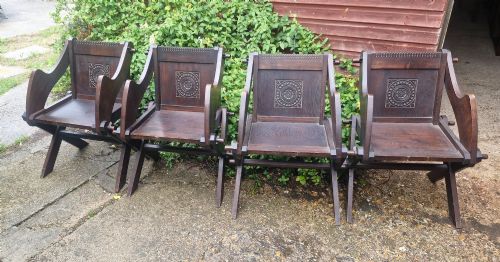
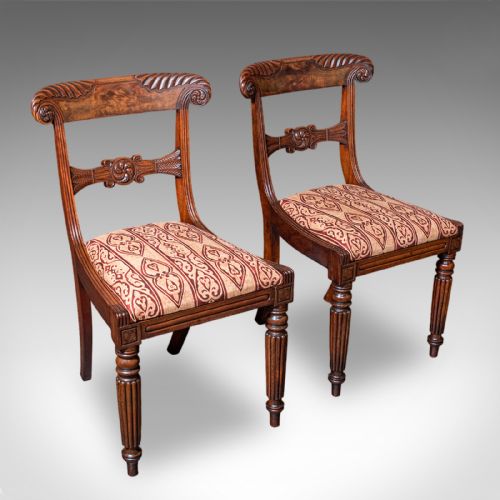
Earlier pieces from the eighteenth and seventeenth centuries appear alongside Regency variations and Gothic Revival items. Many listings comprise pairs or sets rather than solitary seats, reflecting their original placement flanking an entrance.
How they were made
Carpenters utilised durable hardwoods including oak, mahogany, and walnut to construct these frames. Timbers were selected for strength to withstand regular use in busy hallways.
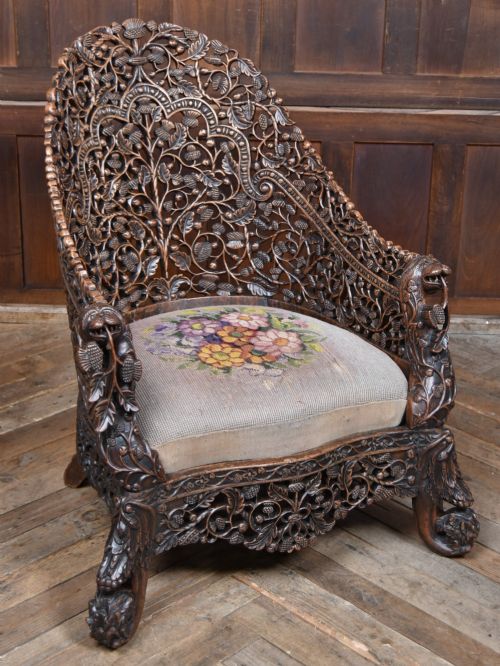
Surface ornamentation relies on direct timber carving rather than applied upholstery. Makers employed hand-carving techniques to shape shields, trefoil details, and sculptural reliefs directly into the wood.
Joinery techniques such as mortise and tenon secure the upright backs to solid timber seats. Certain pieces incorporate turned elements like bobbin turnings or parcel-gilding to accent the natural grain.
Listings span centuries from the 17th Century to the 1900s, featuring oak, mahogany, and walnut woods across various revival styles.
What varies in quality
The depth and definition of the timber carving dictate the visual weight of the piece. Crisp, deeply incised foliage and heraldic shields separate standard production from superior examples.
Timber selection dictates long-term stability and surface grain appearance. Denser figured mahogany and quarter-sawn oak provide both structural integrity and a richer natural patina over time.
The Brown Carved Hall Chair Glossary
- Shield back
- A chair back shaped like a heraldic shield, popular in eighteenth-century and revival seating designs.
- Glastonbury chair
- A folding-style armchair with X-frame supports and a sloped wooden seat, often associated with Gothic Revival designs.
- Sgabello
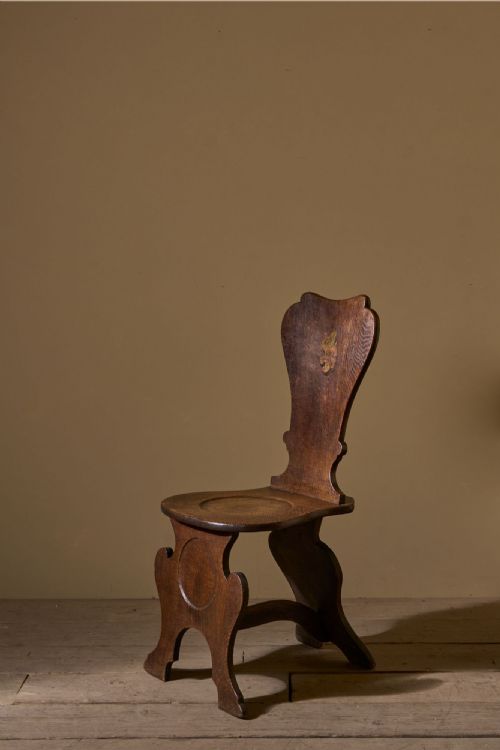
- A Renaissance-form wooden chair featuring solid trestle supports instead of traditional legs, commonly used in hallways.
- Parcel-gilding
- A decoration technique where portions of a wooden frame receive a thin application of gold leaf over paint or varnish.
Brown Carved Hall Chair: Frequently Asked Questions
Where were hall chairs placed?
These seats stood in entrance halls and reception rooms to accommodate visitors waiting briefly inside the house. They were designed for formal impact rather than long hours of relaxed sitting.
Because they occupied primary public zones, carpenters focused decoration on the visible upright back while keeping the timber seat unpadded.
Why are they mostly made of oak and mahogany?
Hardwoods offered the necessary strength to endure heavy daily traffic in busy entrances. Oak dominated earlier centuries, while mahogany gained widespread favour during the Georgian and Regency periods.
These durable timbers allowed craftsmen to execute sharp relief carvings that would quickly wear down in softer woods.
How do I identify a Gothic Revival piece?
Gothic Revival items feature architectural motifs borrowed from medieval stone structures, including pointed arches and trefoil details. The framing is typically heavy and constructed from dark oak or pitch pine.
These designs emerged strongly during the nineteenth century as part of a broader architectural interest in medieval aesthetics.
Are most hall chairs sold individually?
Many examples survive as pairs or small sets because hallways originally required symmetrical seating arrangements flanking a doorway or console table. Single items also appear from smaller rooms and occasional spaces.
Matched sets from the Victorian period frequently include four or more chairs designed for larger reception spaces.