

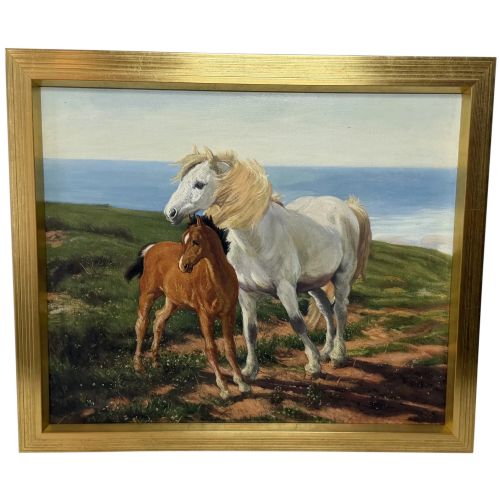


Brown Canvas Coastal Landscape
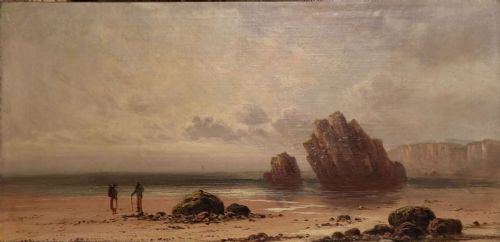
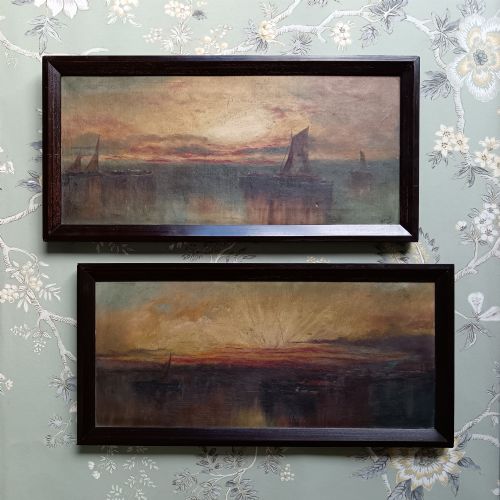
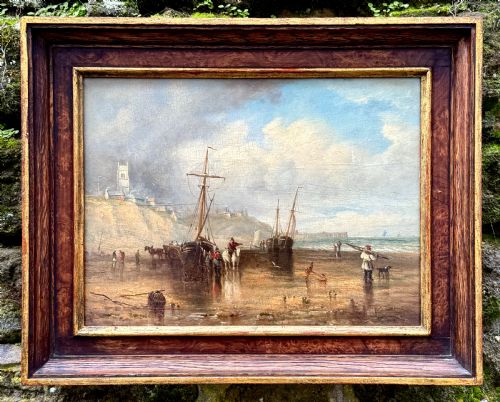
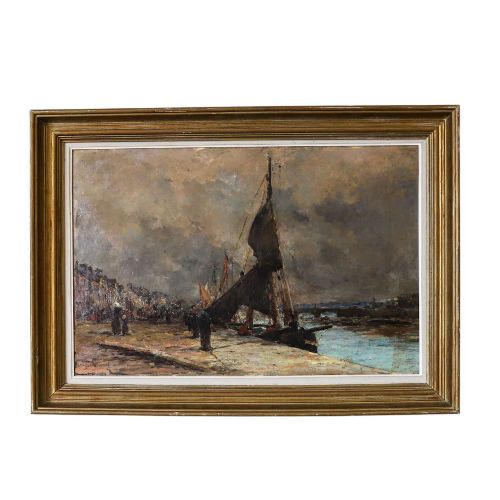
A brown canvas coastal landscape captures the light and atmosphere of shorelines through rich oil paint.
Brown Canvas Coastal Landscape
A brown canvas coastal landscape brings together maritime views, harbours, and tidal shores rendered in oil paint. These artworks record the changing moods of the sea and the activities of coastal workers across different decades.
Buyers frequently encounter works originating from the nineteenth century up through the mid-twentieth century. Canvas and board serve as the primary supports for these painted coastal and marine subjects.
How they were made
Artists built these coastal compositions using oil paint applied to stretched canvas or wooden boards. Brushwork ranges from smooth academic application to heavier impasto that gives texture to water and sand.
Gilt frames often enclose these oil paintings, providing a distinct border that complements the maritime palette of the canvas.
Listings feature oil paintings on canvas and board spanning from the nineteenth century to the mid-twentieth century.
What varies in quality
The strength of composition and the handling of natural light distinguish superior works from simpler decorative pieces. Skilled painters capture the motion of water and the atmosphere of the coast with confident brushwork.
The condition of the original paint surface and the presence of a sympathetic period frame influence the overall integrity of the artwork.
Kenneth Cozens·B. Nash·Thomas Creswick·Gustave De Bréanski·Herbert Royle·Sir David Murray·Owen Bowen·William Shayer·Edward M. Elliott·William Greaves·Ludwig Hermann·Alec Caruthers Gould·Bertram Priestman·Donald McIntyre·John W. Gilroy·Walter J. Hall·Maurice Sijs
The Brown Canvas Coastal Landscape Glossary
- Impasto
- Paint applied thickly to a canvas or board, leaving visible brush or palette knife marks that catch the light. This technique adds tactile dimension to elements like churning waves or stormy skies.
- Marine painting
- Artwork depicting ships, harbours, coastal views, and the open sea. These scenes document maritime history and coastal topography.
- Estuary
- The tidal mouth of a large river where the tide meets the stream. Painters often selected these sheltered waters to capture shipping activity and coastal architecture.
- Gilt frame
- A wooden picture frame coated with gold leaf or metallic paint. These frames enhance the visual presence of oil paintings.
Brown Canvas Coastal Landscape: Frequently Asked Questions
How do I date a coastal oil painting?
Examining the stretcher bars, canvas type, and framing materials provides initial clues to the age of an artwork. Stylistic markers and signatures further help narrow down the period of execution.
Comparison with documented works by known painters from the same era offers additional confirmation of the date.
Where should I hang a marine oil painting?
These artworks suit rooms with stable humidity levels away from direct sunlight to protect the oil paint and canvas. Placing the painting at eye level ensures comfortable viewing of the coastal details.
Pairing the canvas with traditional or mid-century interiors allows the maritime subject to anchor the room's decor.
What is the difference between canvas and board supports?
Canvas is woven fabric stretched over a wooden frame, offering slight give and flexibility. Board provides a rigid wooden or composite surface that resists punctures but requires secure framing.
Both supports received preparation grounds before the artist applied oil paint.
How do I care for an antique oil painting?
Dusting the surface gently with a soft, dry brush prevents particulate buildup on the paint and frame. Avoiding extreme temperature fluctuations protects the canvas and ground layers from cracking.
Professional conservation should be consulted if the paint layer requires cleaning or stabilization.