




Brown Cane Stand
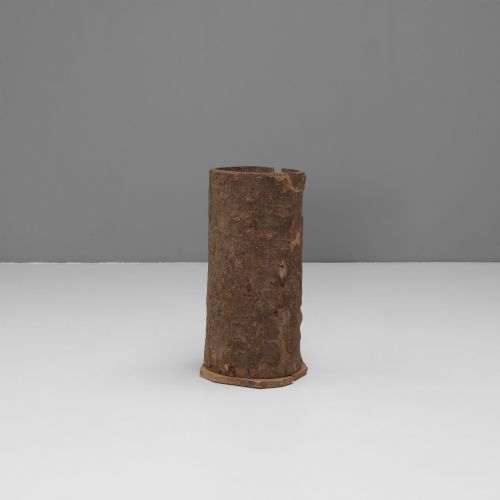
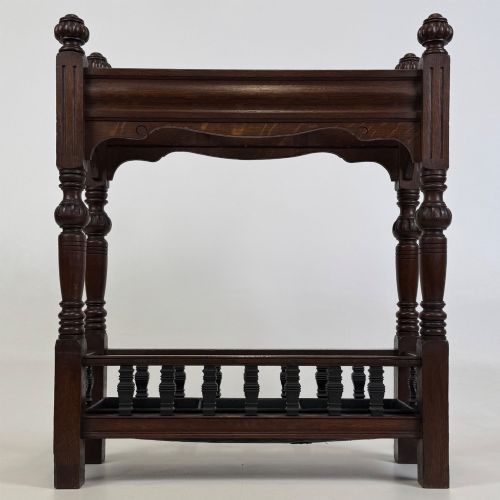
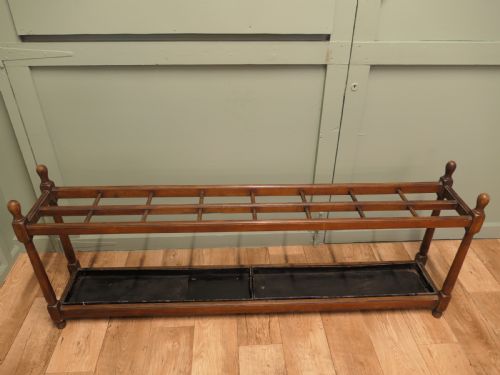
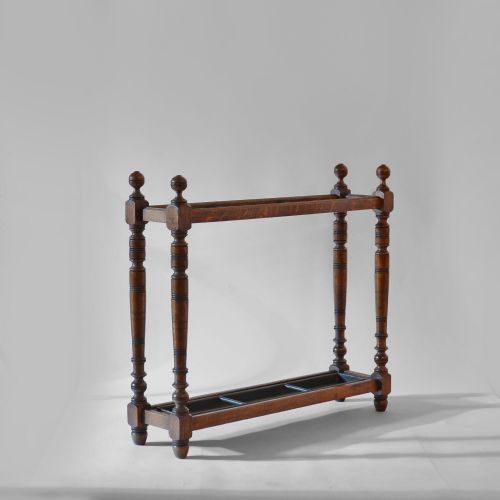
A brown cane stand holds wet weather gear and walking sticks in the hallway, bringing practical order and honest period character to an entrance.
Brown Cane Stand
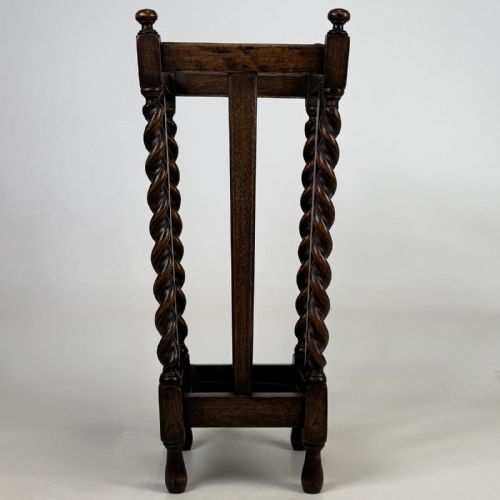
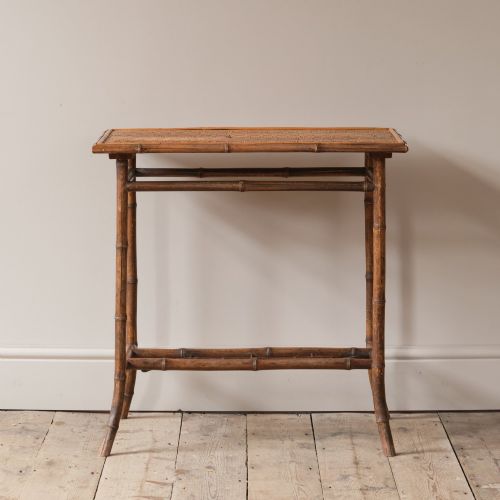
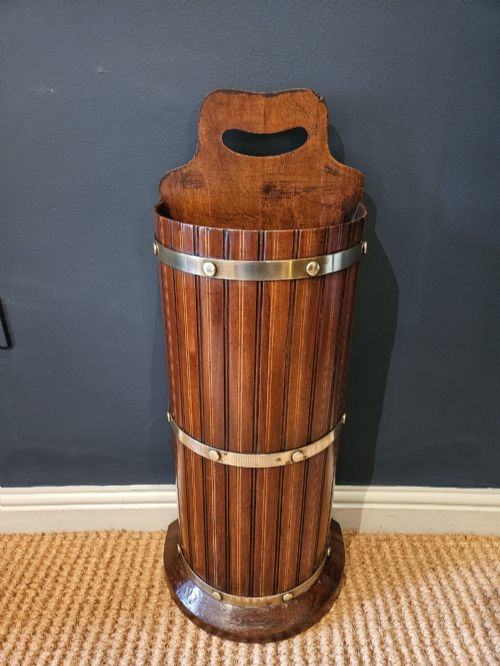
The selections on this page lean heavily toward oak, cast iron, and bamboo examples reflecting Aesthetic Movement, Arts and Crafts, and rustic country house tastes. These pieces range from simple barrel designs to multi-division racks and sculptural Black Forest carved bear supports.
Many items combine diverse materials such as brass bands, leather elements, and ceramic bases to manage moisture effectively while maintaining a sturdy presence in a hallway or vestibule. The forms vary from compact domestic stands to large shop displays and multi-slot hall racks.
Materials and construction
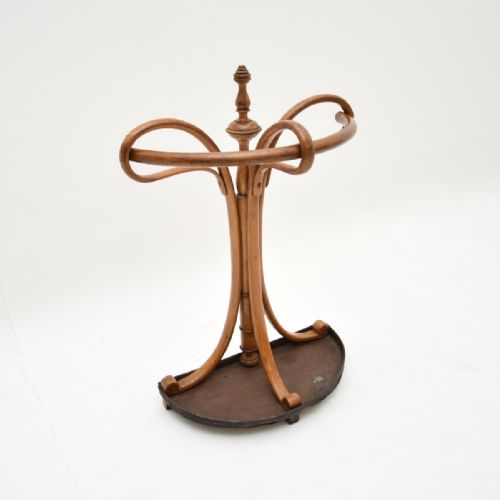
Makers utilised solid oak, bentwood, and bamboo for the main frameworks, often joining the timber with exposed tenons or steam-bending components to achieve resilient curves. Metal elements like cast iron, brass, and enamelled iron provided heavy bases and supportive loops to withstand daily use.
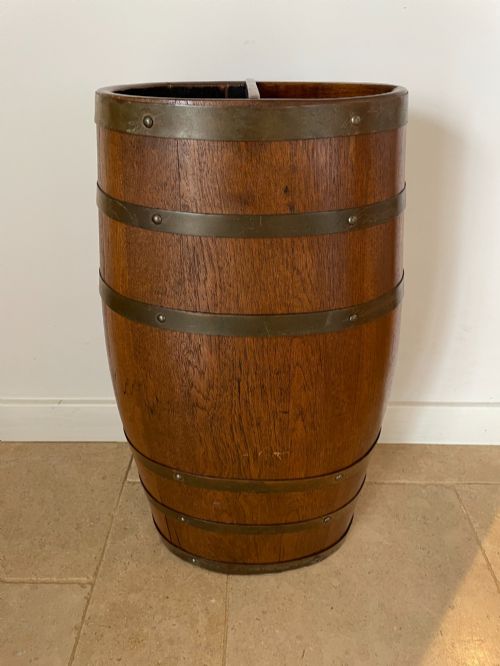
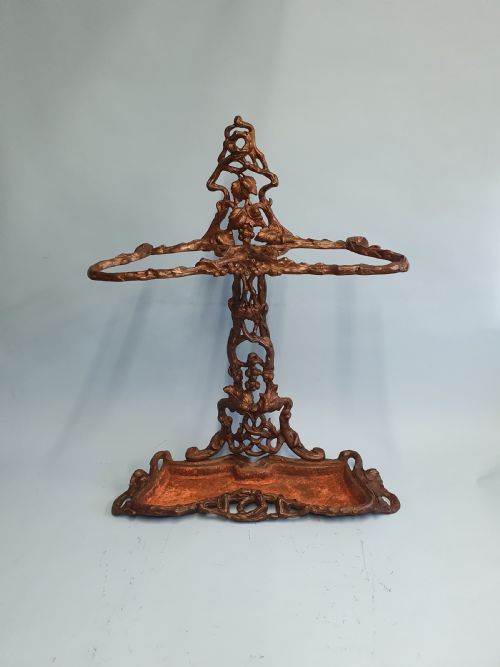
Coopering techniques shaped wooden staves bound by brass hoops into barrel forms, while foundry casting produced openwork grilles and drip pans for metal variants. Leather and ceramic additions offered waterproof linings or inserts to protect the underlying structure from dampness.
Brown Cane Stand Retail Price Guide 2026
Typical asking prices for brown cane stand among the pieces listed under this phrase on Sellingantiques today, from the lower quarter to the upper quarter. They describe what is for sale here now, not the wider market.
A Black Forest carved bear stands guard with outstretched paws, ready to hold your walking stick.
Assessing quality and construction
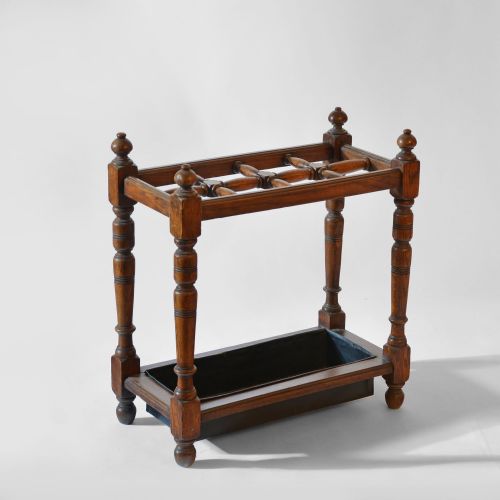
Superior examples display robust joinery, such as sound coopered staves and tight bamboo bindings, alongside original removable drip pans that catch moisture effectively. The integration of quality secondary metals like heavy brass banding or substantial cast iron distinguishes robust specimens from lighter utilitarian items.
Finer pieces retain their original surface patination, whether polished oak grain or deep foundry finishes, without excessive replacement parts or structural compromise from damp exposure. The balance between decorative ambition - such as carved details or Aesthetic Movement lines - and everyday utility marks the better iterations.
Thonet·Liberty and Co·Leveson and Sons·Coalbrookdale·A Kenrick and Sons·Falkirk Foundry
The Brown Cane Stand Glossary
- Bentwood
- Wood shaped by steaming and bending under pressure rather than carving. This technique creates smooth, continuous curves popular in late nineteenth and early twentieth century furniture.
- Coopered
- Constructed from vertical wooden staves held together by metal hoops, much like a barrel. This method ensures waterproof integrity for holding wet umbrellas.
- Drip pan
- A shallow metal or ceramic tray positioned beneath the stick holders to catch water runoff. It protects the floor and the base of the stand from moisture damage.
- Hall stand
- A larger piece of entrance furniture combining a cane stand with coat hooks, a mirror, and sometimes a small glove drawer. It serves multiple organisational purposes in a hallway.
- Aesthetic Movement
- A late nineteenth century design style emphasising visual beauty over narrative or moral function. Pieces often feature simplified forms and Japanese-inspired motifs.
Brown Cane Stand: Frequently Asked Questions
Where should a cane stand go?
These stands belong in a hallway, vestibule, or boot room where people enter the house with wet umbrellas and walking sticks. Placing them near the primary entrance keeps floors dry and gear accessible.
Ensure there is enough clearance around the stand for wet items to be inserted and retrieved easily without crowding the passage.
How do I protect wooden stands?
Keep wooden and bamboo stands away from direct heat sources and radiators to prevent the material from drying out and splitting. Check that the internal drip pan is present and sound to catch moisture before it reaches the wood.
Empty and dry the drip pan regularly to stop standing water from damaging the base of the frame from the inside.
What is the difference between bamboo and faux bamboo?
True bamboo stands utilise natural cane stems joined with pins and bindings to create lightweight yet resilient frames. Faux bamboo consists of hardwood, such as beech or birch, carved and painted to imitate the segmented joints of natural cane.
Both styles appeared during the Victorian period, though faux bamboo offers heavier structural stability while retaining the exotic aesthetic.
How do I date an iron stand?
Cast iron stands from the nineteenth century often feature registration marks, maker's names, or foundry stamps cast into the underside or back panel. The intricacy of the casting and the paint layers also provide clues to the era of manufacture.
Victorian foundry pieces frequently display gothic, naturalistic, or aesthetic motifs that align with specific design decades.