

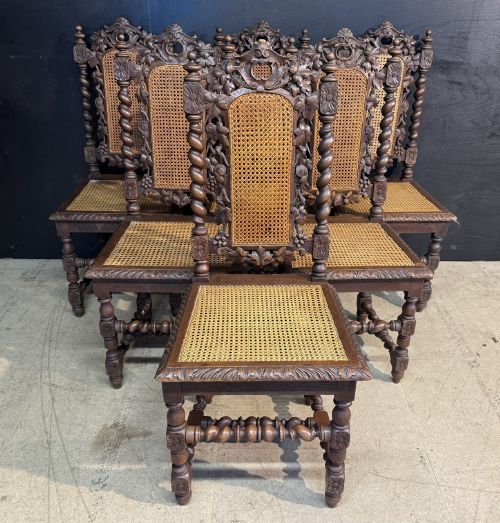
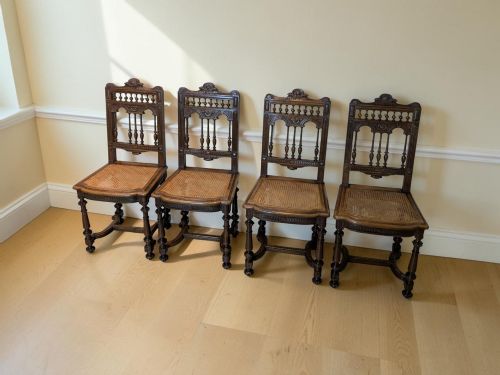
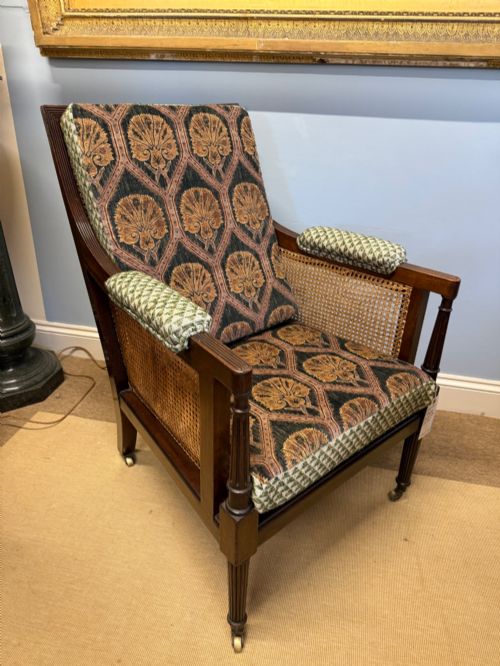
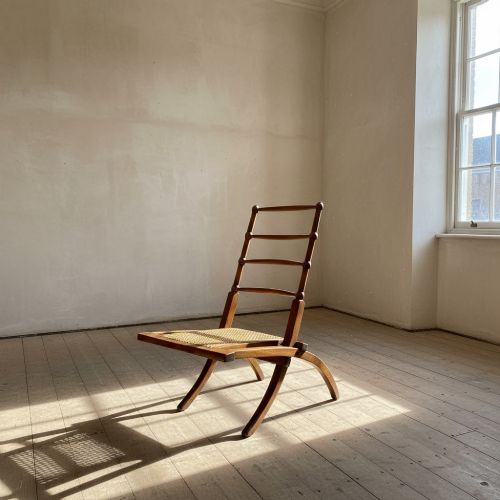


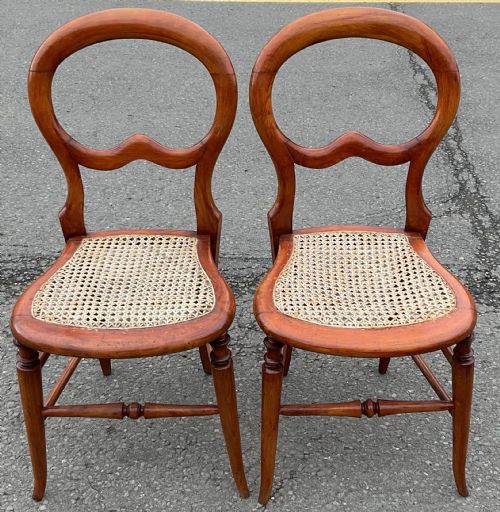

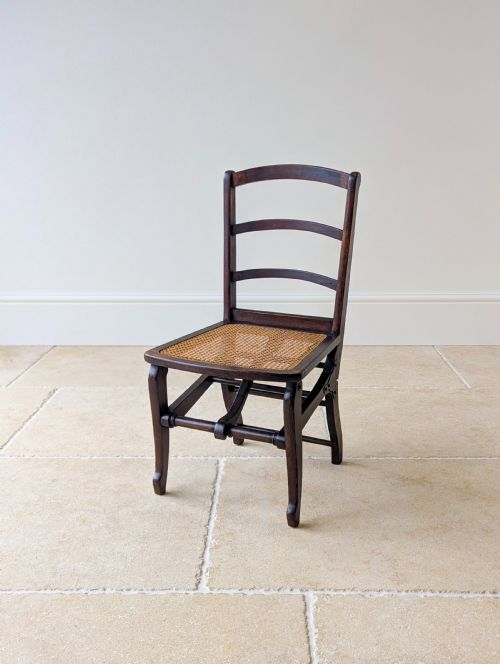


Brown Cane Side Chair
These brown cane side chair examples span centuries of seating design, offering woven texture and timber frames built for daily utility.
Brown Cane Side Chair
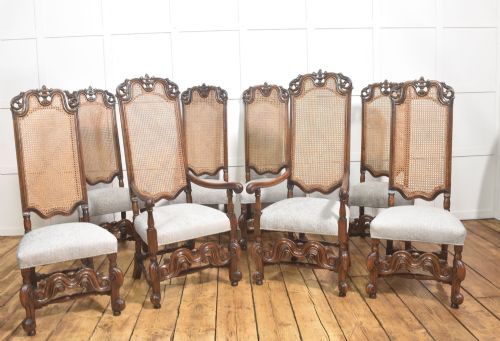
A brown cane side chair brings woven natural seating to dining rooms, bedrooms, and halls across multiple historic periods. These pieces include single items, pairs, and larger matching sets originating from the seventeenth century onwards.
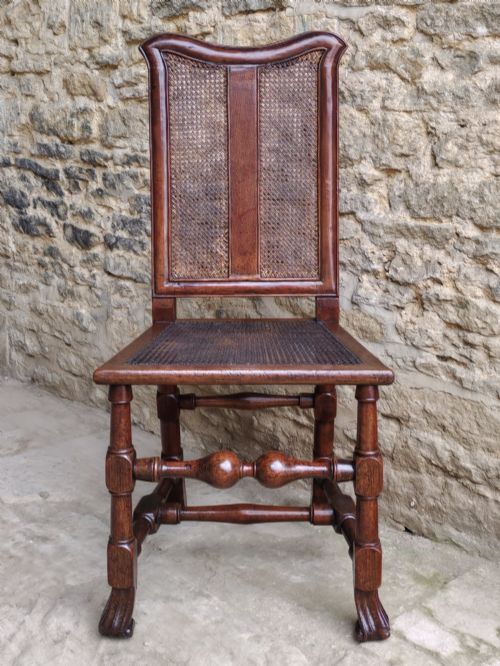
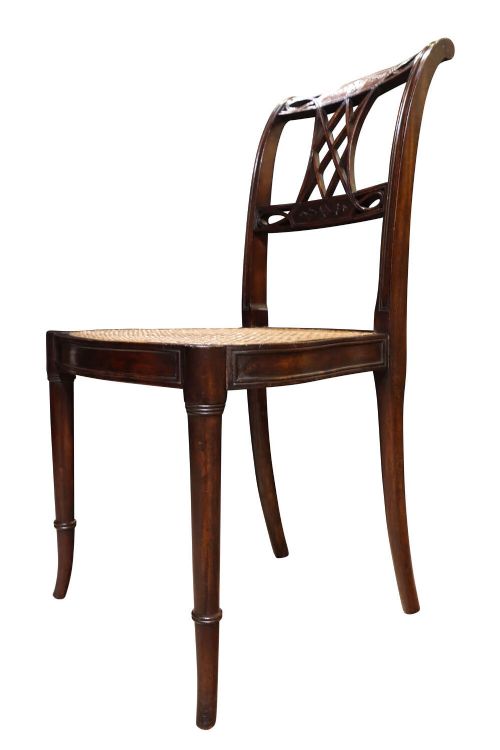
Buyers encounter walnut, mahogany, oak, and beech frames fitted with traditional woven cane panels. The selection spans formal dining seats, light bedroom chairs, and decorative revival styles.
Materials and construction methods
Timbers such as walnut, mahogany, and oak form the structural frames, shaped through turning, carving, and bending techniques. Carpenters joined these elements with traditional joinery to support daily use.
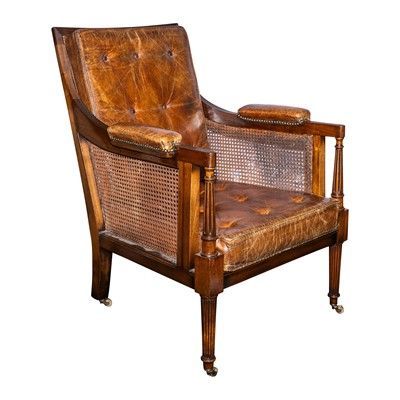
Cane is woven tightly through drilled holes or channeled frames to create flexible, breathable seating surfaces. Additional elements like brass, leather, and fabric appear alongside the timber and woven panels.
Brown Cane Side Chair Retail Price Guide 2026
Typical asking prices for brown cane side chair among the pieces listed under this phrase on Sellingantiques today, from the lower quarter to the upper quarter. They describe what is for sale here now, not the wider market.
Listings feature timbers such as walnut, mahogany, oak, beech, and satinwood alongside woven cane.
Factors influencing quality
The refinement of timber carving and the tightness of the cane weave separate standard examples from finer pieces. Dense hardwoods and crisp joinery indicate superior workshop execution.
Proportion and stylistic consistency across matched sets determine the overall caliber of the seating. Original surface patination and intact structural framing elevate the standing of individual pieces.
Waring & Gillow·Gillows
The Brown Cane Side Chair Glossary
- Cane
- Woven material made from the peeled outer bark of rattan palms. It provides a durable, flexible surface for seats and backs.
- Bergère
- An enclosed upholstered armchair featuring cane or upholstered sides. This form often includes a loose seat cushion.
- Klismos
- An ancient Greek chair shape with curved back rails and splayed legs, revived in later neoclassical periods. The design emphasises graceful, sweeping lines.
- Bobbin
- A turned furniture leg or stretcher shaped to resemble spools of thread. This decorative turning appears on seventeenth-century pieces and later revivals.
- Scumble
- A translucent paint layer applied over a base colour to imitate wood grain or texture. It appears on nineteenth-century decorative furniture.
Brown Cane Side Chair: Frequently Asked Questions
How do I care for cane seats?
Keep woven cane panels supple by wiping them occasionally with a damp cloth to prevent drying out. Avoid placing these chairs near direct heat sources.
Support the woven surface properly and avoid placing excessive point loads on the centre of the seat to preserve the tension of the cane.
Can these chairs be used daily?
Most sturdy timber frames and woven cane panels handle regular sitting when placed on level surfaces. Historic pieces benefit from mindful handling.
Check timber joints periodically to ensure the frame remains stable under normal weight. Heavier sitters should use dining or hall chairs rather than delicate bedroom examples.
How do I identify the period?
Examine the timber species, turning style, and construction methods used in the frame. Walnut and heavy oak often point to earlier centuries or specific revival eras.
Compare the carving details and overall silhouette against established design periods like Regency, Victorian, or Edwardian. Regional woods and hardware also help narrow down the date.
Are replacement cane seats acceptable?
Re-caning is a traditional maintenance practice required to keep historic seating usable over centuries. Many surviving chairs have received renewed woven panels.
Hand-woven cane matches the original technique of historic workshops, maintaining the authenticity of the piece while restoring structural integrity.