




Brown Bronze Relief
Brown bronze relief pieces combine metallic warmth and tactile depth, capturing centuries of sculptural skill in domestic metalwork and wall art.
Brown Bronze Relief
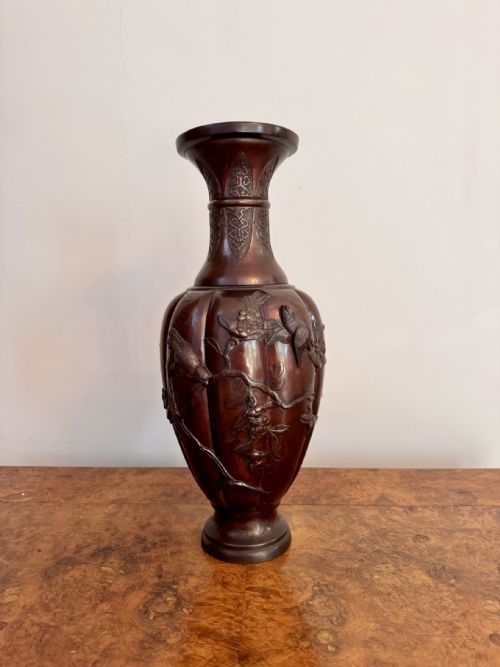
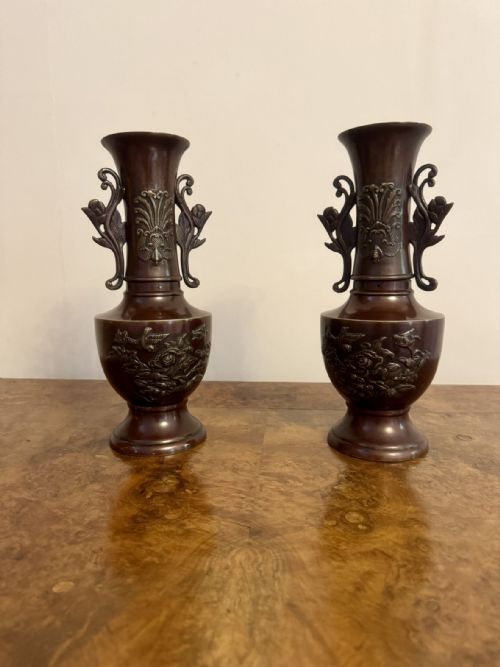
When you search for brown bronze relief, you encounter a varied assortment of decorative metalwork and sculptural plaques spanning the nineteenth century and the early twentieth century. The selection ranges from Japanese Meiji period vases and jardinières to European cast metal portrait plaques, exhibition medals, and decorative ewers.
You are most likely to meet Japanese bronze vessels adorned with surface decoration alongside Victorian and Edwardian wall plaques cast in bronze, terracotta, copper, and plaster. These items serve as both functional display containers and pictorial artworks intended for interior decoration.
The objects cross multiple regional origins and stylistic revivals, including Art Nouveau curves and Renaissance Revival motifs. Each piece relies on cast metalwork or moulded composition to project figures and patterns outward from a flat or curved background.
How they were made
The materials recorded in these listings centre primarily on bronze, copper, terracotta, and cast metal, often finished with a deliberate patina to achieve deep brown tones. Artisans utilised casting techniques, including lost-wax methods for intricate Japanese vases and sand casting for heavy plaques and medals.
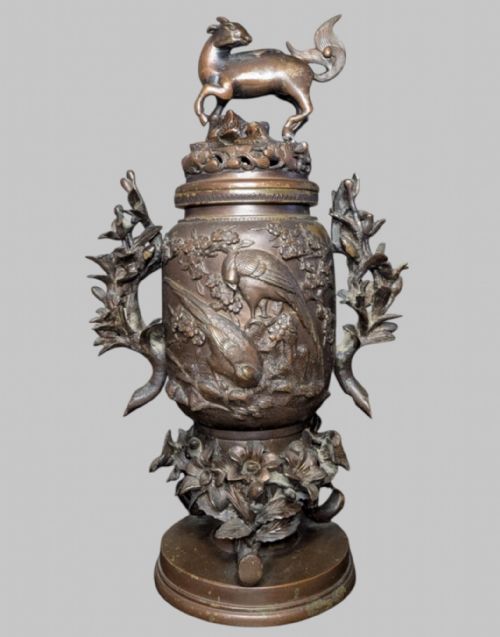
Surface details on these items emerge through relief moulding, chasing, and enamel additions that define the contours of figures, foliage, and architectural elements. Secondary materials such as fabric and wood occasionally appear as frames or mounting elements to support the primary metallic or ceramic reliefs.
Materials represented across the collection include cast bronze, patinated bronze, terracotta, copper, cast iron, and bronzed plaster.
What varies in quality
The richness and stability of the patination significantly influence the visual success of the piece, as an even brown bronze tone enhances the depth of the relief work. Furthermore, the presence of signatures or maker attributions elevates the standing of an individual plaque or vase within its category.
Ernst Wahliss·Gustav Grohe·Paul Dachsel
The Brown Bronze Relief Glossary
- Patina
- A surface coloration resulting from chemical treatment, age, or oxidation. This treatment produces the characteristic brown bronze tones seen across these metal and plaster surfaces.
- Relief
- A sculptural technique where figures or designs project from a flat background. High relief stands out prominently, while low relief remains closer to the plane.
- Jardinière
- A large ornamental pot or planter designed for holding live plants or floral arrangements. These objects are frequently cast in heavy bronze with decorative exterior motifs.
- Koro
- A traditional Japanese incense burner typically supported on legs and featuring a pierced lid. These vessels often incorporate animal finials such as goats or dragons.
- Roundel
- A circular panel or plaque used for decorative wall display. They frequently portray profile portraits cast in metal or moulded in plaster.
Brown Bronze Relief: Frequently Asked Questions
What is a brown bronze relief?
A brown bronze relief is a sculptural or decorative object made from metal or patinated composition featuring raised designs against a flat or curved ground. These items include wall plaques, commemorative medals, and vessels with pictorial scenes.
The brown coloration is typically achieved through patination, highlighting the contours of figures, landscapes, and floral motifs. They represent diverse periods from the nineteenth century through the early twentieth century.
How were bronze wall plaques displayed?
Bronze wall plaques were designed to be hung directly on interior walls as independent artworks or integrated into architectural wood panelling. Many feature integral loops or mounting holes for secure placement.
Heavier plaques were sometimes set into wooden frames or displayed on dedicated stands to showcase their three-dimensional depth and patinated surfaces.
What is a Meiji period vase?
A Meiji period vase originates from Japan between eighteen sixty-eight and nineteen twelve, a time of exceptional metalworking skill. These vessels are known for sophisticated bronze casting and detailed surface ornamentation.
They often feature flora, fauna, or mythical creatures rendered in high relief, sometimes complemented by patinated finishes and inlaid metals.
How do I care for bronze relief?
Bronze relief requires gentle dusting with a soft, dry cloth to prevent the accumulation of grit in recessed areas. Avoid using liquid cleaners, polishes, or abrasive cloths that can strip the original patination.
Keeping the piece in a stable environment away from excessive moisture and direct sunlight helps preserve the integrity of the metal and its surface colour.