


Brown Blanket Box
A brown blanket box provides robust storage while bringing centuries of timber character into a room.
Brown Blanket Box
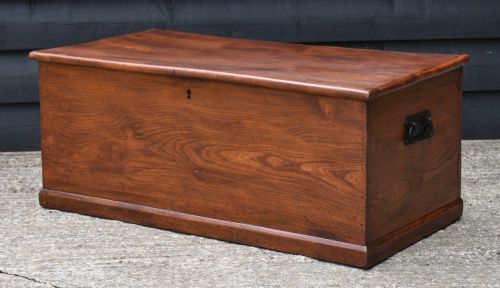
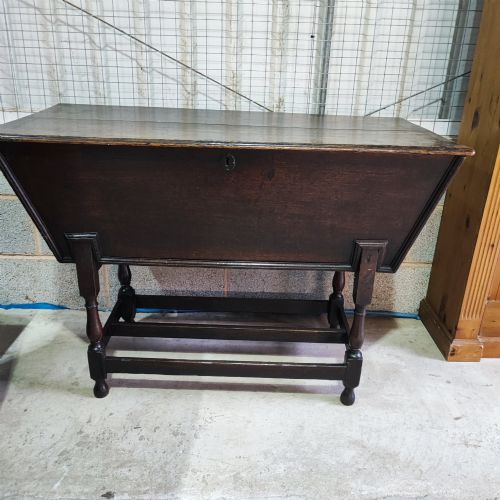
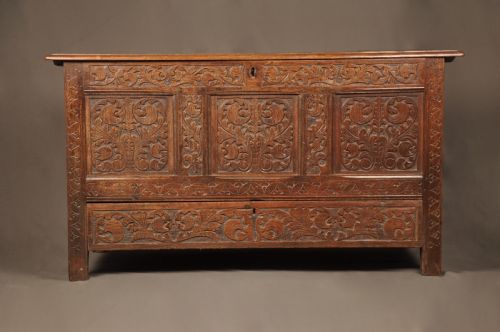
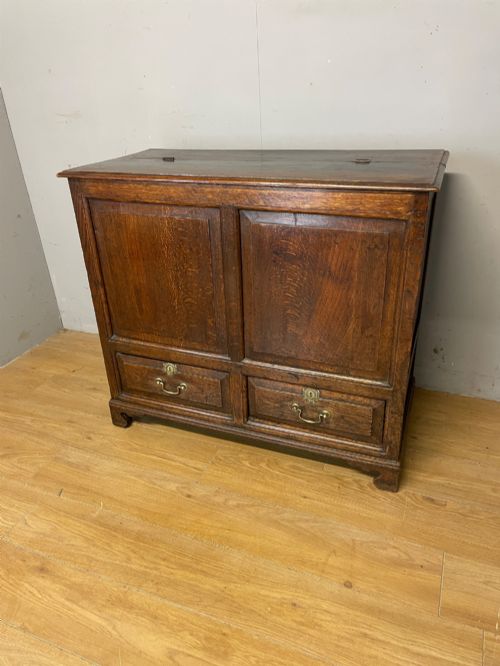
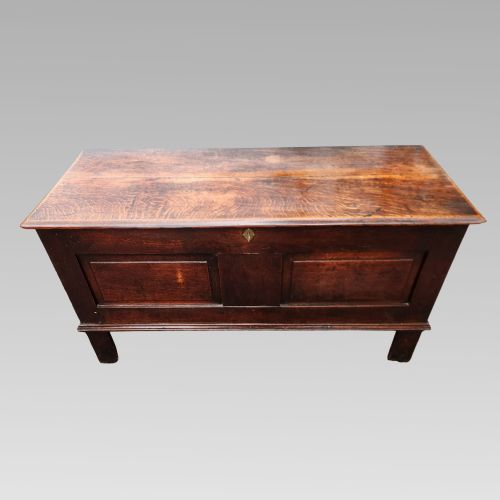
A brown blanket box serves as a utilitarian chest designed for domestic storage, spanning origins from the sixteenth century through the twentieth century. These pieces appear in forms such as coffers, trunks, mule chests, and sword chests, constructed predominantly in dark or warm wood tones.
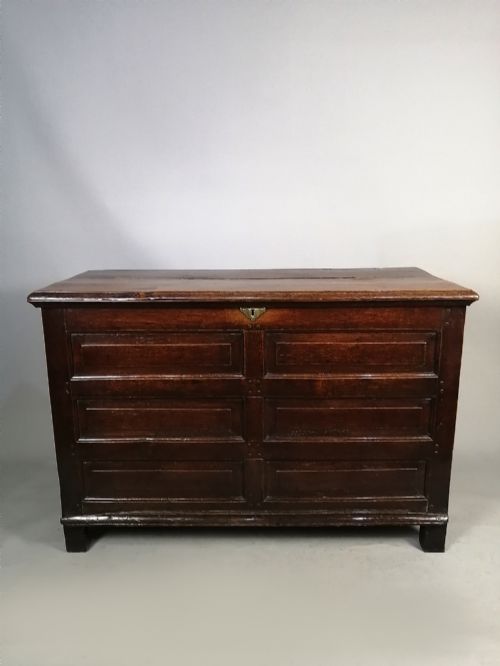
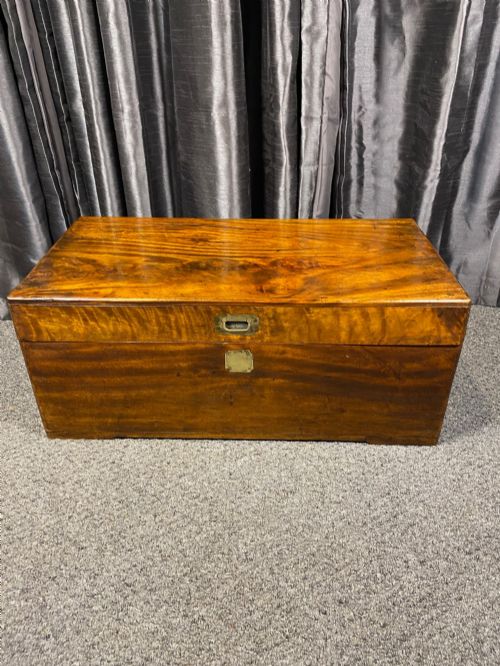
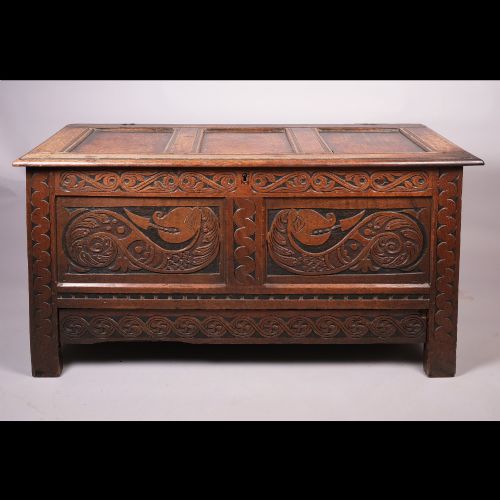
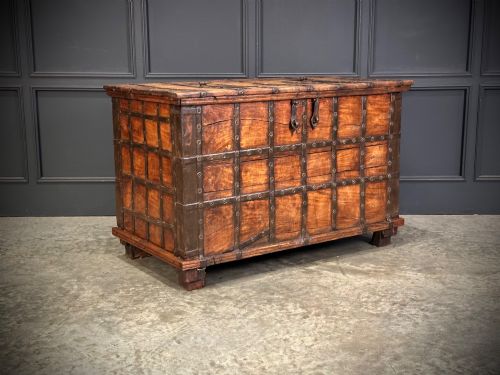
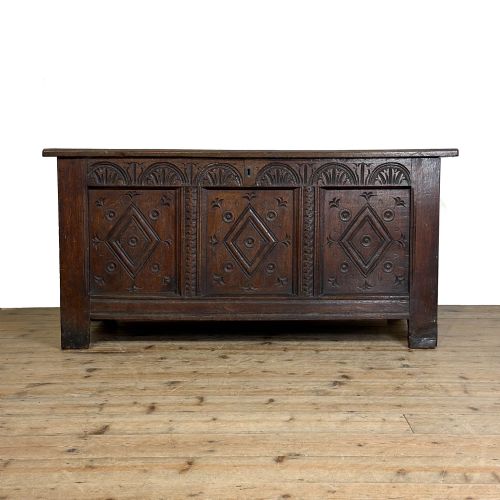
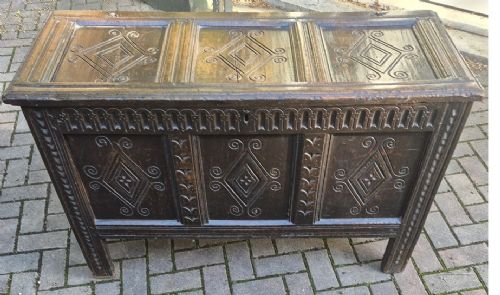
The version most likely to meet a buyer on this page is an oak coffer or panelled box originating from the seventeenth or eighteenth century. Alongside these, nineteenth-century camphor wood and mahogany campaign trunks offer alternative variations in brown timber finishes.
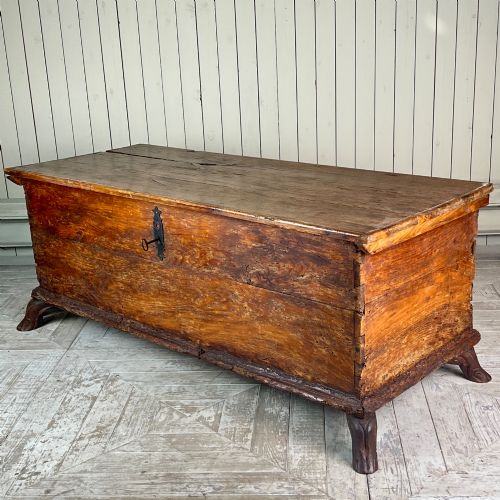
Makers and makers' workshops produced these receptacles for practical household use, whether for linens, travel, or valuables. Over time, surfaces developed patinas ranging from deep brown polishes to raw, untreated plank grain.
How they were made
Constructed primarily from native timbers such as oak, elm, and mahogany, alongside exotic woods like camphor wood and teak, these boxes rely on traditional joinery methods. Frameworks utilise panelled construction, six-plank assembly, and dovetailing to form rigid, durable compartments.
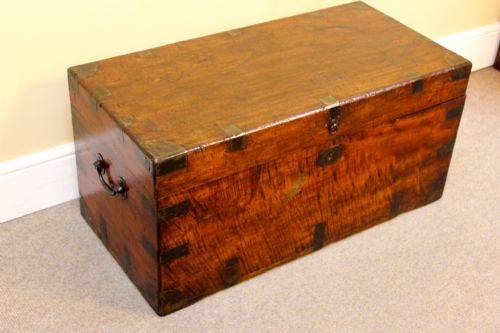
Hardware elements integrate brass corners, iron hinges, leather bindings, and studded details to reinforce corners and edges for travel or heavy domestic handling. Surfaces receive finishes of natural wax or dark polish to seal the wood while accentuating the grain.
Brown Blanket Box Retail Price Guide 2026
Typical asking prices for brown blanket box among the pieces listed under this phrase on Sellingantiques today, from the lower quarter to the upper quarter. They describe what is for sale here now, not the wider market.
A nineteenth-century barge box seat offers storage with a splash of polychrome paint for life on the water.
What varies in quality
The standard of a brown blanket box rests on the integrity of its timber selection, the crispness of any hand-carved detailing like lunette friezes, and the preservation of original hardware. Examples retaining their initial hinges, brass mounts, and structural soundness command greater interest.
Proportions and surface patination further distinguish individual pieces, as unrestrained wear on elm, oak, or camphor wood creates depth in the finish. Boxes displaying uncompromised panel construction and period-appropriate locks demonstrate superior craftsmanship relative to heavily altered equivalents.
Samuel Pratt
The Brown Blanket Box Glossary
- Coffer
- A large wooden chest used traditionally for holding valuables, documents, or garments. These sturdy boxes often feature hinged lids and panelled sides.
- Mule chest
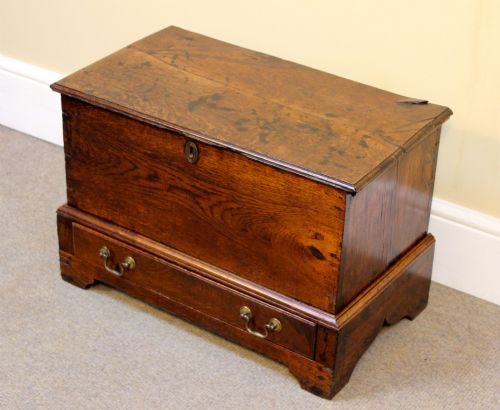
- A storage chest featuring one or more drawers beneath the main compartment. This form bridges the utility of a box and a small chest of drawers.
- Campaign trunk
- A portable chest designed for military officers on the move, frequently constructed from camphor wood or mahogany with brass binding and inset handles.
- Six-plank coffer
- A primitive box constructed from six individual boards joined simply at the edges. This method represents an early form of timber box construction.
- Lunette frieze
- A decorative carved band featuring semicircular or crescent motifs. Craftsmen frequently applied this ornament to the upper panels of Jacobean style furniture.
Brown Blanket Box: Frequently Asked Questions
What is a brown blanket box used for?
These boxes function primarily as storage receptacles for household linens, blankets, and personal possessions. Their sturdy lids also allow them to double as occasional benches or low tables within a domestic space.
Historically, travellers and households relied on these deep compartments to protect textiles from dust and dampness. Today, they serve a similar storage role while anchoring a room with historic timber tones.
How do I date an antique oak coffer?
Dating relies on observing construction techniques, tool marks, and stylistic motifs such as carved friezes or panel configurations. Early pieces from the seventeenth century often utilise pegged joints and hand- cleft boards rather than modern mechanical fasteners.
Specific dates sometimes appear carved directly into the woodwork or recorded on associated documentation. Comparing the joinery style to known periods helps narrow down the decade of manufacture.
Are camphor wood trunks different from oak boxes?
Camphor wood trunks originate predominantly from nineteenth-century trade and military campaigns, possessing a distinct aromatic quality. Oak boxes generally date from earlier domestic English traditions and feature heavy, rigid plank or panel construction.
Both materials served transport and storage needs, but camphor wood offered natural insect-repellent properties suited for distant travel. Their visual appearance also differs significantly, with camphor presenting lighter, varied grain patterns compared to dark brown oak.
How do I care for a antique wooden chest?
Maintain wooden chests by applying microcrystalline wax sparingly to nourish the surface without building up excessive residue. Keep the timber away from direct heat sources and drastic humidity changes to prevent warping or splitting.
Allowing the wood to breathe naturally preserves the aged patina developed over centuries of use. Periodic gentle dusting with a dry cloth keeps the surface clear of particles.