



Brown Bentwood Seat
These brown bentwood seat pieces combine steam-bent strength with clean lines, offering enduring utility for practical seating.
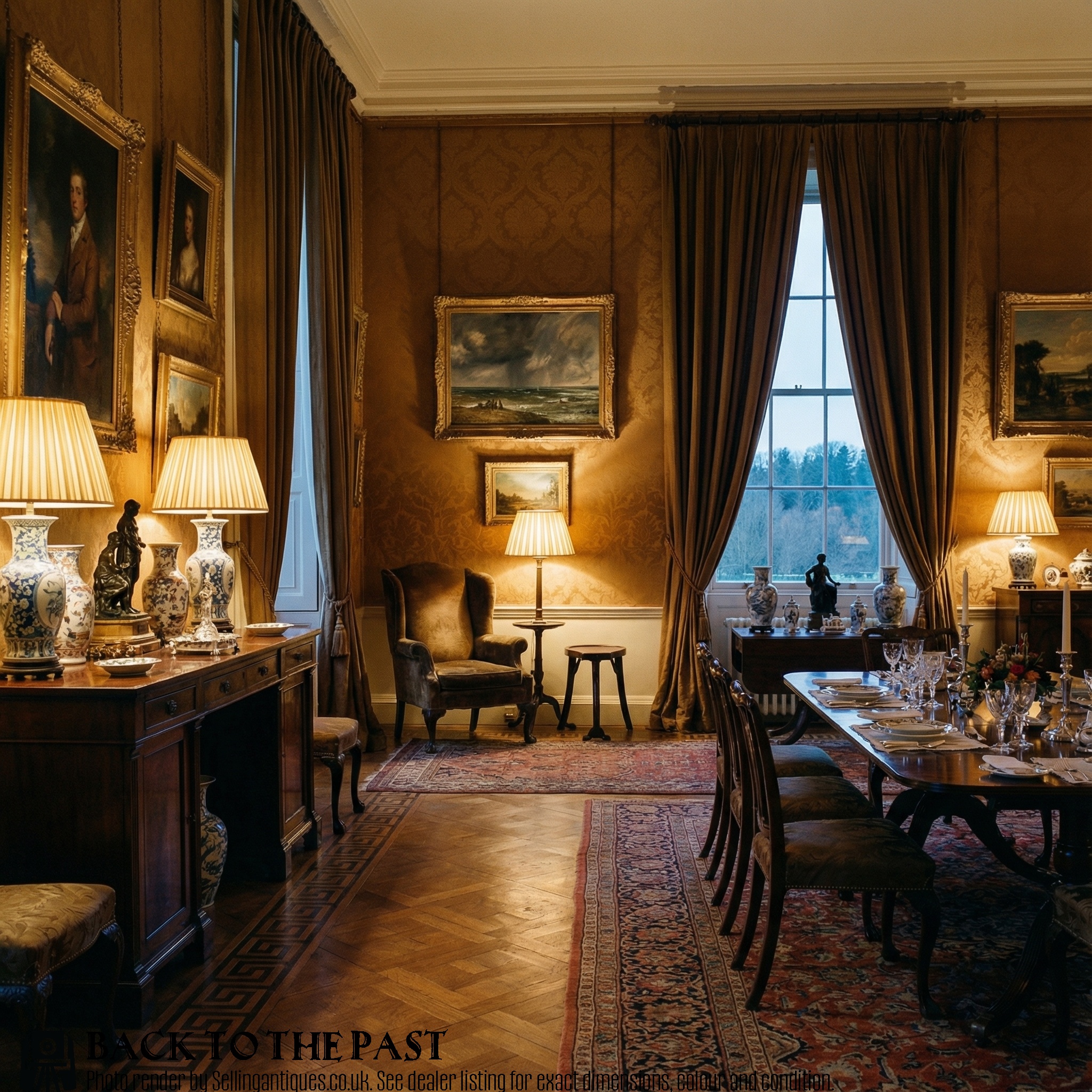
Brown Bentwood Seat
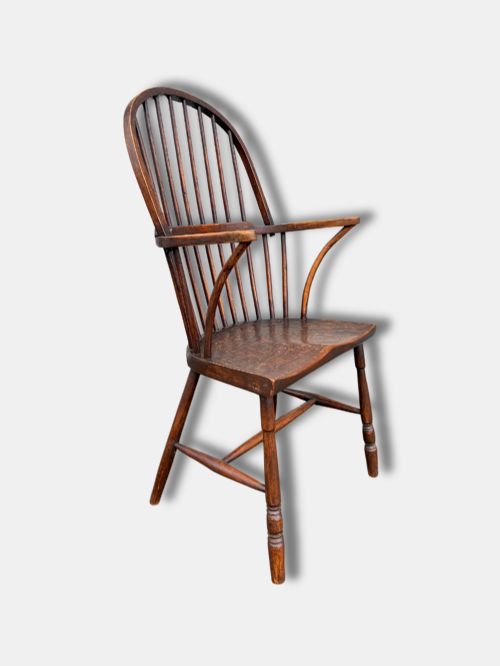
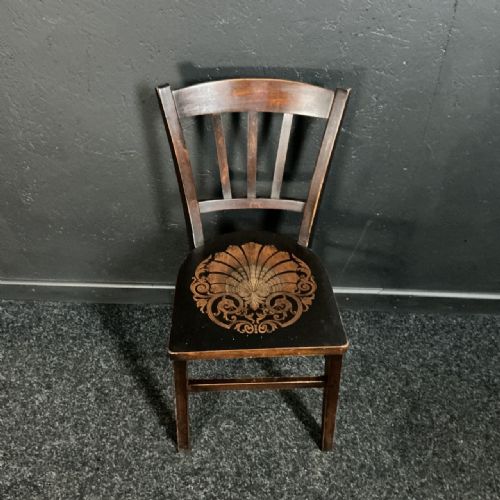
When you search for a brown bentwood seat, you encounter practical furniture pieces spanning the nineteenth century, the Edwardian era, and the nineteen-thirties. The selection includes dining chairs, armchairs, stools, rocking chairs, settees, and benches.
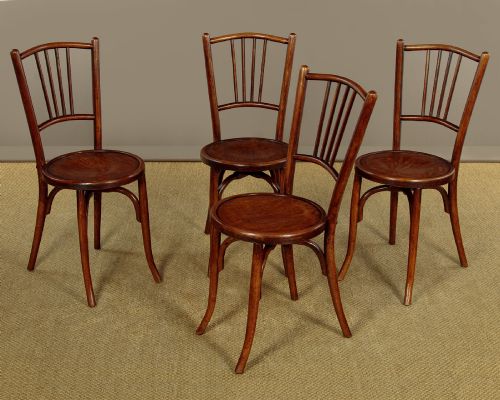
The most common versions met here are bistro dining chairs and armchairs, originating from periods such as nineteen hundred, nineteen ten, nineteen twenty, and nineteen thirty.
Makers like Thonet, J & J Kohn, and Codina dominate these forms, alongside English country vernacular Windsor chairs in ash, elm, and yew.
How they were made
Makers utilised steam to heat solid wood, primarily beech, beechwood, and elm, allowing craftsmen to bend the material into curved frames and circular seats.
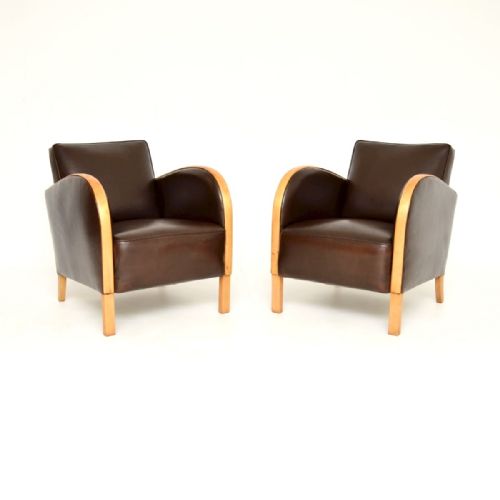
Plywood and cane often form the seat panels, secured within the bentwood framework, while satin birch appears in later Art Deco armchairs.
Brown Bentwood Seat Retail Price Guide 2026
Typical asking prices for brown bentwood seat among the pieces listed under this phrase on Sellingantiques today, from the lower quarter to the upper quarter. They describe what is for sale here now, not the wider market.
Listings feature beech, elm, ash, and satin birch across nineteenth-century, Edwardian, and Art Deco periods.
What varies in quality
The sophistication of the steam-bending technique and the crispness of the designated style distinguish the finer examples from simpler workshop output.
The choice of timber grain, such as figured wood or satin birch, alongside the intact preservation of cane and plywood panels, elevates a piece.
Thonet·Codina·Fred Walker Rockley·J & J Kohn
The Brown Bentwood Seat Glossary
- Bentwood
- Wood that has been rendered pliable by steam and curved into structural frames. This technique allows for lightweight and resilient furniture.
- Bistro chair
- A lightweight café seating design featuring a circular seat and curved backrest. These chairs were mass-produced for European coffee houses.
- Windsor chair
- A wooden seating form featuring a solid saddle-sculpted seat into which the back legs and spindle back are wedged directly.
- Cane
- Woven rattan material used to form breathable seat inserts. It provides flexibility and a lighter visual weight to the frame.
- Art Deco
- A design style characterised by sleek geometric shapes and modern materials emerging around nineteen thirty. It favours smooth surfaces and polished finishes.
Brown Bentwood Seat: Frequently Asked Questions
How were bentwood chairs used?
Bentwood chairs served primarily as everyday seating in European cafés, bistros, and domestic dining rooms.
Their lightweight construction made them easy to move, while the steam-bent frame provided surprising durability for public spaces.
How do I date a bentwood chair?
Dating relies on maker stamps, structural labels, and the complexity of the steam-bent junctions.
Earlier nineteenth-century pieces often feature simpler joins, whereas Edwardian and nineteen-twenties examples show refined machine production.
Can I use bentwood seats daily?
These chairs function well for daily seating when placed on level floors to prevent twisting the steam-bent joints.
Keeping them away from excessive moisture preserves both the solid wood frame and any cane or plywood panels.
Are all bentwood seats made by Thonet?
Thonet is the most prominent name associated with bentwood furniture, but other firms produced substantial quantities.
Maker marks on the underside of the wooden seats or paper labels on the frames help identify alternative workshops like J & J Kohn or Codina.