



Vintage Thonet Seat
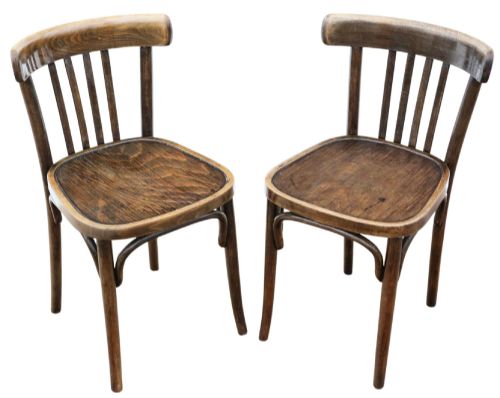
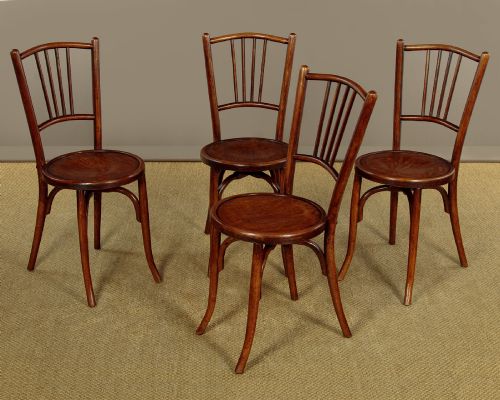
These vintage thonet seat examples bring nineteenth-century steam-bent ingenuity straight into modern interiors through enduring wooden forms.
Vintage Thonet Seat
A vintage thonet seat encompasses steam-bent wooden furniture produced across the twentieth century, drawing on pioneering Austrian and Viennese manufacturing methods. Buyers searching this phrase encounter dining chairs, bar stools, rocking chairs, and settees designed for both domestic use and European bistro settings.
The selections available here feature pieces from the Edwardian era through the nineteen-sixties, including productions originating from Yugoslavia alongside traditional workshops. Common configurations range from single armchairs and children's rockers to large matched dining sets intended for everyday use.
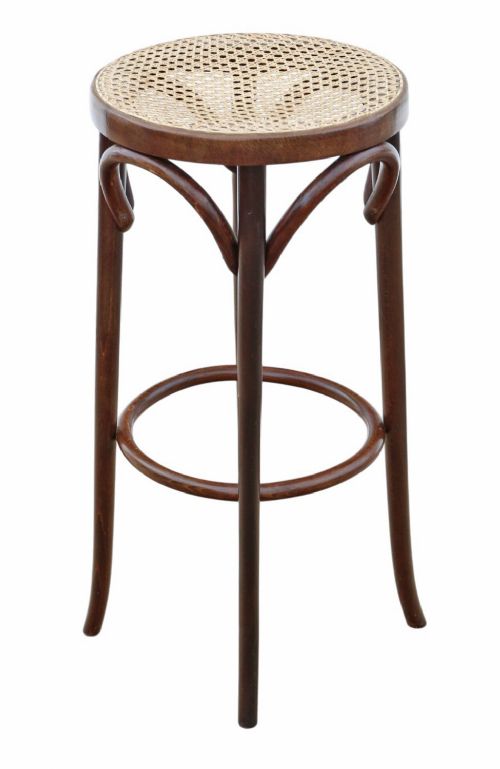
Forms span from classic European bistro chairs with perforated plywood seats to intricately woven rattan cane versions and solid wood benches. Each object reflects the evolution of bentwood styling, incorporating Art Nouveau flourishes and mid-century utility within domestic spaces.
Materials and construction methods
Production relies primarily on beech and beechwood selected for its grain flexibility and structural resilience when subjected to steam heat. Artisans softened solid timber in steam chests before pressing the wood into cast-iron moulds to achieve continuous curved frames.
Surfaces often combine steam-bent wooden components with woven rattan cane or moulded plywood seat panels secured by traditional hardware. This clever assembly minimised the number of individual parts required, resulting in lightweight yet remarkably strong furniture frames.
Vintage Thonet Seat Retail Price Guide 2026
Typical asking prices for vintage thonet seat among the pieces listed under this phrase on Sellingantiques today, from the lower quarter to the upper quarter. They describe what is for sale here now, not the wider market.
Doll collectors can acquire miniature bentwood rocking chairs originally produced as nineteenth-century salesman samples or children's toys.
Distinctions in construction and finish
The hierarchy of quality rests on the precision of the steam-bending process and the integrity of the original timber components. Superior examples display smooth, unbroken curves without stress fractures, alongside tightly woven cane work that remains supportive under daily weight.
Maker signatures, paper labels, and impressed branding beneath the seat structure elevate the standing of a piece significantly. Furthermore, consistency across larger matched sets of dining chairs or stools dictates desirability for collectors and interior designers alike.
Thonet·Codina
The Vintage Thonet Seat Glossary
- Bentwood
- Wood that has been heated with steam and physically forced into curved shapes using metal straps and tension. This technique eliminates heavy joinery and creates lightweight, durable frames.
- Cane
- Strips of rattan plant material woven in traditional open patterns to form breathable, flexible seat inserts. It provides lightweight support while showing the underlying timber structure.
- Plywood
- Manufactured wood panel created by gluing thin layers of veneer together with grain directions alternating at right angles. It offers stability and prevents the splitting seen in solid wood seats.
- Bistro chair
- Lightweight seating designed for nineteenth-century European cafes, characterised by simple bentwood hoops and circular seats. These chairs were engineered for commercial durability and ease of stacking.
- Rocking chair
- Seating mounted on curved wooden rockers attached to the base legs for a gentle swaying motion. Early versions utilised continuous bentwood loops for both the arms and the runner assembly.
Vintage Thonet Seat: Frequently Asked Questions
What makes bentwood furniture strong?
Steam softening allows solid timber to bend continuously rather than depending on weak joints and glue connections. This technique distributes weight evenly across unified wooden frames.
Fewer individual components mean fewer points of structural failure during daily use in busy dining rooms or bistros.
How do I care for cane seats?
Cane requires occasional light dusting and hydration to prevent the natural rattan fibres from becoming brittle over time. Keeping the material away from direct heat sources preserves its natural flexibility.
Occasional wiping with a damp cloth maintains the tension of the woven pattern without damaging the underlying wood.
Are these chairs suitable for daily dining?
These pieces were originally engineered for commercial cafes and domestic dining rooms, making them well-suited for everyday seating. Their lightweight construction allows for easy movement around tables.
Checking that the frame joints remain secure ensures the furniture safely supports routine daily use.
How are different periods identified?
Stylistic markers such as Art Nouveau curves, Edwardian proportions, and mid-century minimalist lines help determine the era of manufacture. Stamped manufacturer marks or paper labels underneath the seat provide definitive chronological proof.
Construction details, including screw types and plywood thickness, also offer reliable clues to dating.