



Curved Wood Stool
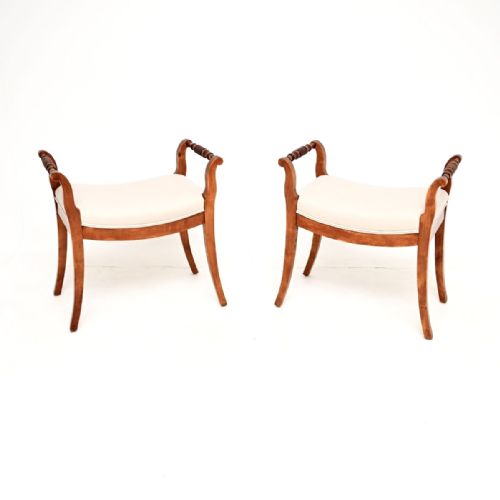
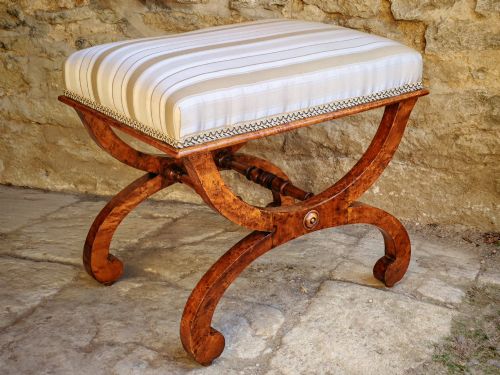
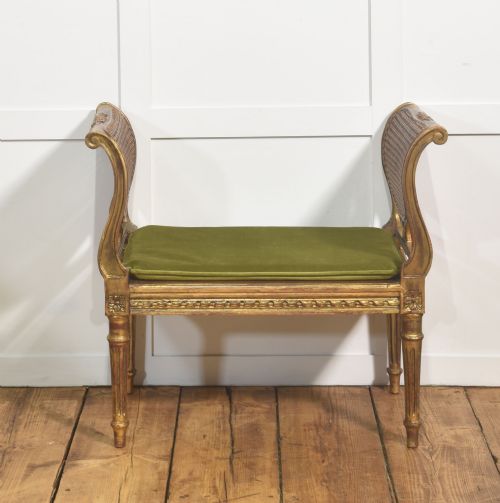
These curved wood stool examples bring together classic seating forms and inventive shaping from various periods.
Curved Wood Stool
A curved wood stool encompasses everything from Victorian bentwood designs to African tribal carvings and formal mahogany window seats. Buyers searching for a curved wood stool will find pieces spanning the nineteenth century up to nineteen-thirty, with notable examples originating from diverse global traditions.
The selection here includes dressing table stools, gout stools with original bergere, and Liberty style Thebes stools. Each curved wood stool serves a distinct functional purpose while showcasing characteristic curves in the timber frame or seat.
Georgian and Regency influences appear alongside French Country and Art Deco aesthetics. This variety means that a curved wood stool can range from an architectural mahogany model to a rustic or tribal wooden creation.
Materials and construction methods
Makers utilised solid timbers such as mahogany, sycamore, burr maple, and oak to form the sturdy frames of these seats. Bending techniques created the characteristic curved profiles seen in Victorian bentwood and specialised seating.
Upholstery and surface details incorporate fabric, velvet, leather, and cane work alongside gilded wood and brass accents. These traditional materials define the finish and tactile quality of each piece.
Curved Wood Stool Retail Price Guide 2026
Typical asking prices for curved wood stool among the pieces listed under this phrase on Sellingantiques today, from the lower quarter to the upper quarter. They describe what is for sale here now, not the wider market.
Listings feature items spanning the Georgian period, the nineteenth century, and nineteen-thirty, utilising mahogany, oak, sycamore, and giltwood.
Distinguishing quality across the range
The degree of refinement in the timber figuring and the execution of the curves separate standard examples from exceptional pieces. Finely figured burr maple or precise carving elevates the visual impact.
The integrity of original elements, such as bergere cane panels or leather treads, heavily influences the character of the piece. Masterwork construction by known workshops demonstrates superior joinery and lasting stability.
Thonet
The Curved Wood Stool Glossary
- Bergere
- A traditional woven cane panel used for seats and backs. This technique offers both flexibility and breathable support.
- Bentwood
- Wood softened by steam and bent into curved shapes. This method creates strong, flowing structural lines without heavy joinery.
- Giltwood
- Wood treated with gold leaf or gold paint for a decorative metallic finish. It was frequently used in formal nineteenth-century styles.
Curved Wood Stool: Frequently Asked Questions
What is a curved wood stool used for?
These pieces serve multiple functions around the home, acting as dressing table seats, footstools, library steps, or decorative window seats. Their compact size makes them adaptable for seating or display in various rooms.
Historically, specific designs like gout stools or music chairs provided targeted ergonomic support for daily tasks. Today, they function well as flexible accent furniture.
How do I date a curved wood stool?
Dating relies on identifying the prevailing style, construction techniques, and timber characteristics. Pieces span from Georgian mahogany models to Art Deco sycamore and early twentieth-century tribal forms.
Examining secondary woods and hardware also helps determine the era of manufacture. Stylistic markers such as Louis XVI giltwood or Victorian bentwood point directly to specific decades.
Are these stools comfortable?
Comfort varies depending on the specific design and upholstery. Upholstered versions with velvet, fabric, or leather provide soft seating, while woven bergere offers a resilient surface.
Unupholstered wooden and tribal stools focus primarily on sculptural form and posture. Adding a small cushion can alter the comfort level of firmer antique seats.
How should I care for antique wood?
Maintain the timber by keeping the piece away from direct heat sources and strong sunlight, which can dry out the wood and finish. Regular dusting with a soft, dry cloth preserves the polished surface.
Condition leather, fabric, or cane components gently using appropriate specialist cleaners. Avoid excessive moisture on any wooden or upholstered surfaces.