



Brown Bear Figure
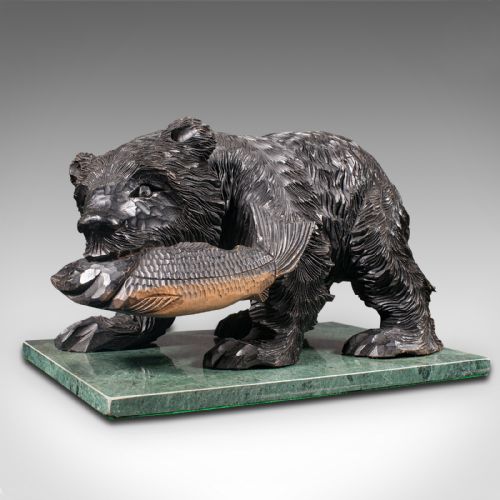
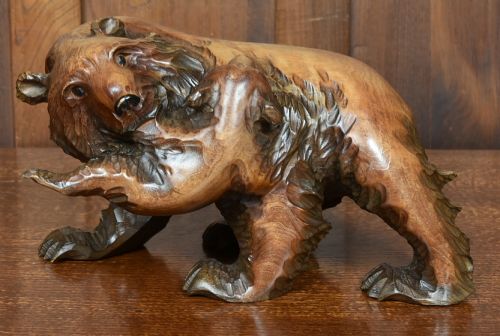
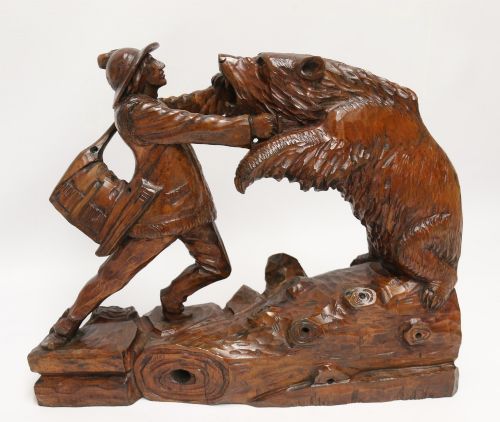
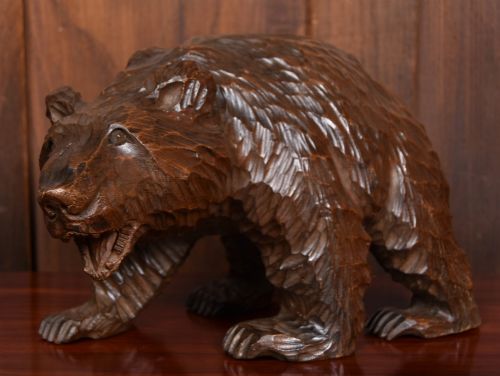
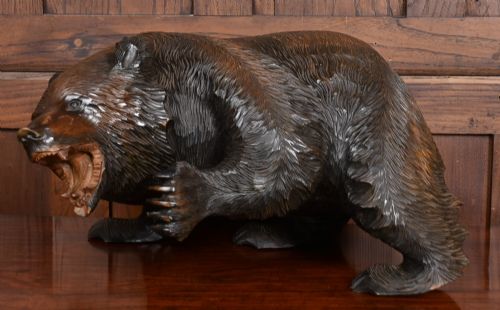
These carved and cast brown bear figure examples range from Black Forest wood carvings to Japanese folk art from the nineteenth century onwards.
Brown Bear Figure
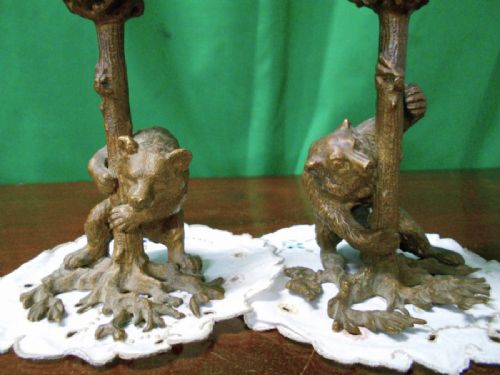
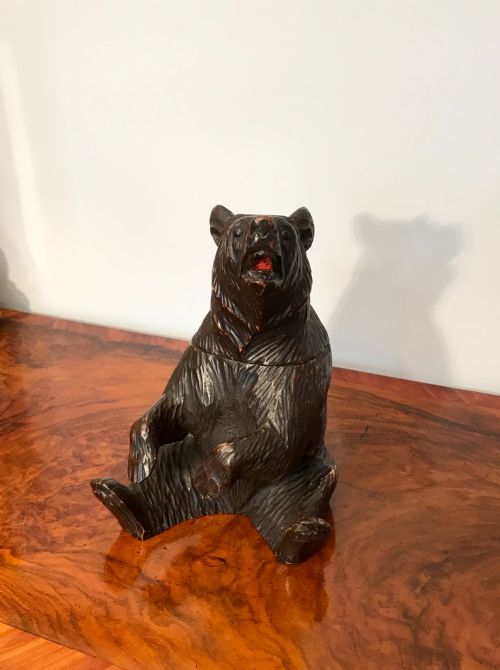
A brown bear figure brings tactile animalier sculpture and regional folk traditions into an interior space, spanning decorative objects, candlesticks and inkstands. You will frequently encounter nineteenth-century Black Forest carved wood pieces and Japanese folk art examples such as cedar kibori kuma.
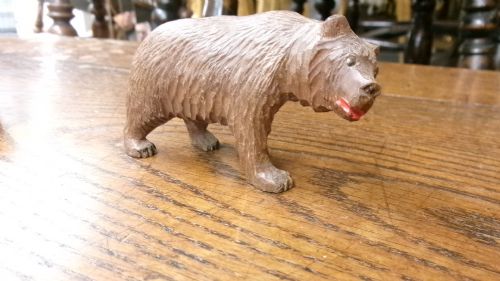
The range encompasses diminutive miniature carvings alongside large linden wood and walnut sculptures, as well as cast bronze statues and stud-eyed novelties. Forms vary from single animals and mother-and-cub figure groups to functional desk accessories.
Materials and construction
Artisans fashioned these sculptures primarily from hardwoods like walnut, linden wood, cedar and general carved wood, applying hand tools to shape fur textures and anatomical details. Some pieces incorporate inset stud eyes to enhance realism.
Foundry-cast bronze serves as the primary medium for metalwork variations, notably in heavier statues and candlesticks, while stone provides a heavier alternative material base.
Brown Bear Figure Retail Price Guide 2026
Typical asking prices for brown bear figure among the pieces listed under this phrase on Sellingantiques today, from the lower quarter to the upper quarter. They describe what is for sale here now, not the wider market.
Listings feature works in carved wood, linden wood, walnut, cedar, bronze and stone, spanning the nineteenth century to the Edwardian era.
Assessing quality and character
Quality rests upon the sculptural depth and expression captured by the maker, distinguishing spirited Japanese folk art and detailed Black Forest animalier work from simpler decorative items. Proportion, naturalistic posture and the crispness of fur carving dictate the visual impact of each sculpture.
The integrity of the material and the preservation of original surface finishes determine the desirability of older wooden and bronze examples.
The Brown Bear Figure Glossary
- Animalier
- Art that faithfully depicts animals, particularly popular in nineteenth-century bronze and wood sculptures. This genre captures realistic anatomy and movement.
- Black Forest
- A style of wood carving originating from the mountainous region of central Europe, famous for bears and woodland fauna. These pieces often utilise linden wood or walnut.
- Kibori Kuma
- Japanese wood-carved bear figures originating as folk art, notably from Hokkaido. These items often display distinct regional carving techniques.
- Inkstand
- A desk accessory fitted with inkwells and pen rests, occasionally incorporating carved bears or bronze figures. Such functional objects were common in the nineteenth century.
Brown Bear Figure: Frequently Asked Questions
What materials were used?
Carvers utilised various timbers including walnut, linden wood, cedar and general carved wood to shape these sculptures. Foundries also cast heavier pieces in bronze alongside occasional stone examples.
Stud eyes and other small elements were sometimes added to enhance the realism of wooden animalier carvings.
Where did these pieces originate?
The listings show a strong representation of European Black Forest work alongside Japanese folk art traditions such as kibori kuma. Regional workshops produced these items throughout the nineteenth and early twentieth centuries.
Makers across different continents developed distinct carving styles to portray the bear.
How were they used?
Many examples served purely as decorative sculptures, mantelpiece ornaments or miniature collections. Others had practical uses such as candlesticks or desk inkstands.
Owners integrated these figural objects into domestic interiors as both art and functional accessories.
How can I tell the periods apart?
Nineteenth-century and early twentieth-century pieces display specific regional carving characteristics, tool marks and material choices. Stylistic traits range from European animalier realism to Japanese folk art expressions.
Examining the wood species and construction methods helps contextualise the date of execution.