
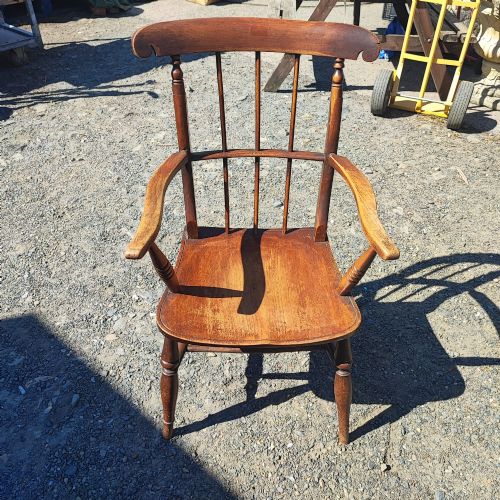
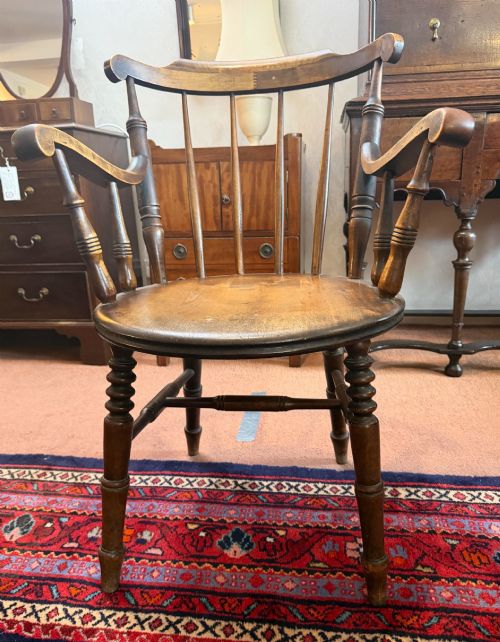
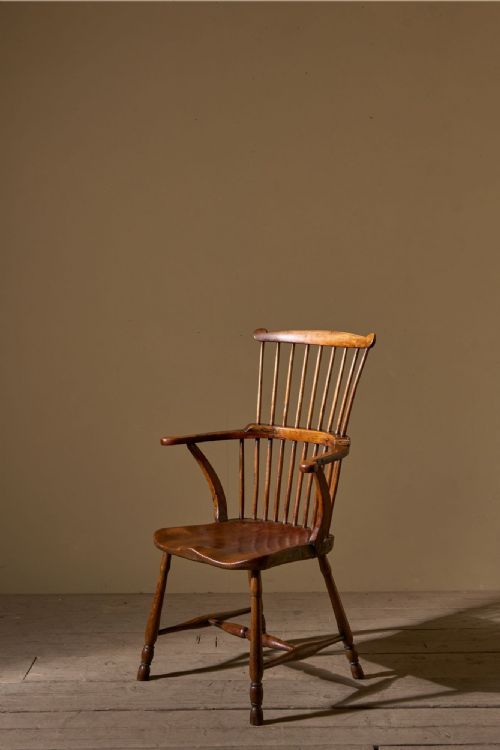
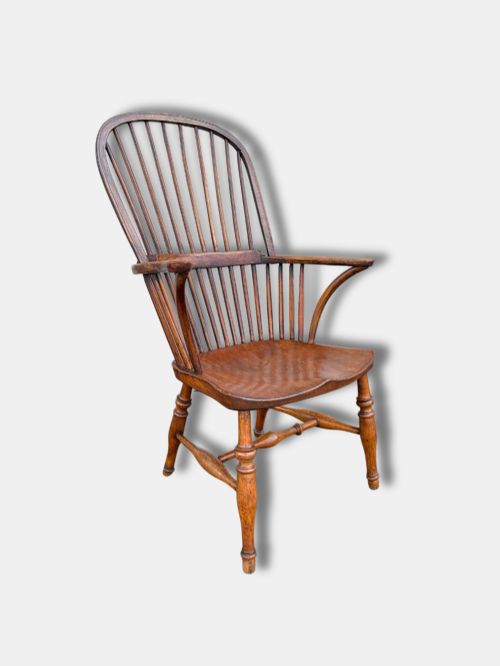
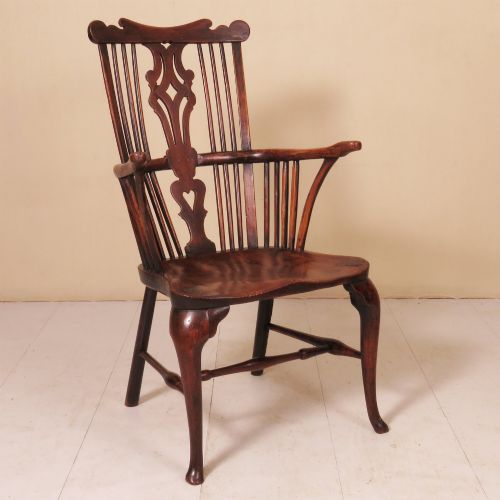
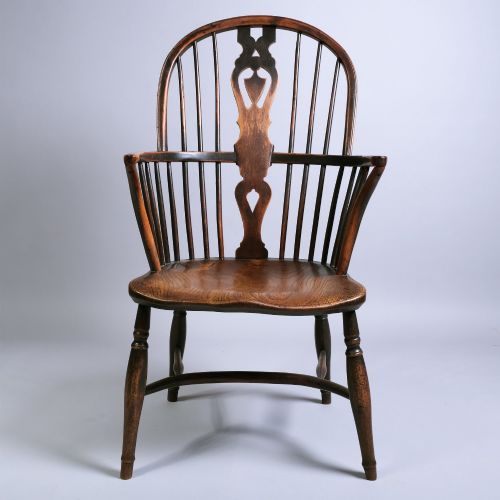
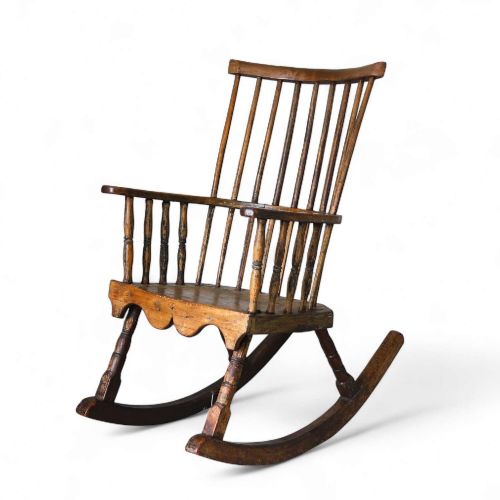
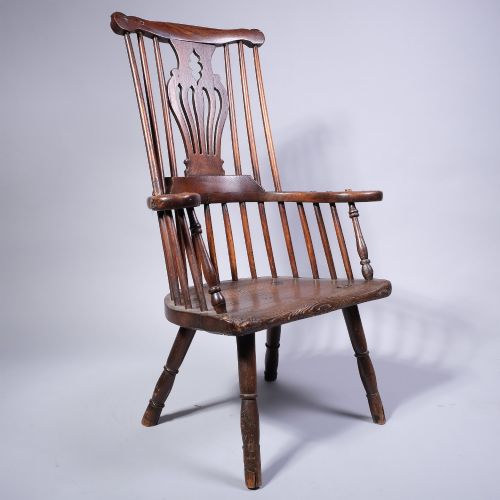
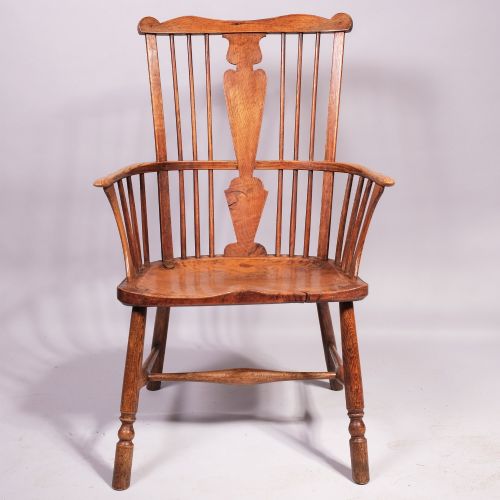
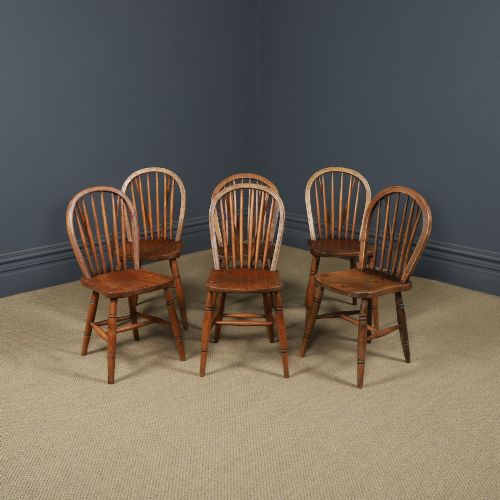
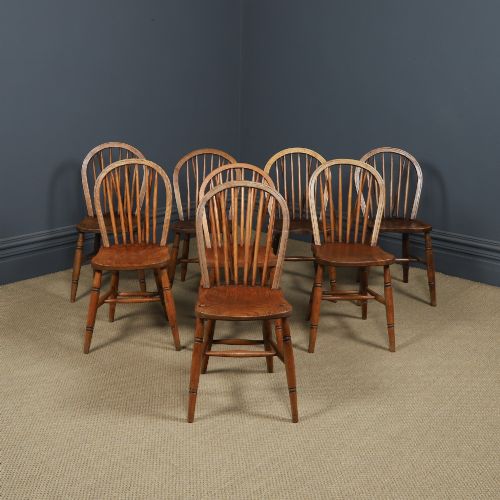
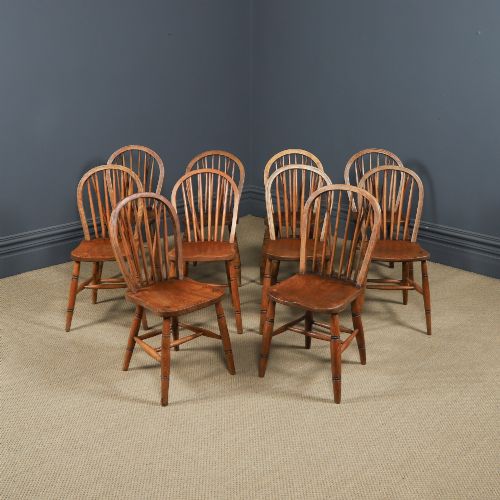
Brown Ash Windsor Chair
A brown ash windsor chair is a sturdy vernacular seat built to last generations, combining local timber with functional grace.
Brown Ash Windsor Chair
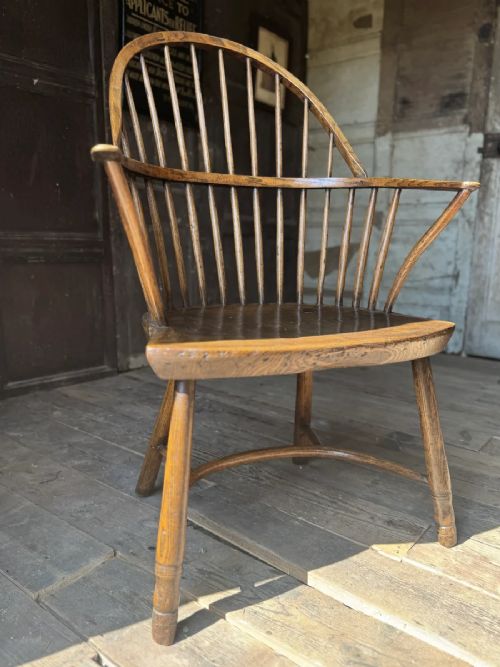
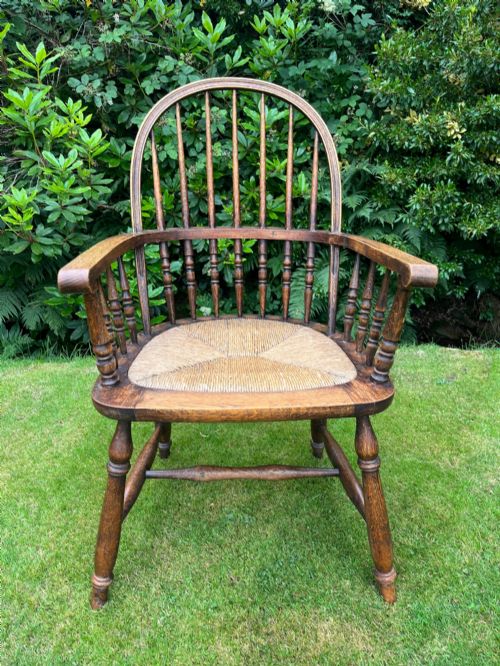
A brown ash windsor chair brings traditional rural seating into domestic spaces, appearing in forms from low-back armchairs to tall comb-backs. The pieces on this page span several centuries, with particular strength in eighteenth and nineteenth-century examples.
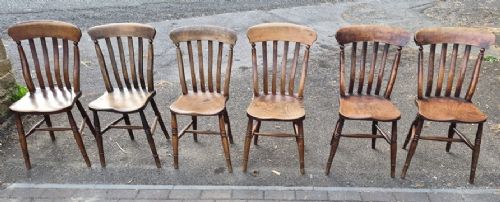
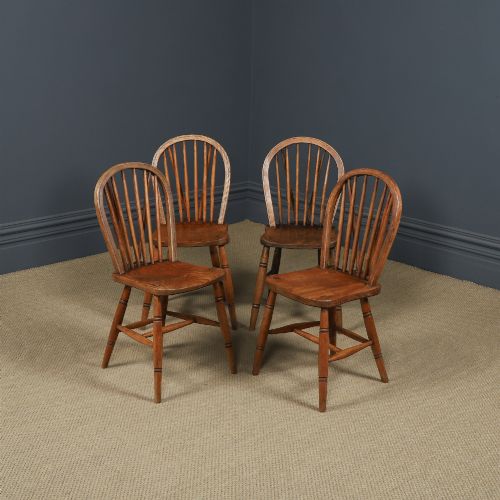
Makers shaped these chairs for daily utility in kitchens, farmhouses, and writing rooms. Buyers encounter single armchairs, matched dining sets, and rocking variants originating from English counties and regional workshops.
How They Were Made
Cabinet makers and bodgers relied on ash for strong bentwood hoops and spindles, combining it with elm for sculpted seats and beech or sycamore for turned components. This multi-timber construction exploited the specific mechanical strengths of each wood.
Traditional construction utilised steam-bending for the back rails and wedge-tenon joints to secure the legs directly into the solid timber seat slab.
The listings on this site span the eighteenth, nineteenth, and early twentieth centuries, dominated by ash and elm.
What Varies in Quality
The sophistication of the turning on the legs and stretchers distinguishes utilitarian workshop output from finer regional pieces. Well-balanced proportions in the comb or hoop back determine the visual harmony of the chair.
The depth of the saddle shaping in the elm seat and the integrity of the original wedged joints define the structural standard of surviving examples.
Duncan McKellar of Fenwick·Fred Walker Rockley·Fred Walker
The Brown Ash Windsor Chair Glossary
- Comb back
- A Windsor chair style featuring a distinct top rail resembling the spine of a comb, with vertical spindles rising through the arm rail. This design provides robust upper back support.
- Hoop back
- A continuous bentwood bow forming the back and arms of the chair in a single flowing arc. It distributes pressure evenly across the upper frame.
- Crinoline stretcher
- An arched underframe connecting the legs of a Windsor chair to provide rigidity. The curved metal or wooden brace prevents the legs from splaying outward under heavy loads.
- Smokers bow
- A low-backed Windsor armchair with a rounded continuous arm rail and turned spindles, commonly found in nineteenth-century settings. It offers a compact footprint and supportive armrests.
Brown Ash Windsor Chair: Frequently Asked Questions
What is a brown ash windsor chair?
A brown ash windsor chair is a traditional wooden seat featuring a solid sculpted timber base with turned legs and an open spindle back.
These chairs developed as functional vernacular furniture in rural workshops across Britain during the eighteenth and nineteenth centuries.
How were these chairs used historically?
They served as practical seating around farmhouse dining tables, in studies, and beside hearths for daily domestic life.
Their robust construction made them versatile enough for heavy manual tasks or relaxed seating in busy kitchens.
How do I care for a historic windsor chair?
Keep the wood nourished by applying traditional beeswax periodically to maintain the natural moisture and rich grain of the ash and elm.
Position the chair away from direct heat sources and sudden temperature fluctuations to prevent the timber from splitting.
How do I identify an 18th-century model?
Eighteenth-century examples often feature comb-back configurations with deep saddle seats and thicker, hand-shaped spindles.
Construction details like pegged joints and patinated timber surfaces help distinguish earlier vernacular pieces from later Victorian reproductions.