

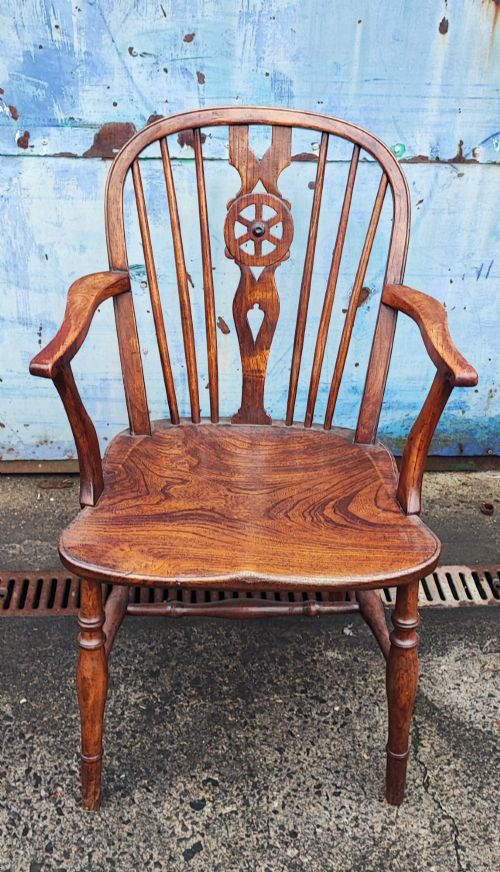
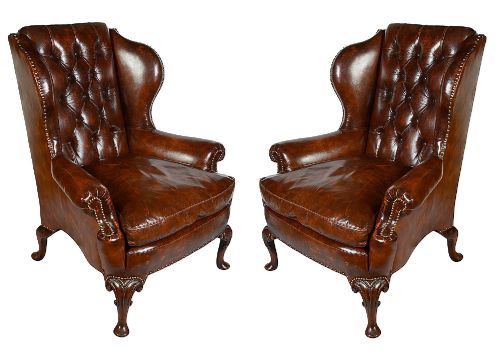
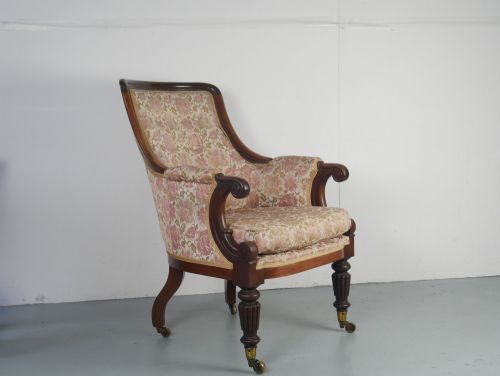
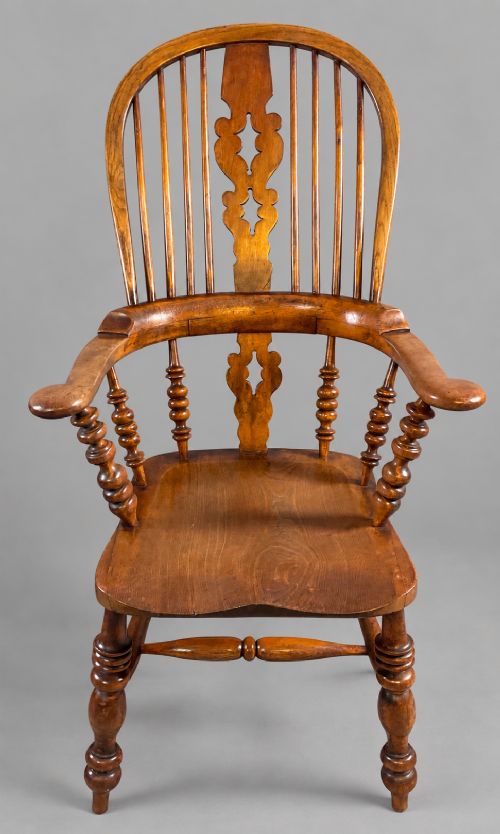
Brown Arm Chair
A brown arm chair brings solid timber frames and deep tones into a room, offering a seat built for the library, study or hearth.
Brown Arm Chair
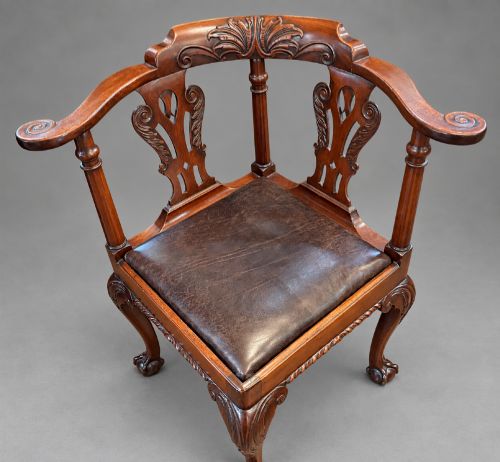
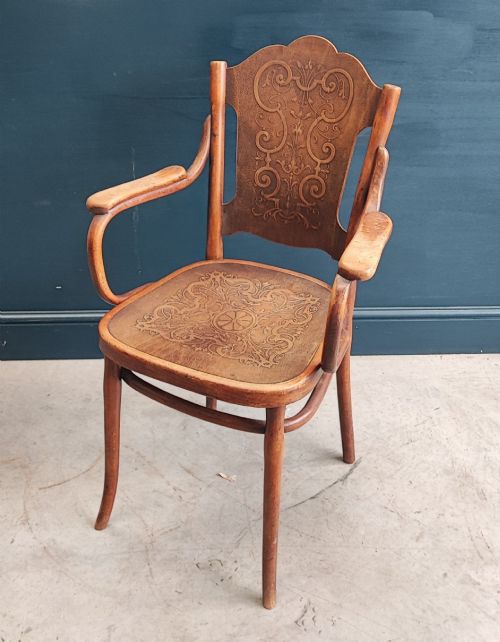
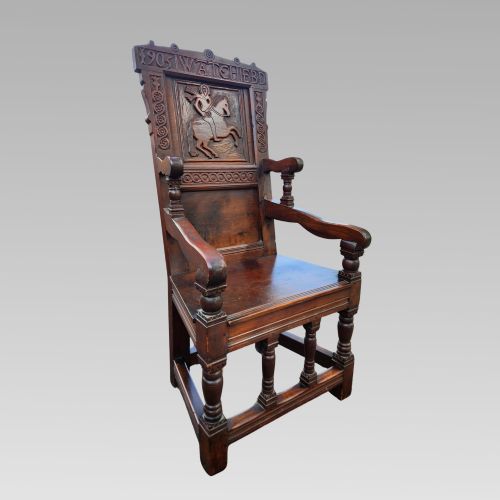
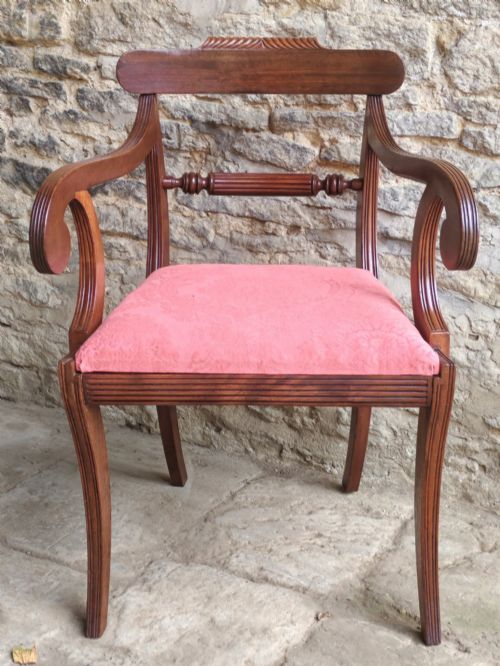
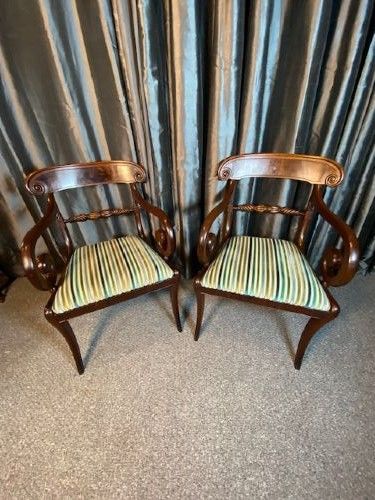
A brown arm chair spans centuries of domestic seating, from formal Georgian library seats to robust oak country models. These pieces provide substantial arm support and upright or reclined postures tailored for reading, working or resting.
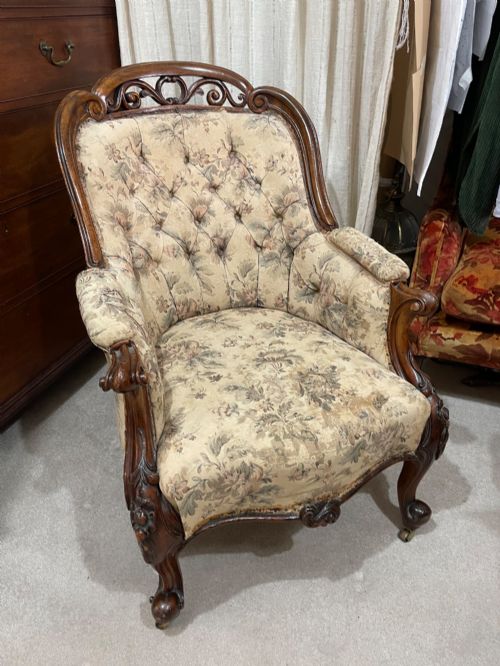
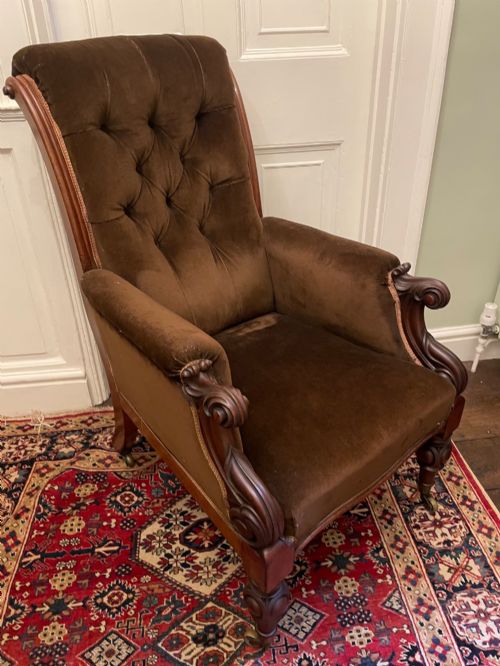
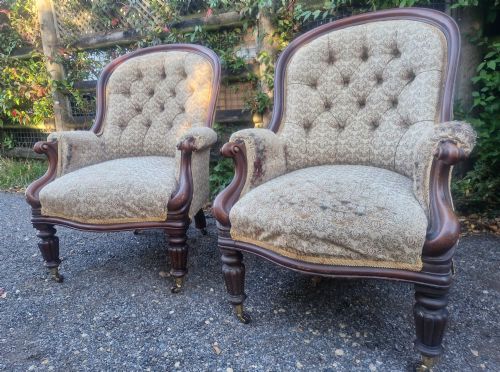
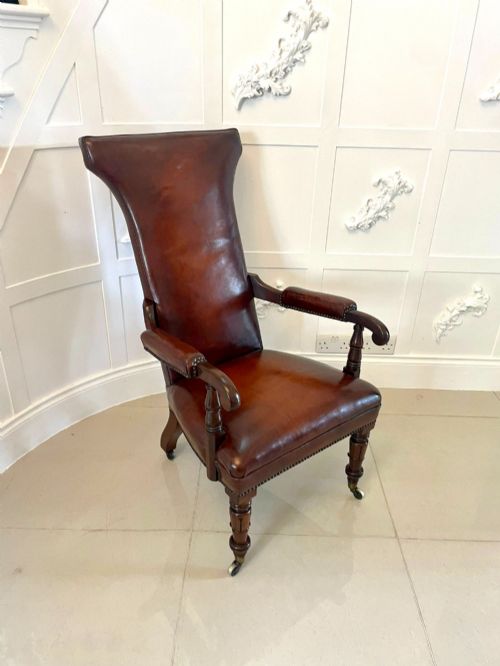
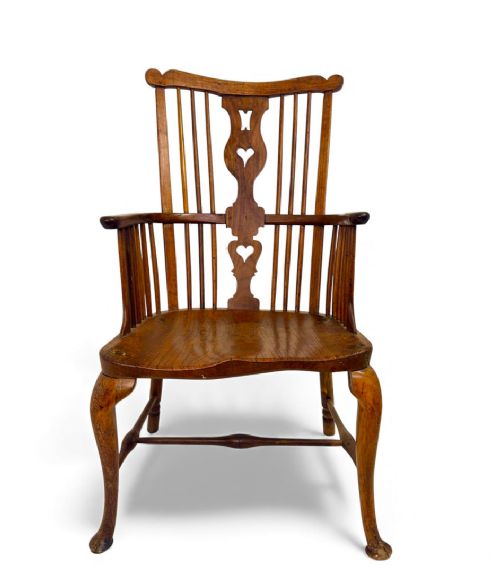
Victorian and Regency examples appear most frequently, constructed in rich timbers like mahogany and walnut with leather, fabric or velvet upholstery. Buyers encounter everything from swivel desk chairs to low tub seats and sturdy vernacular elm armchairs.
Materials and Construction
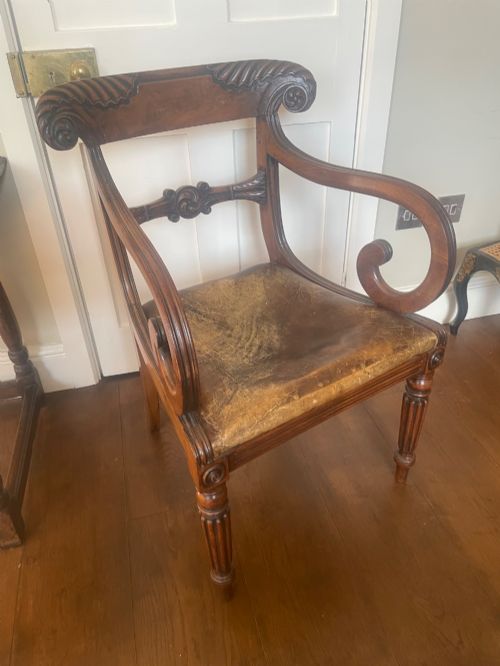
Makers utilised dense hardwoods including mahogany, oak, elm and walnut to build durable frames, often shaping supports with carved details, turnings or reeded edges. Brass fittings and castors frequently appear on heavy library and desk chairs.
Upholstery methods rely on traditional stuffing and buttoning secured through leather, horsehair fabric or velvet coverings. Joinery ranges from pegged mortise and tenon joints in country models to refined cabinetwork in formal library seating.
Brown Arm Chair Retail Price Guide 2026
Typical asking prices for brown arm chair among the pieces listed under this phrase on Sellingantiques today, from the lower quarter to the upper quarter. They describe what is for sale here now, not the wider market.
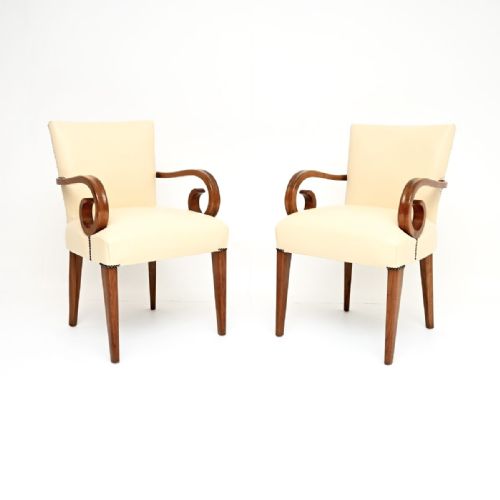
The listings span from 17th-century Italian designs to 1930s Art Deco pieces, utilising mahogany, walnut, oak, elm, laburnum, brass and leather.
Standards of Quality
The distinction between ordinary and exceptional work rests on the crispness of the timber carving and the integrity of the structural joinery. Finer pieces demonstrate careful selection of grain in woods such as mahogany and walnut.
Original upholstery methods and period leather surfaces elevate a piece above later replacements. Proportions and weight also signal origin, as heavy, well-balanced frames indicate superior timber selection.
Giles Grendey·Andrea Brustolon
The Brown Arm Chair Glossary
- Carver chair
- An armchair designed to match a set of dining chairs, usually placed at the head of the table. These feature open arms and matching leg styles.
- Library armchair
- A sturdy upholstered seat designed for prolonged reading, frequently finished in dark leather and heavy mahogany. These pieces prioritise deep padding and substantial armrests.
- Tub chair
- An armchair featuring a continuous curved back and arms that form a single rounded enclosure. This shape offers compact support.
- Turners chair
- A heavy wooden chair constructed entirely from cylindrical turned spindles and posts. These follow traditional 17th-century methods.
- Reeded
- A decorative moulding formed of parallel convex strips carved directly into the timber. This technique appears frequently on Regency legs and arm supports.
Brown Arm Chair: Frequently Asked Questions
How do I date an antique brown arm chair?
Dating relies on identifying the primary timber, tool marks, joinery methods and upholstery style characteristic of specific periods like the Georgian or Victorian eras.
Changes in leg shapes, such as reeded Regency styles or heavy Victorian cabriole supports, offer further clues to the decade of manufacture.
Were these chairs used for dining or reading?
Armchairs served multiple domestic functions depending on their build, ranging from formal dining carvers to heavy library and desk chairs meant for study.
Lower tub chairs and Windsor models were placed in parlours and morning rooms for casual seating and relaxation.
Are leather and wood finishes original?
Many antique armchairs retain their original timber patina, though leather upholstery and padding frequently undergo replacement during conservation.
Examining the underside and tack holes helps determine whether the current covering dates to the period of the wooden frame.
How do I care for antique wood and leather?
Timber frames benefit from occasional waxing with natural beeswax to maintain the moisture and polish of the grain without heavy chemical buildup.
Leather upholstery requires gentle cleaning and specialised conditioning to prevent cracking while preserving the natural ageing and tone.