
Brown Apothecary Chest
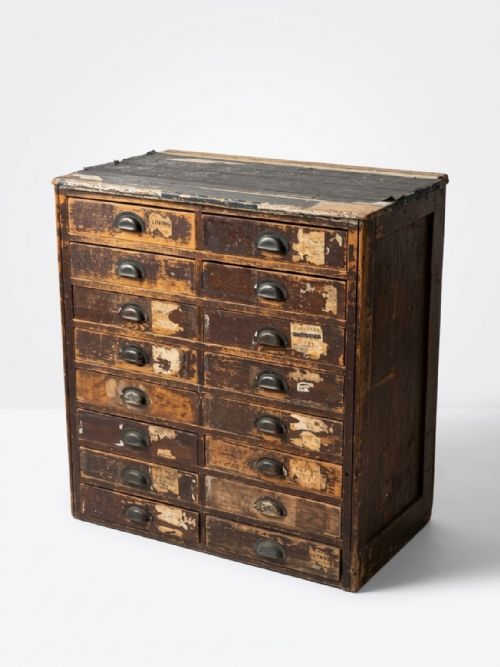
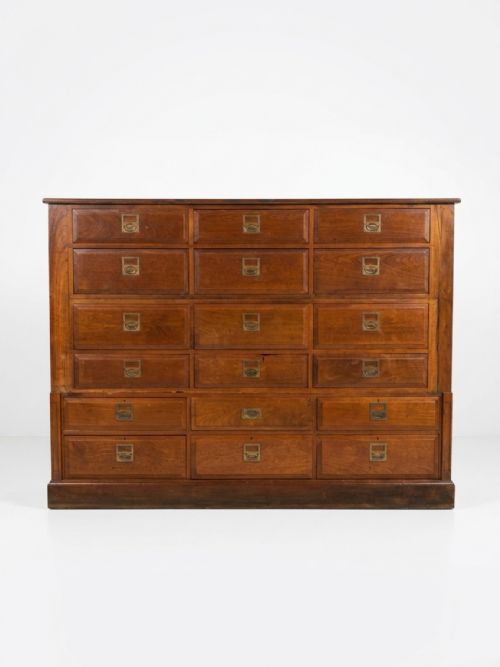
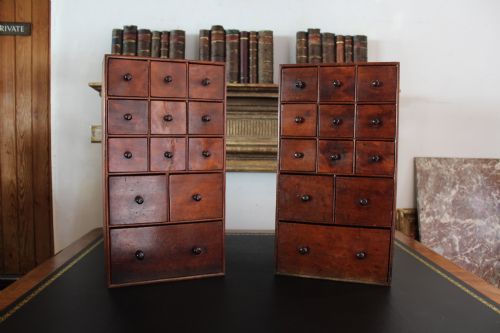
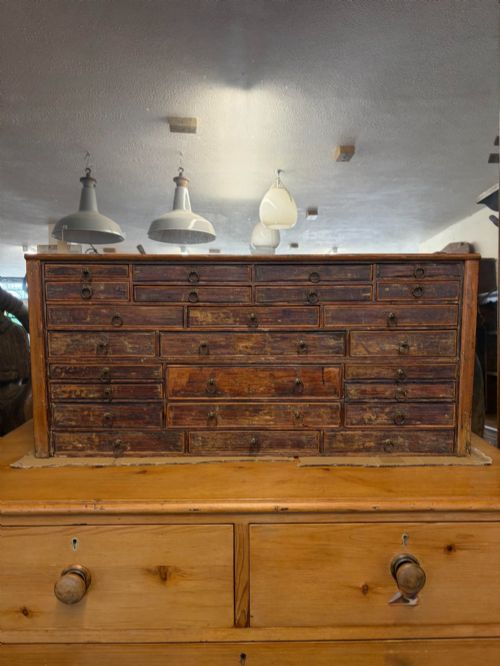
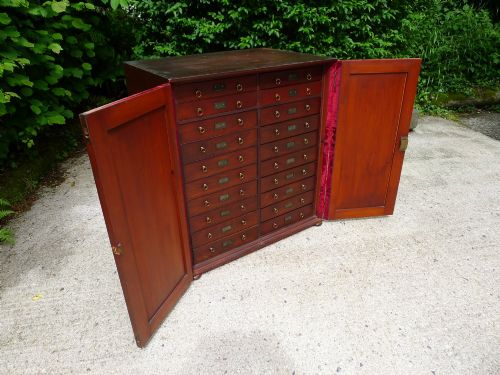
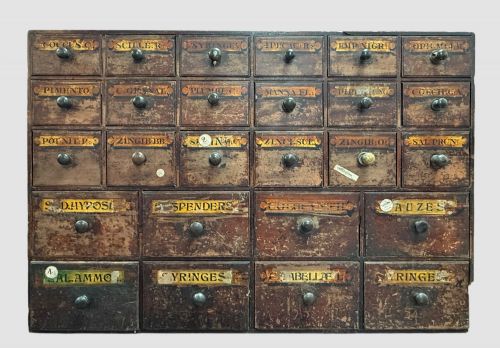
A brown apothecary chest holds small drawers and compartments designed for medicines, herbs, and specimens during past centuries.
Brown Apothecary Chest
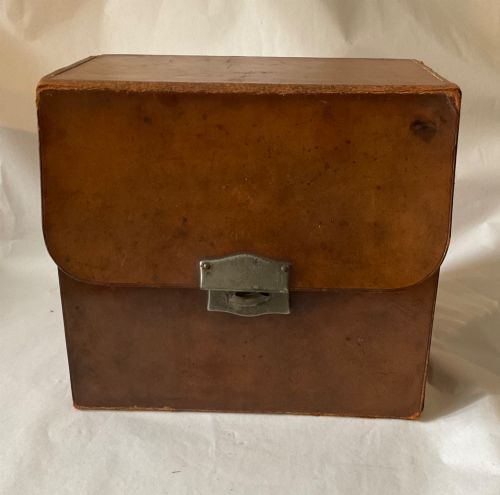
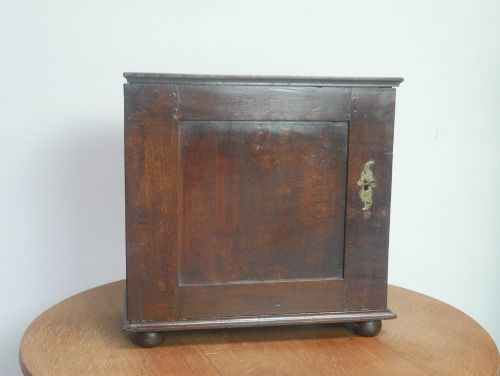
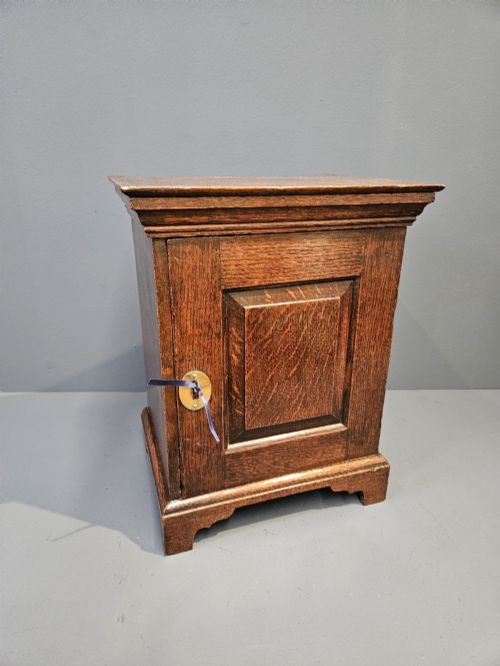
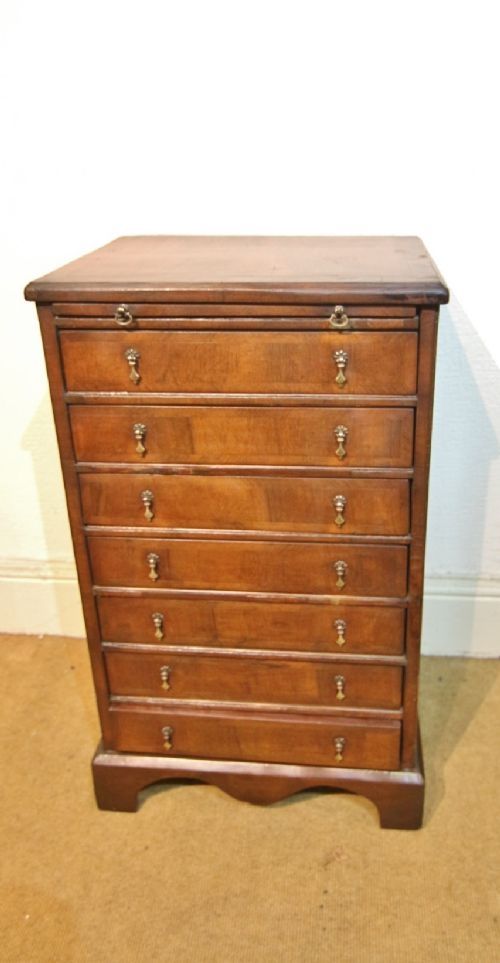
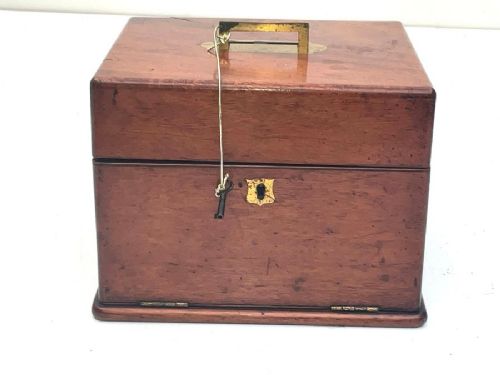
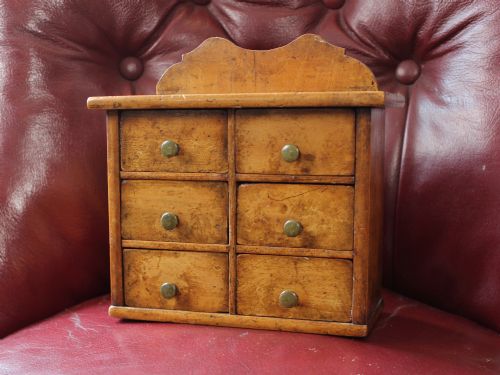
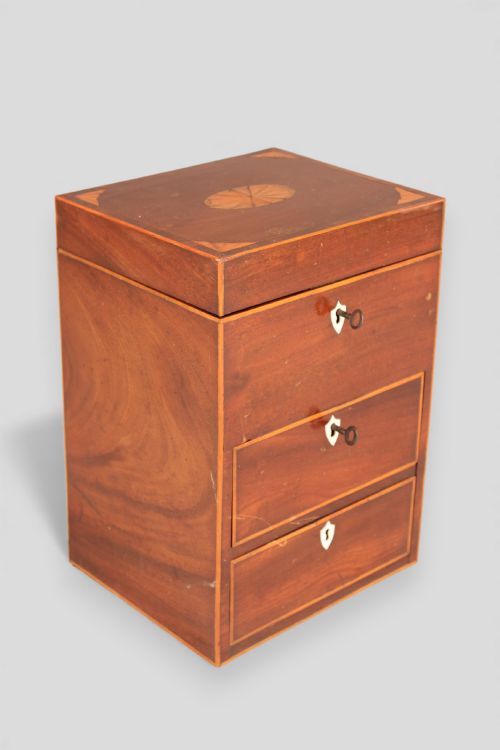
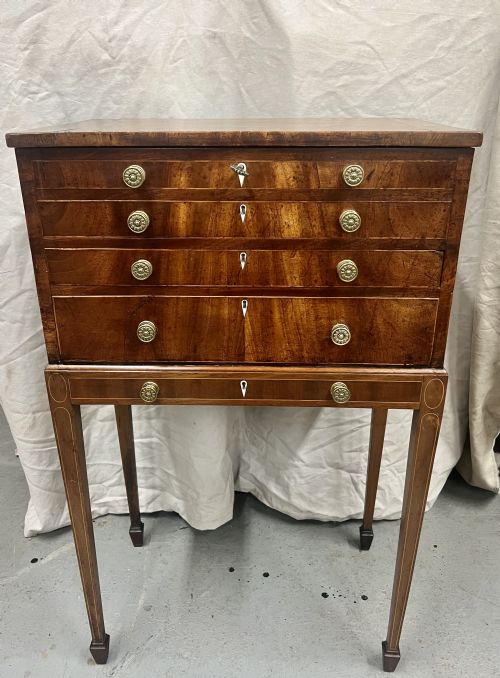
A brown apothecary chest brings compact multiple-drawer storage into domestic or shop spaces, often taking the form of spice cupboards, banks of drawers, or portable boxes. These pieces range from Georgian oak and mahogany examples to Victorian and Edwardian specimen or pharmacy cabinets.
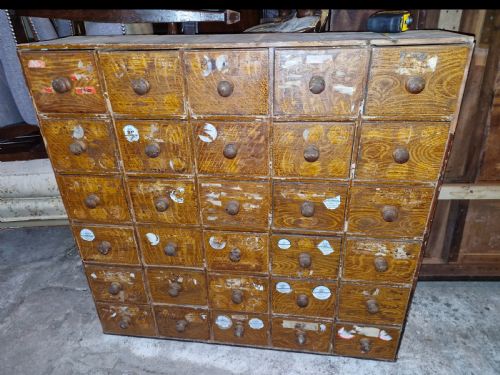
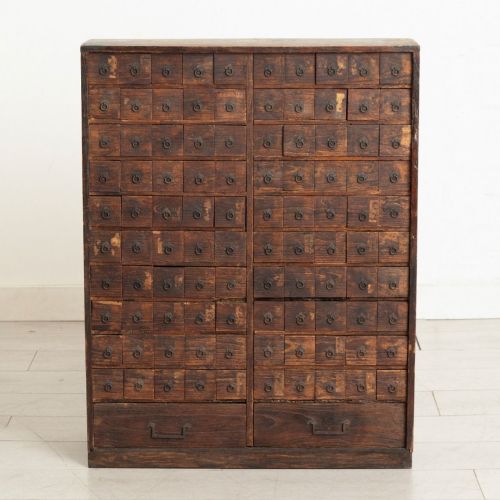
Buyers seeking a brown apothecary chest encounter formations such as tall banks of small drawers, wall-hanging spice boxes, and glass-fronted display cabinets. Origins span English workshops alongside international variants including Japanese, Chinese, and Korean cabinets.
The utility of these items historically involved sorting remedies, botanical samples, and small implements. Today they serve practical sorting roles in modern interiors while retaining their original compartmented layouts.
Materials and construction
Timbers such as mahogany, oak, walnut, pine, and fruitwood provide the structural integrity for these pieces, finished with polished wood surfaces or stained deal. Cabinetmakers joined frames using traditional techniques suited to heavy daily use in pharmacies and domestic stores.
Brass handles, pulls, and campaign-style carrying fittings complement the timber construction, particularly on portable boxes and apothecary cases. Glass appears in panels on specialised display cabinets and chemist storage units designed to showcase contents.
Watch and clock repairers borrowed apothecary drawer formats to keep tiny ticking parts from rolling away.
Evaluating craftsmanship and condition
The refinement of the drawer joints and the selection of figured timbers distinguish finer cabinetwork from utilitarian workshop storage. Well-proportioned cornices, original brass hardware, and clean interior partitions elevate the standing of a piece.
Depth of patina on the wood surface and the retention of original organizational labels or contents separate well-preserved examples from heavily altered or later assembled items.
Luxmore of Ilfracombe·D Napier and Sons
The Brown Apothecary Chest Glossary
- Apothecary box
- A portable container fitted with internal compartments and glass bottles for carrying medicines. These travel cases often feature brass lifting handles and secure locking mechanisms.
- Bank of drawers
- A multi-drawer cabinetry unit designed for organising large quantities of small items. They appear frequently in commercial pharmacy and workshop contexts.
- Spice cupboard
- A small wall-hanging or table-top wooden cabinet housing multiple miniature drawers for culinary herbs and dry ingredients. Early examples often date to the Georgian and 1700 periods.
- Specimen chest
- A specialised cabinet built to house natural history collections, fossils, or small artefacts. The internal shallow drawers protect delicate items.
- Deal
- A British term for softwood timber, typically fir or pine, utilised extensively for utilitarian 19th-century cabinetry and secondary drawer linings.
Brown Apothecary Chest: Frequently Asked Questions
What were brown apothecary chests used for?
These chests stored medicines, powders, herbs, and small medical instruments in pharmacies, doctor surgeries, and wealthy households. Their numerous small drawers kept disparate botanical ingredients organised and segregated.
Over time, many found secondary uses in workshops and home studies for sorting small hardware, specimens, and writing materials.
How do I tell a Georgian chest from a Victorian one?
Georgian chests generally feature understated timber grains, bracket or plinth feet, and simpler classical proportions in oak or mahogany. Drawer construction typically employs hand-cut dovetails with subtle secondary woods.
Victorian pieces often introduce darker polished finishes, glass doors, brass campaign handles, and greater variety in exotic timbers as global trade expanded.
Are apothecary chests and spice cupboards the same thing?
While both feature multiple small drawers housed within a wooden exterior, spice cupboards were traditionally built for domestic kitchens to hold culinary items. Apothecary chests served medical and chemical storage functions.
Their physical forms overlap considerably, leading to interchangeable terminology among dealers and collectors today.
How can I integrate a multi-drawer chest into modern rooms?
The numerous small drawers make these chests ideal for organising desktop stationery, jewellery, craft supplies, and collection items. Their compact footprints allow placement on tabletops, sideboards, or directly on the floor as standalone storage.
Placing them in studies, hallways, or kitchens provides functional surface area alongside compartmentalized storage.