


Brown Print
When you search for brown antique print, you look for framed paper works and maps held in wood or oak.
Brown Print
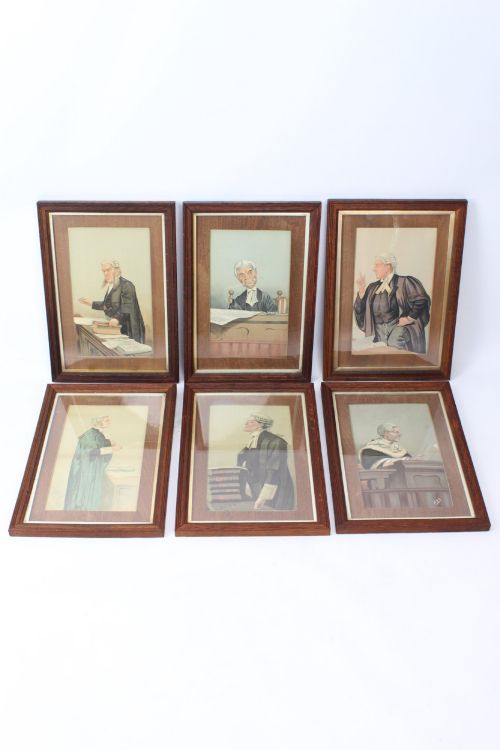
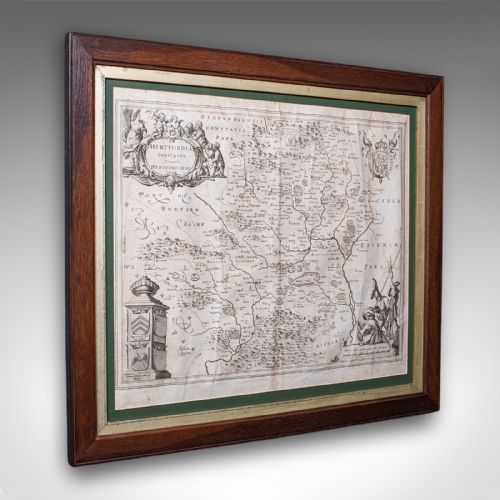
A brown antique print brings together historic imagery on paper, spanning centuries of graphic output and cartography. When you search for brown antique print, you encounter framed wall art, maps, and engravings carrying rich sepia and ochre tones. These pieces range from Georgian road maps and Dutch cartography to Victorian seascapes and Edwardian caricature sets.
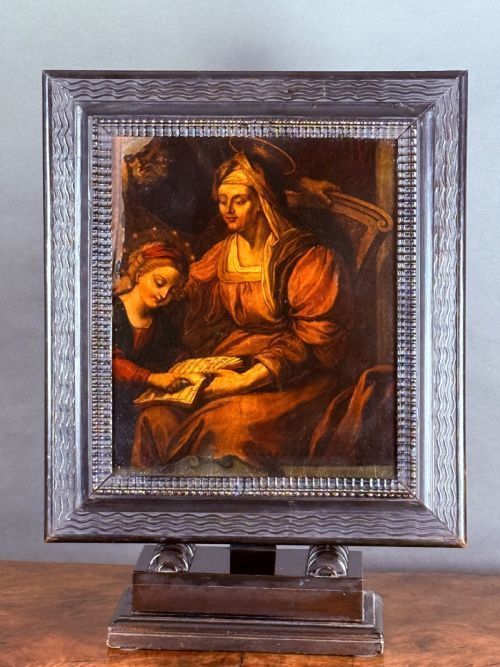
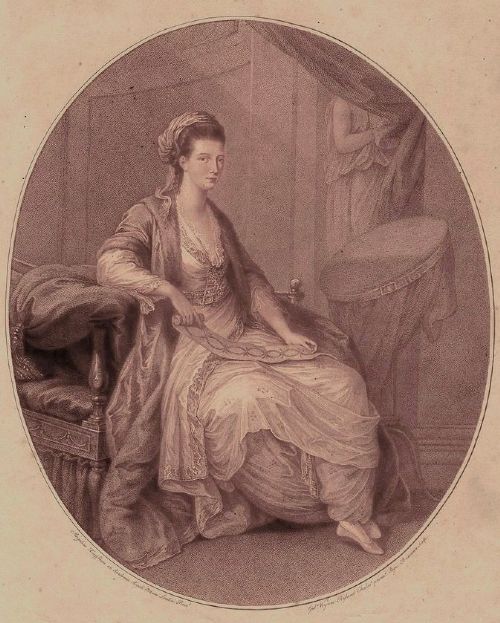
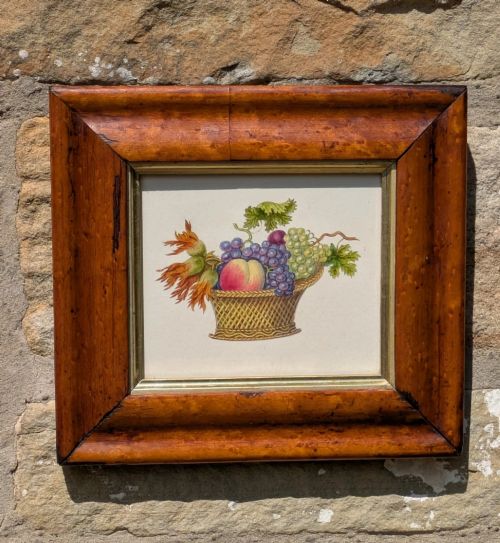
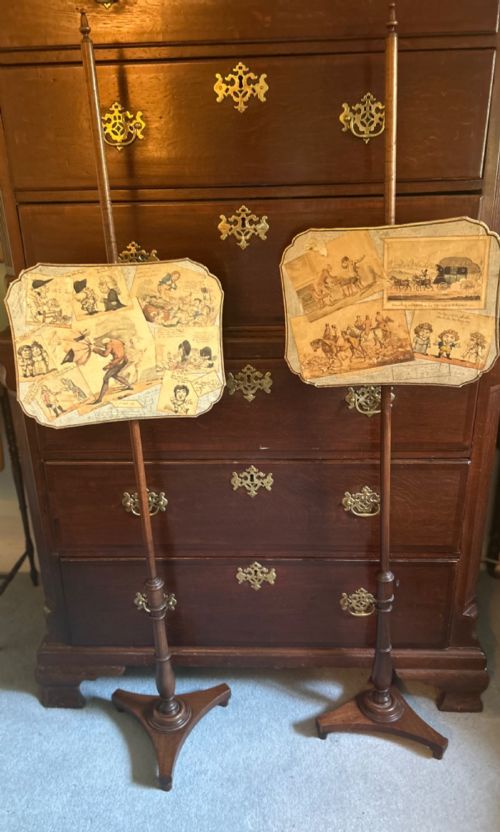
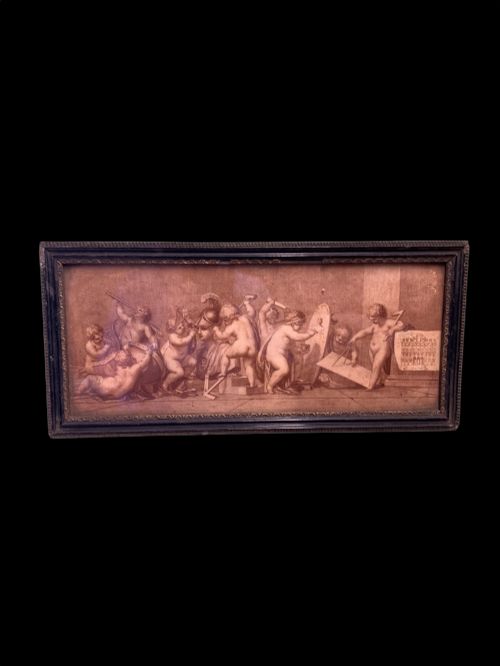
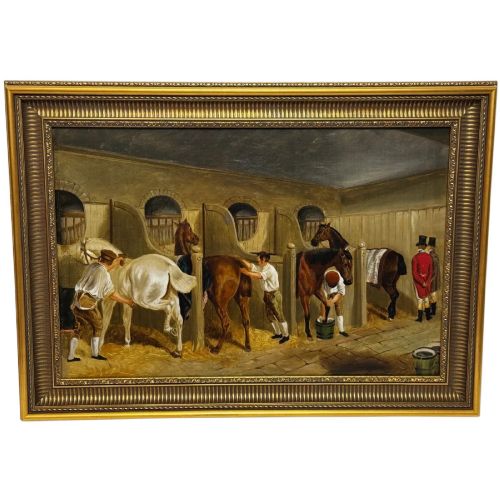
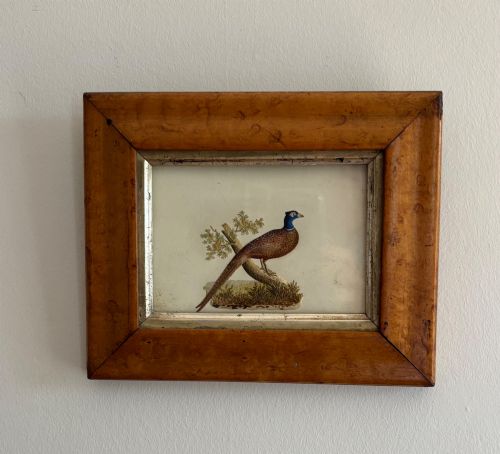
The selection on this page relies heavily on paper items housed in oak, mahogany, or brass frames. You meet hand-coloured copper engravings, reverse glass mezzotints, and chromolithographs depicting domestic scenes, equine portraits, and foreign landscapes. Each format reflects the prevailing visual tastes of its specific period, from Georgian classicism to Victorian realism.
Materials and construction
The physical backbone of these works combines paper with ink, watercolour, and occasionally gouache. Makers applied ink through copper engraving plates, lithographic stones, or woodblocks onto rag paper, sometimes adding hand-applied watercolour washes. Many pieces retain their original wooden frames, constructed from oak or mahogany to protect the fragile paper within.
Protective glazing often consists of historic sheet glass held in place by traditional backing boards and brass fixings. The chemical composition of early inks and paper fibres naturally yields the warm brown patination that defines the category today.
Cats, pugs, and garden birds frequently share wall space with stern cartographers and historical battle scenes.
Assessing quality and execution
Quality rests upon the crispness of the original impression and the skill of any subsequent hand colouring. Early strikes from copper plates show sharp, deep lines without the blurring seen in worn plates or later reproductions. The nuance of tone across sepia and monochrome inks dictates the visual depth of the image.
The integrity of the frame and the preservation of the paper support further separate standard pieces from finer examples. Original period frames and uncompromised paper margins indicate a higher degree of historical survival and careful stewardship.
Samuel Dixon·David Roberts·Carl Haag·Herbert Ashwin Budd·Louis Haghe
The Brown Print Glossary
- Engraving
- A printmaking technique where an artist cuts lines directly into a metal plate with a sharp tool. The resulting plate holds ink within the grooves to transfer a sharp image onto paper.
- Lithography
- A planographic printing process based on the repulsion of oil and water on a stone or metal surface. It allowed artists to produce detailed tonal illustrations and hand-coloured plates.
- Mezzotint
- A tonal printmaking method where the copper plate is roughened uniformly to produce dark areas, then scraped to create lighter tones. This process yields rich velvety darks and subtle gradients.
- Cartography
- The study and practice of making maps. Antique examples often feature decorative cartouches, hand-tinted borders, and topographical details engraved on paper.
- Chromolithography
- A colour lithographic printing technique using multiple stones, one for each colour applied. It became the primary method for mass-producing colourful illustrations in the nineteenth century.
Brown Print: Frequently Asked Questions
What periods do these prints cover?
The works span from the seventeenth century through the Georgian and Victorian eras up to the early twentieth century. This covers seventeenth-century Dutch cartography, eighteenth-century engravings, and nineteenth-century lithographs.
Later Victorian and Edwardian examples sit alongside these earlier works, reflecting shifting tastes in domestic wall art and documentary illustration across four centuries.
How should I care for antique paper?
Antique paper demands protection from direct sunlight and high humidity to prevent fading and foxing. Keep framed pieces away from strong heat sources and damp exterior walls.
Use professional framing services utilising acid-free mounts and UV-filtered glass if conservation framing is required for long-term display.
Are these works original period pieces?
The listings comprise period productions created during the dates attributed to each maker, cartographer, or publisher. Technical markers such as plate marks and paper type confirm their period origin.
Each item reflects the printing technology and aesthetic standards of its specific decade, distinguishing original print runs from modern reproductions.
What subjects are most common?
Subject matter ranges widely across topography, portraiture, natural history, and sporting scenes. You find antique county maps, coaching routes, and Caribbean charts alongside horse racing and genre paintings.
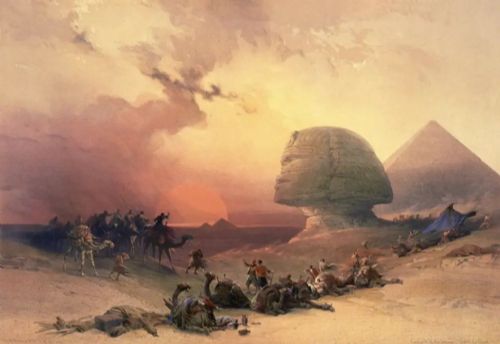
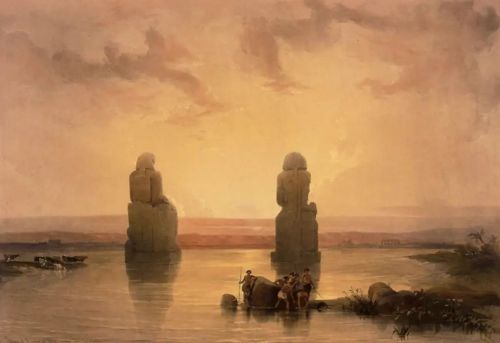
Architectural studies and foreign landscapes, particularly from Near Eastern travels, also form a significant portion of the available imagery.