



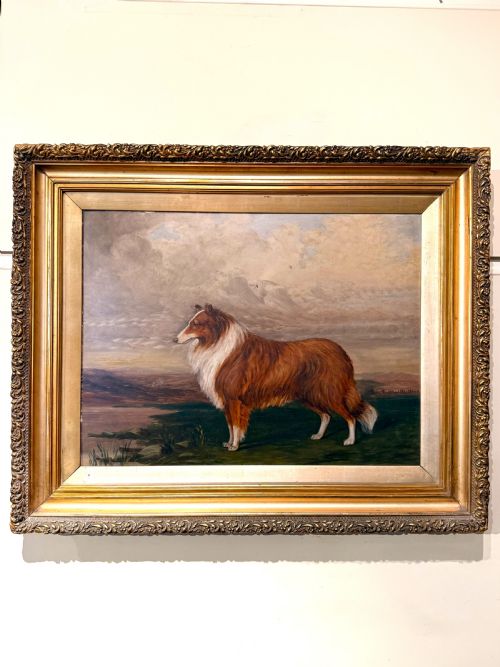
Brown Portrait
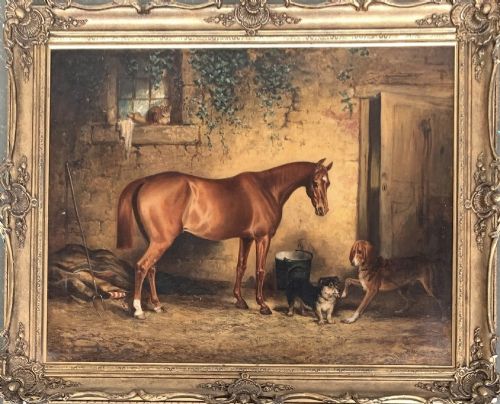
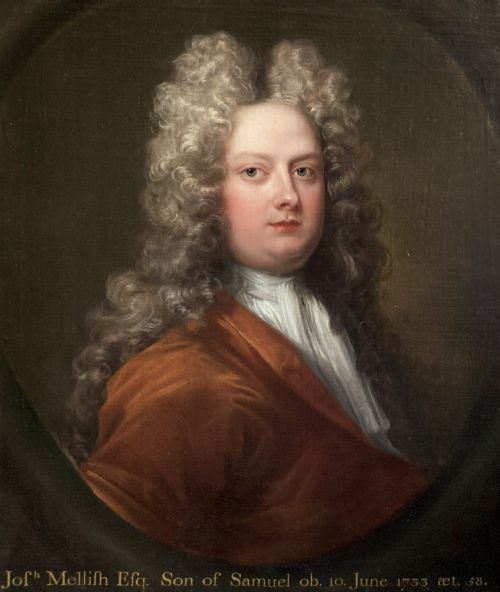
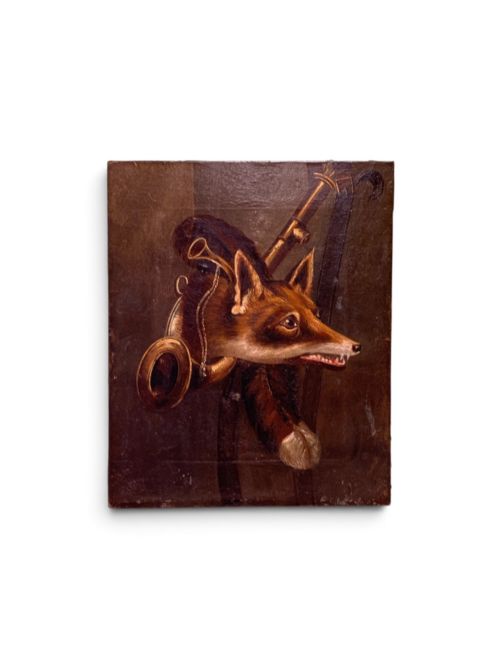
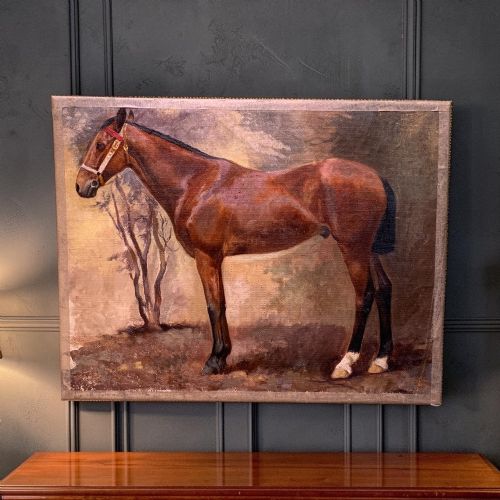
A brown antique portrait captures centuries of human and animal likenesses through rich, darkened varnishes and deep oil pigments.
Brown Portrait
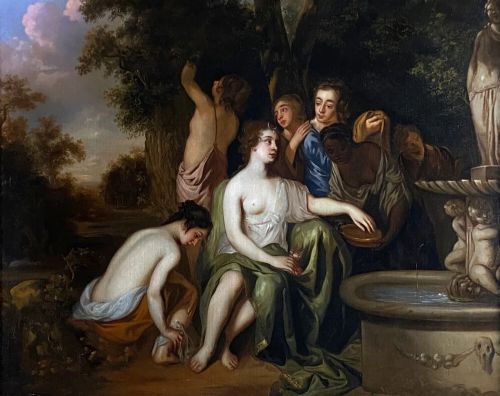
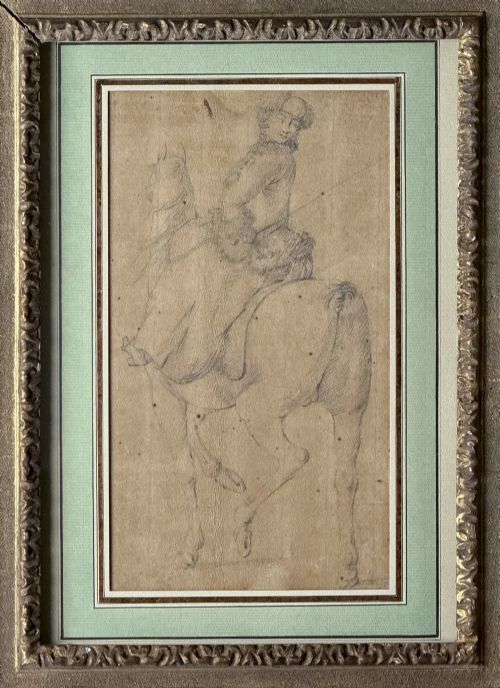
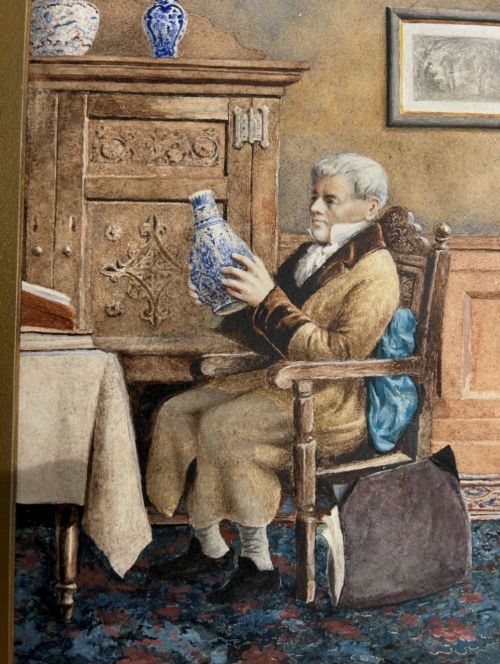
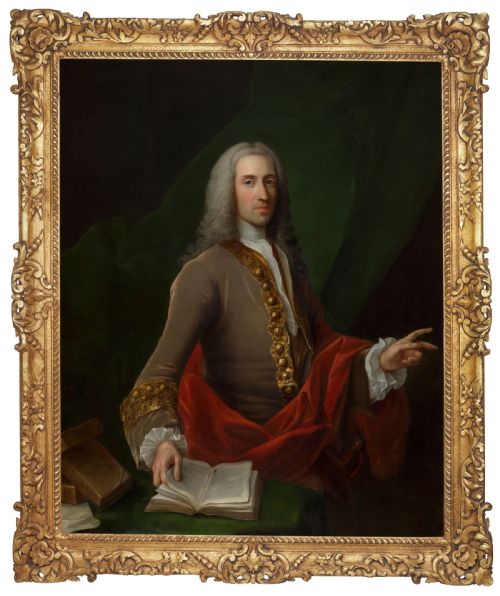
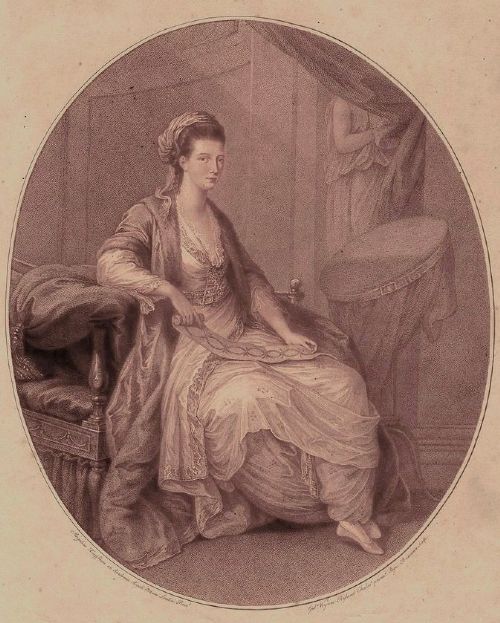
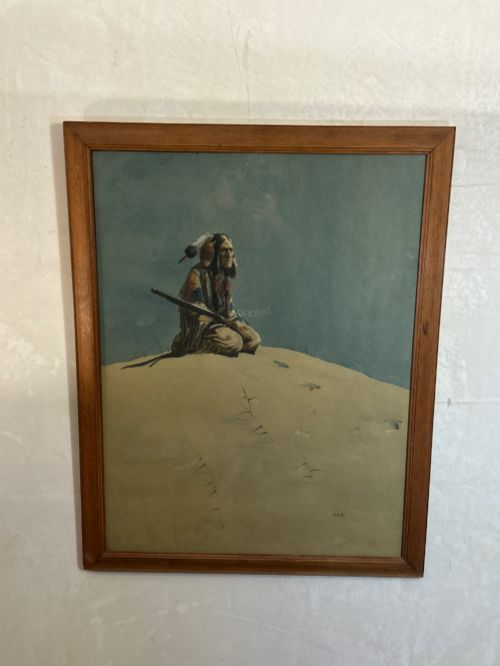
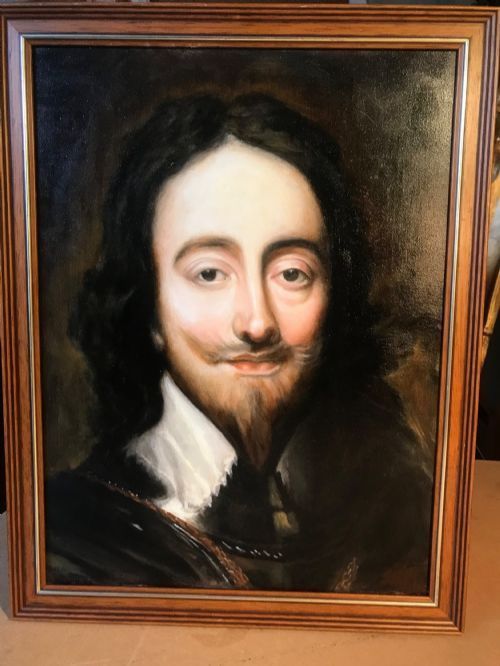
A brown antique portrait brings together historical likenesses, animal studies, and classical subjects executed across the seventeenth, eighteenth, and nineteenth centuries. Buyers searching for a brown antique portrait encounter oil paintings on canvas and panel, alongside delicate works on paper and pastel.
Materials and construction
Draftsmanship and fine detail emerge through gouache, chalk, and pastel techniques, alongside early engraving methods. Pigments bind directly to their surfaces, developing natural patina and craquelure that mark their age.
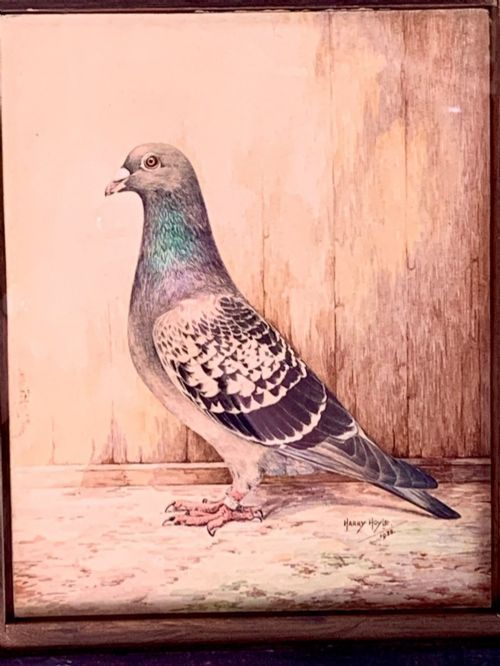
Several portraits preserve the likenesses of esteemed racing pigeons and prizewinning shorthorn bulls alongside human nobility.
Factors determining quality
Quality rests upon the skill of the brushwork and the anatomical accuracy of the sitter or animal, distinguishing professional studio output from naive school attempts. Masterful handling of light, shadow, and fabric texture elevates a composition significantly.
The preservation of the original surface, stability of the canvas, and presence of a period-matching frame contribute heavily to the standing of an individual piece.
Charles Jervas·Sir Peter Lely·Sir Godfrey Kneller·Anthony Van Dyck·John Scougall
The Brown Portrait Glossary
- Canvas
- A heavy woven fabric stretched across a wooden frame to serve as a primary support for oil paintings. It provides a textured surface that interacts with layered paint.
- Craquelure
- The fine network of minute cracks formed across the surface of old oil paint and varnish as they age and dry. This pattern helps authenticate historical artworks.
- Old Master
- An eminent European artist working before about eighteen hundred, or a painting produced by such a hand. These works often display sophisticated handling of chiaroscuro.
- Naive school
- Art produced by self-taught painters lacking formal academy training, characterised by charming perspective quirks and direct expression. Such pieces possess distinct historical charm.
- Pastel
- A dry medium consisting of powdered pigment and a binder, shaped into sticks for drawing on paper. It requires protective glass to prevent the loose pigment from smudging.
Brown Portrait: Frequently Asked Questions
What is a brown antique portrait?
A brown antique portrait is a historical painting or drawing defined by its aged, dark varnish and muted earth tones. These artworks typically depict human subjects or animals from past centuries.
Over time, old varnishes oxidise and darken, giving these pieces their characteristic warm brown atmosphere. They serve as direct visual links to past eras.
How do I care for an oil portrait?
Protecting historical oil works requires keeping them away from direct sunlight and maintaining stable room humidity. Sudden temperature shifts can cause the wooden panels or canvases to warp and crack.
Dusting should be done gently with a soft, dry brush without applying liquid cleaners. Professional conservators should handle any deep cleaning or varnish removal.
How are periods told apart?
Different eras utilise distinct painting techniques, framing styles, and clothing fashions depicted on the subjects. Seventeenth-century works often feature rigid lace collars and dark, dramatic lighting.
Nineteenth-century pieces tend to show looser brushwork and softer tonal transitions. Examining the stretcher frames and canvas types also helps determine age.
Where were these portraits displayed?
Historically, these artworks hung in country houses, private libraries, and institutional galleries to display lineage or prized possessions. Portraits of ancestors and prized animals reinforced the status of the household.
Today, collectors place them in studies, living rooms, and hallways as focal points. Their muted palettes blend easily with traditional and modern interiors.