

Brown Doors
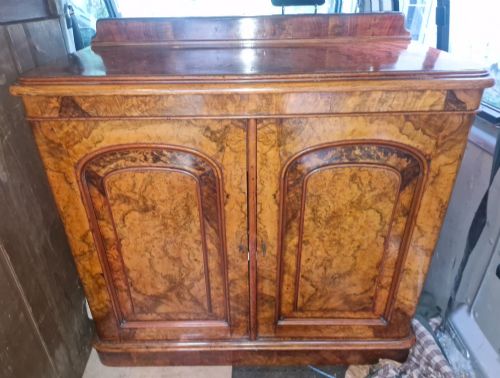
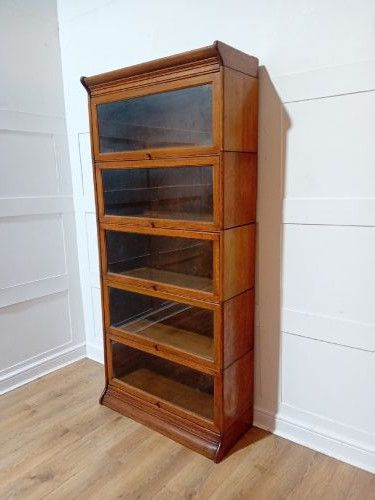
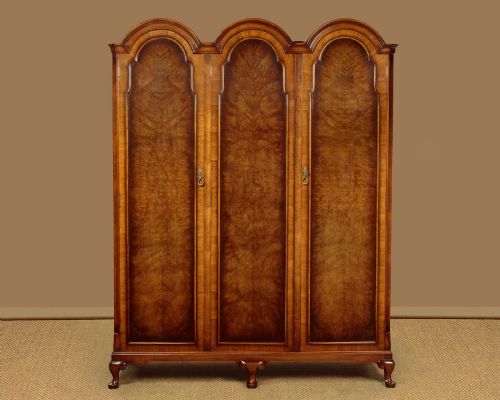
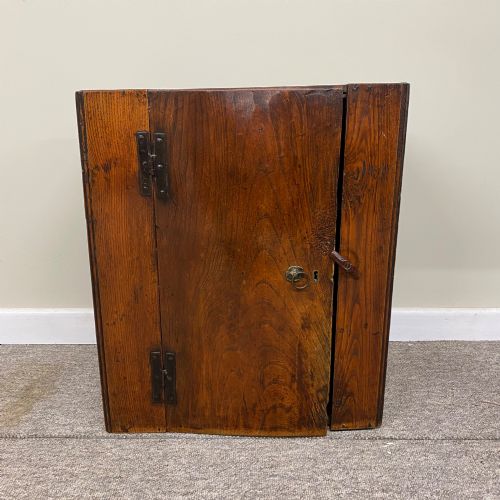
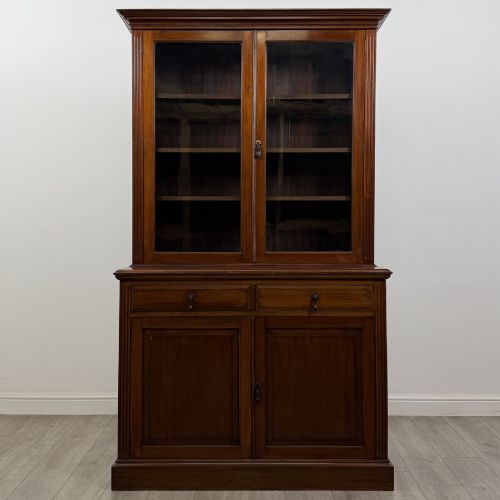
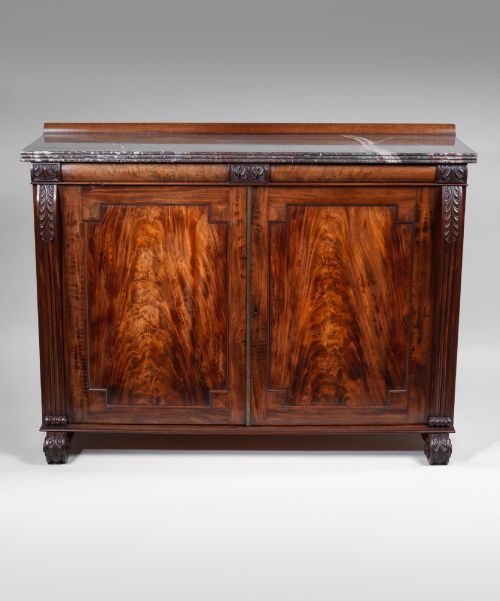
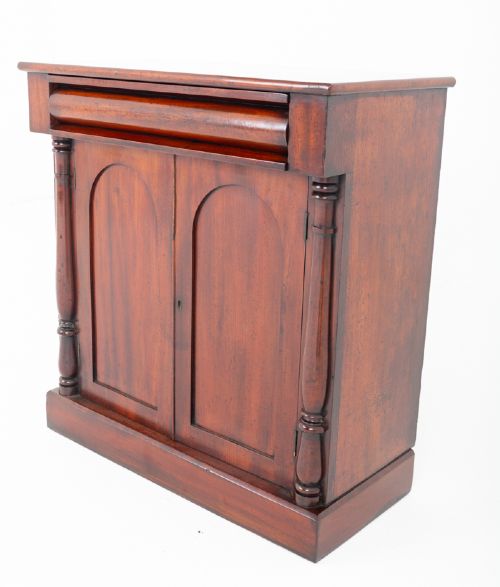
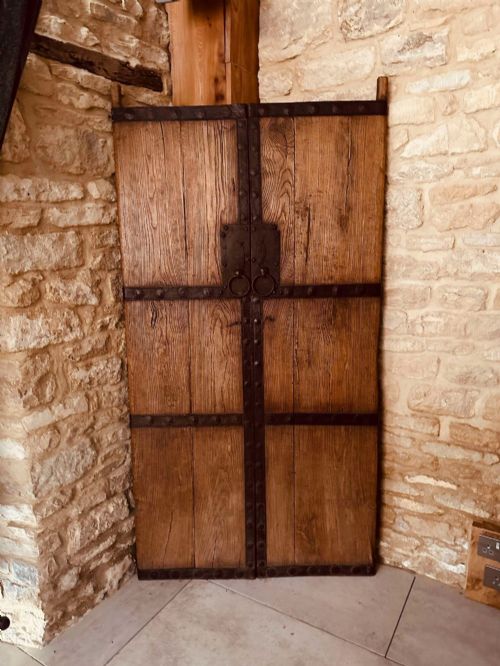
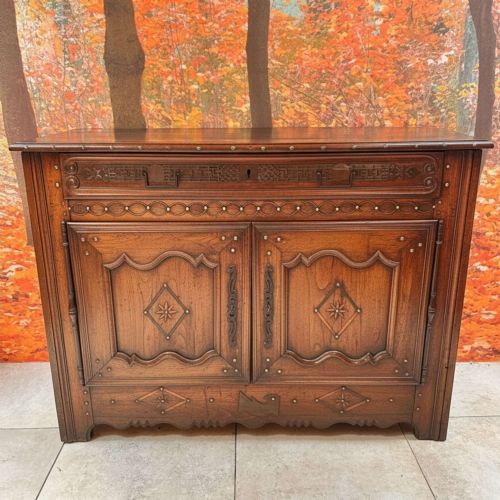
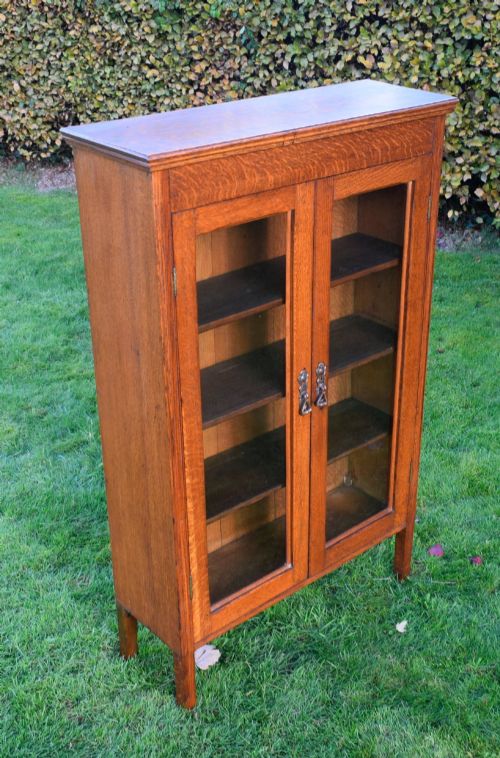
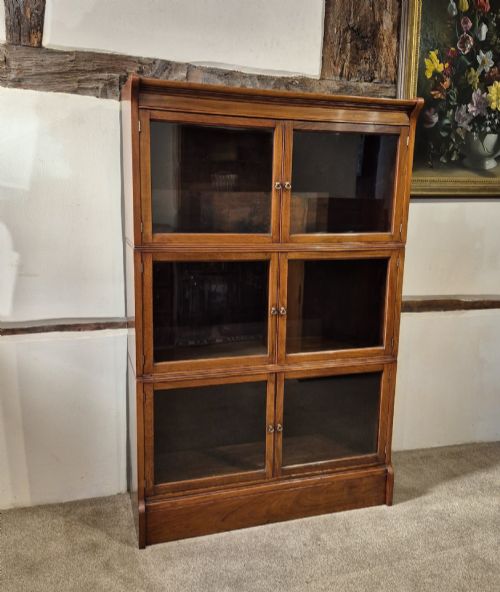
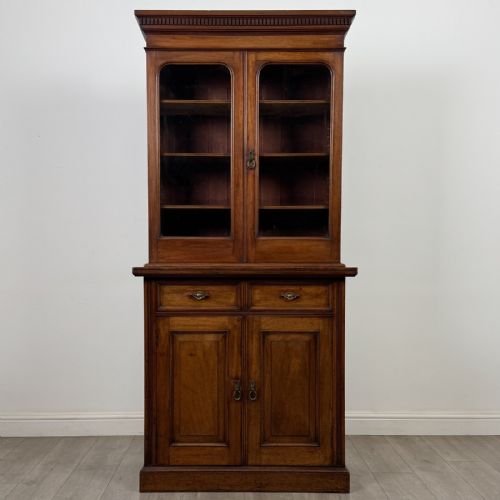
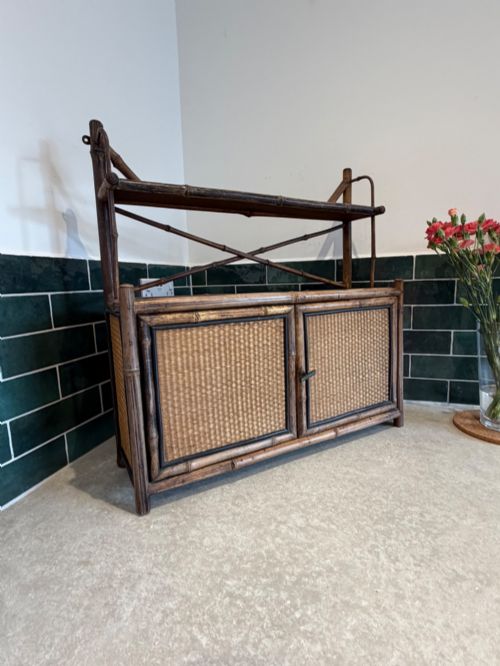
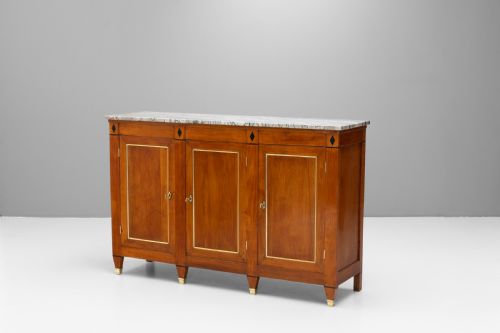
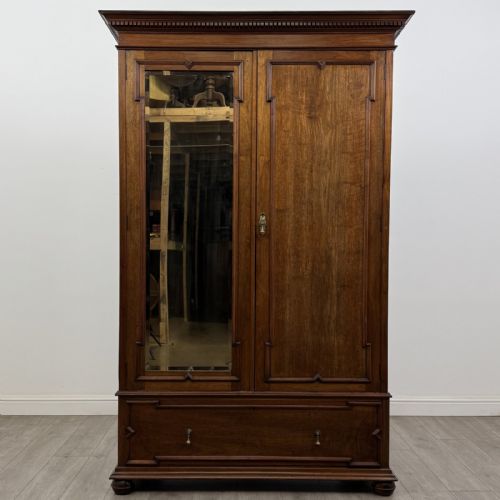
These brown antique doors open to reveal fitted interiors and shelving, offering timber warmth and storage.
Brown Doors
Brown antique doors encompass fitted fronts on wardrobes, side cabinets, bookcases, and wall cupboards spanning the eighteenth, nineteenth, and early twentieth centuries. These timber panels and glazed frames provide access to domestic storage while bringing natural wood grain into a room.
Victorian and Edwardian iterations frequently employ mahogany and walnut, while earlier examples utilise oak or chestnut. Buyers encounter these doors integrated into larger pieces like sideboards, corner cabinets, and wardrobes.
Construction and timber
Cabinet makers constructed these brown antique doors using solid hardwoods including oak, mahogany, and walnut, often applying decorative veneers such as burr walnut onto secondary timbers. Grain direction and figure determined the aesthetic impact of each panel.
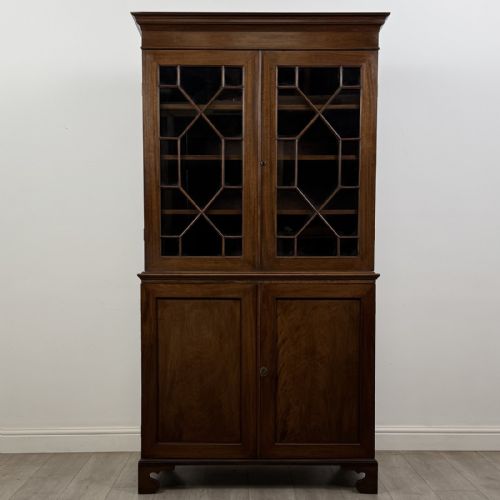
Joinery methods involved traditional framing techniques, frequently incorporating glass panels secured with astragal glazing bars or enclosing mirrored plates within wooden stiles. Secondary woods and structural supports provided stability to larger wardrobe and cupboard doors.
Brown Doors Retail Price Guide 2026
Typical asking prices for brown doors among the pieces listed under this phrase on Sellingantiques today, from the lower quarter to the upper quarter. They describe what is for sale here now, not the wider market.
Listings feature oak, mahogany, walnut, burr walnut, elm, chestnut, tulipwood, and sycamore across 18th, 19th, and 20th century periods.
Quality factors
The distinction between tiers rests in the selection of timber figure, such as highly figured burr walnut or figured mahogany, compared to plainer stock. Superior construction shows in the precision of the joinery and the integrity of the door frames.
Hardware integration also separates examples, with original brass fittings and secure hinges indicating higher workshop standards. The depth of hand-applied polish enhances the natural warmth of the brown timber surfaces differently across grades.
William Baker & Co Ltd·Shapland & Petter·Heals
The Brown Doors Glossary
- Astragal glazing
- Wooden or metal bars that hold small panes of glass within a glazed door frame. These delicate dividers create grid patterns common on bookcase doors.
- Burr walnut
- A prized wood veneer taken from the wart-like growths on walnut trees. It yields swirling, highly decorative patterns on cabinet doors.
- Veneer
- A thin layer of choice hardwood applied over a stable base timber. This technique decorates door panels without warping.
- Stile
- The vertical outer member of a panel door frame. It houses the mortise and tenon joints that keep the door square.
- Tambour
- A door constructed from narrow vertical strips of wood glued to a canvas backing. This allows the front to slide around a curved corner.
Brown Doors: Frequently Asked Questions
What periods do these pieces span?
The listings encompass items from the eighteenth, nineteenth, and early twentieth centuries, including Georgian, Regency, Victorian, and Edwardian eras. Later examples extend into Art Deco periods.
Craftsmanship and timber choices shift across these eras, moving from solid native oaks to figured mahoganies and burr walnut veneers.
How do I maintain wooden doors?
Keep timber surfaces away from direct heat sources and fluctuating humidity to prevent warping or splitting. Regular dusting with a soft cloth preserves the polished finish.
Avoid silicone-based polishes that build up over time, opting instead for traditional beeswax formulations suitable for antique hardwoods.
How are glazed doors constructed?
Glazed doors utilise wooden frames divided by astragal bars to secure multiple glass panes in place. These configurations allow visibility into bookcases and display cabinets.
Early glass often displays subtle bubbles or waviness, reflecting the manufacturing methods of the period.
Where were these cupboards used?
These storage pieces served throughout the home, from libraries and drawing rooms to hallways and bedrooms. Wardrobes provided hanging space, while smaller wall cabinets held household provisions or display items.
Their placement depended on the room's function and the specific storage needs of the household.