




Brown and Green Pottery
Brown and green pottery brings together earthy glazes and sculptural forms across centuries, offering collectors a rich mix of figures, ewers, and plaques.
Brown and Green Pottery
Brown and green pottery encompasses a diverse selection of ceramic objects spanning the eighteenth, nineteenth, and early twentieth centuries. When searching for brown and green pottery, collectors encounter functional vessels and decorative works including jugs, vases, jardinieres, and commemorative plaques.
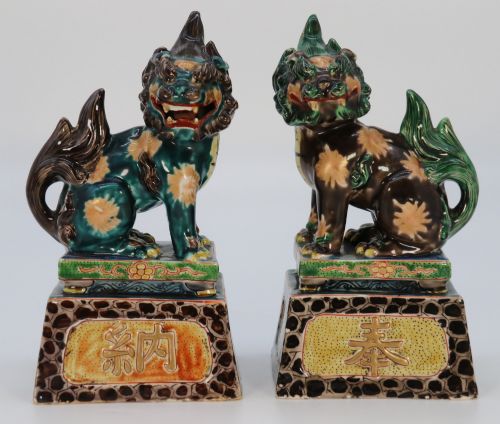
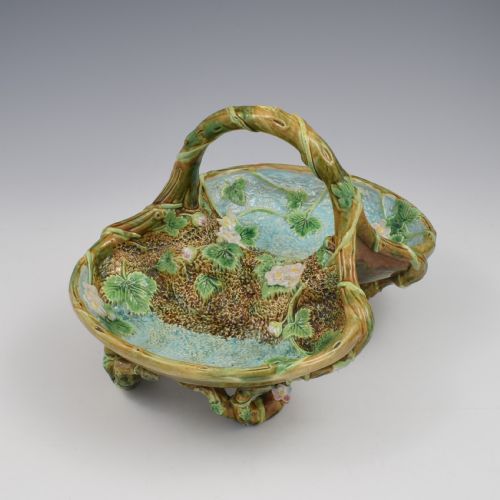
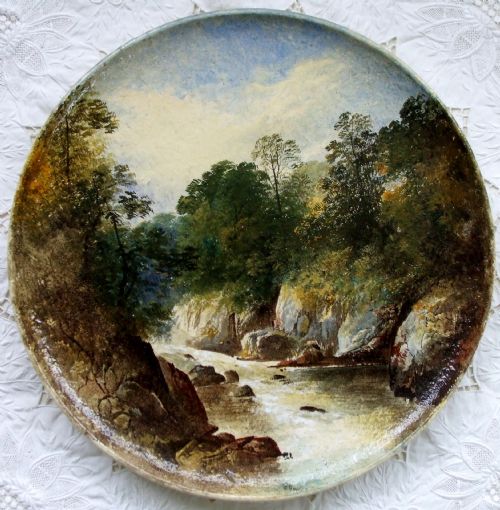
The pieces on this page draw from multiple design traditions, ranging from English Victorian majolica and Staffordshire figures to Chinese pottery Buddhist lions and Austrian art nouveau ewers. Earthenware and stoneware dominate the selection, often shaped into animal figures, botanical planters, and landscape plaques.
How they were made
Potters utilised earthenware, stoneware, and ceramic bodies, shaping them into vessels, figures, and architectural plaques. Skilled hands formed these items through throwing, moulding, and sculpting before application of the signature glazes.
Coloured glazes, enamel, and sancai finishes provide the characteristic brown and green palette seen across the pieces. Firing techniques fixed these rich surface coatings onto the clay bodies, producing lustrous surfaces that define majolica, faience, and pearlware items.
Brown and Green Pottery Retail Price Guide 2026
Typical asking prices for brown and green pottery among the pieces listed under this phrase on Sellingantiques today, from the lower quarter to the upper quarter. They describe what is for sale here now, not the wider market.
Listings feature earthenware, stoneware, and ceramic pieces across Victorian, Arts and Crafts, and Art Nouveau styles.
What varies in quality
Quality rests in the crispness of modelling and the depth of the glaze application. Superior examples display sharply defined details in figures and foliage, where the brown and green tones pool naturally to accentuate the contours.
Maker attribution and artistic ambition separate standard production items from masterworks. Pieces bearing documented signatures or originating from notable potteries command greater attention through their superior execution and refined form.
Doulton Lambeth·George Jones·Copeland Pottery·Julius Dressler·Burmantofts Faience·Joseph Holdcroft·Ralph Wood·William Yale
The Brown and Green Pottery Glossary
- Majolica
- A type of earthenware glazed with lead and coloured with metallic oxides, producing vibrant green and brown tones. It gained immense popularity during the Victorian era for decorative tableware and jardinieres.
- Pearlware
- A refined earthenware developed in the late eighteenth century featuring a pale bluish-white glaze over a fine body. It frequently served as the base for early figures and groups.
- Faience
- Tin-glazed earthenware produced across Europe, known for colourful decorative surfaces. Burmantofts produced notable examples in this tradition.
- Sancai
- A three-colour lead-glazed pottery traditionally associated with Chinese ceramics, typically employing amber-brown, green, and cream tones. Tang dynasty style reproductions utilise this ancient palette.
- Ewer
- A large jug with a wide spout and handle, used historically for pouring water or simply displayed as a decorative vessel. Many Victorian and art nouveau examples feature elaborate sculptural handles.
Brown and Green Pottery: Frequently Asked Questions
What periods do these pieces come from?
The selection spans from the eighteenth century through to the early twentieth century, with a strong representation of nineteenth-century Victorian production.
Collectors will also find earlier pearlware figures and later art nouveau and nineteen-twenties decorative works.
How do I identify majolica pottery?
Majolica is characterised by colourful lead-glazed earthenware bodies, often showing rich brown and green tones that highlight natural motifs such as leaves, bulrushes, and animals.
Many pieces from this tradition take the form of majolica jardinieres, ewers, and figural teapots.
Where were these ceramics made?
Originating locations include English potteries, Scottish workshops, and continental European kilns, alongside Asian traditions represented by Chinese and Japanese works.
Specific regional centres such as Staffordshire and Lambeth contributed significantly to the available styles.
How should I display these items?
These ceramic pieces suit placement on sturdy mantelpieces, side tables, or within dedicated cabinets where their rich glazes catch the light.
Larger jardinieres and vases function well as standalone statement items in a room.