

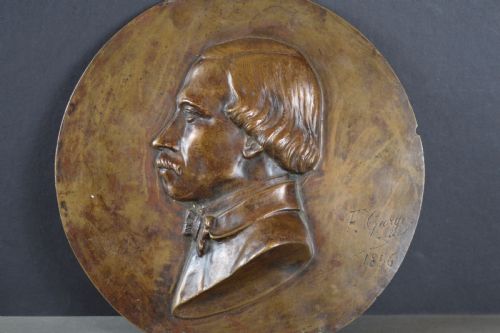


Bronzed Profile Portrait
These bronzed profile portrait pieces capture likenesses in metal, paper, and plaster across the nineteenth and early twentieth centuries.
Bronzed Profile Portrait
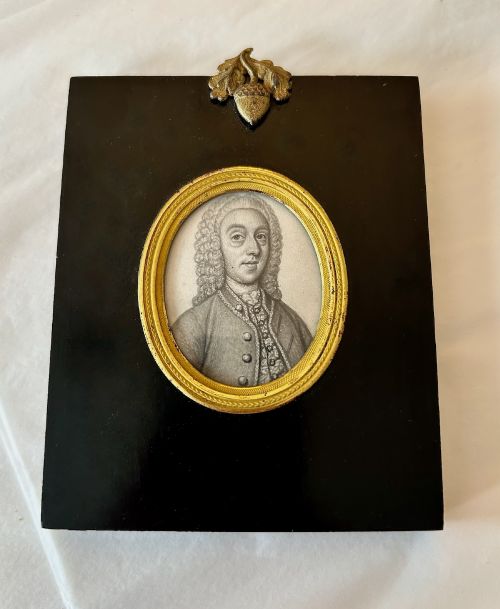
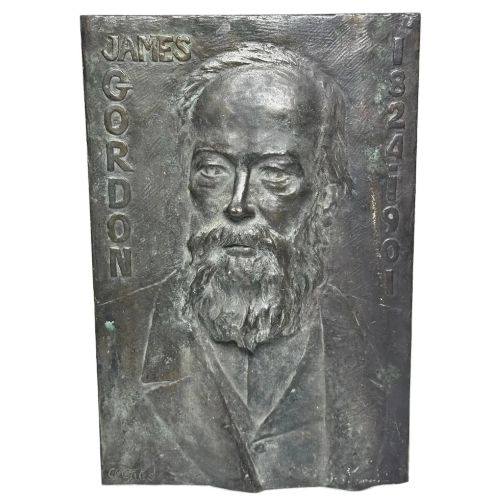
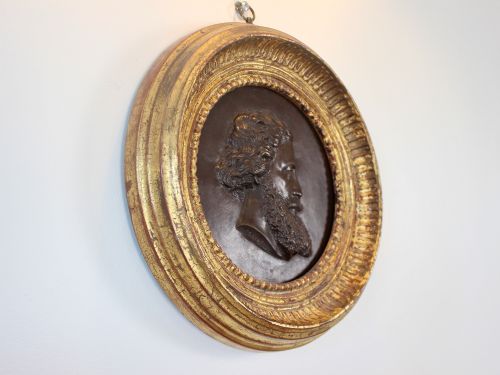
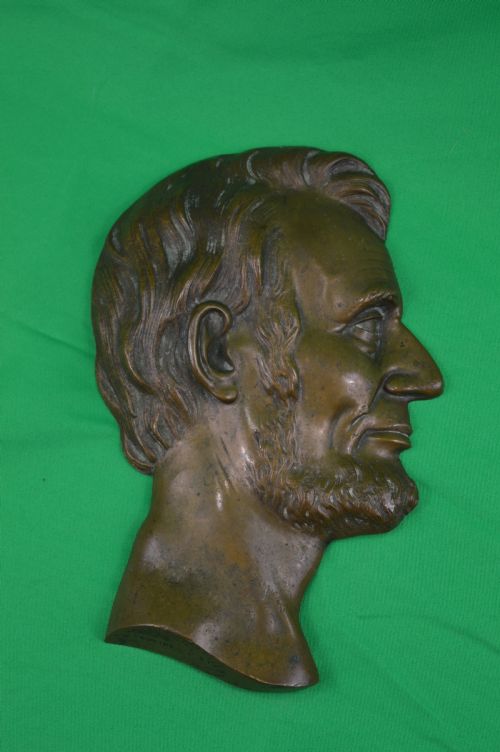
A bronzed profile portrait offers a striking silhouette or relief likeness of a sitter, typically presented in formats such as wall plaques, framed silhouette art, and miniature portraits. When searching for a bronzed profile portrait, buyers encounter works ranging from early nineteenth century gilded silhouettes to cast metal plaques from the Edwardian and Art Deco periods.
The assortment spans diverse physical forms, including cast iron portrait plaques, mounted wall panels, and turned mahogany frames enclosing roundels. Makers utilised materials like bronze, paper, glass, ink, wood, and gold leaf to render subjects including literary figures, monarchs, and private individuals.
Examples stretch across distinct eras such as the Regency, Victorian, and French Empire periods, alongside early twentieth century creations. These objects function primarily as wall sculptures and decorative plaques, preserving historical countenances through varied artistic interpretations.
How They Were Made
Casting metal forms represents a primary method, utilising bronze, cast iron, and cast lead finished with a bronzed appearance. These metallic reliefs capture fine details of hair, clothing, and facial structure in solid media.
Paper and glass combinations appear in silhouette works, where ink and gold leaf enhance delicate paper cuttings. Such pieces frequently combine delicate silhouettes with dark backgrounds and protective glazing.
Framing techniques involve turned mahogany and gilt wood surrounds, housing either metal plaques or paper silhouettes. Wood panels provide sturdy backing for wall mounting while framing the profile within a distinct border.
Bronzed Profile Portrait Retail Price Guide 2026
Typical asking prices for bronzed profile portrait among the pieces listed under this phrase on Sellingantiques today, from the lower quarter to the upper quarter. They describe what is for sale here now, not the wider market.
Listings feature works from the nineteenth century, Regency, Victorian, Edwardian, and Art Deco periods, utilising bronze, paper, glass, and mahogany.
What Varies in Quality
Materials and framing contribute significantly to overall standard, as seen in pieces incorporating gold leaf accents, solid mahogany frames, or heavy cast metal. Craftsmanship in the mounting and the preservation of original backing materials distinguish finer examples.
The Bronzed Profile Portrait Glossary
- Bronze
- A copper alloy traditionally used for durable metal casting. It develops a rich surface tone over time.
- Silhouette
- A portrait represented as a solid shape of a single colour, usually black on a light background. It focuses entirely on the outline of the subject.
- Roundel
- A circular panel or plaque used for decorative relief portraits. These often sit within turned wooden frames.
- Relief
- Sculptural work where figures project from a flat background. This technique provides depth to profile portraits.
- Gilt wood
- Wood coated with a thin layer of gold leaf or gold paint. It adds a luminous border to framed artworks.
Bronzed Profile Portrait: Frequently Asked Questions
How should I hang a bronze portrait plaque safely?
Ensure the wall fixing supports the weight of the metal object securely. Use appropriate screws or brackets matched to the plaque's hanging loop.
Keep the piece away from direct sunlight and areas of high moisture to protect both the metal surface and any wooden frame.
What periods do these profile portraits come from?
The pieces span the nineteenth and early twentieth centuries. Common eras include the Regency, Victorian, Edwardian, and Art Deco periods.
Stylistic influences range from nineteenth century classical designs to French Empire aesthetics.
How do I clean a bronzed metal plaque?
Dust the surface gently with a soft, dry cloth to remove accumulated particles. Avoid chemical polishes that might strip the patination.
Consult a specialist if the piece requires deeper conservation work.
What subjects typically appear in these portraits?
Portraits depict historical figures, literary icons, monarchs, and private individuals. Notable subjects include military leaders, authors, and political figures.
Some pieces represent family members or unidentified sitters from earlier centuries.