

Bronzed Metal Bowl
A bronzed metal bowl brings sculptural weight and historic gravitas to a room, offering a versatile vessel shaped by centuries of decorative arts traditions.
Bronzed Metal Bowl
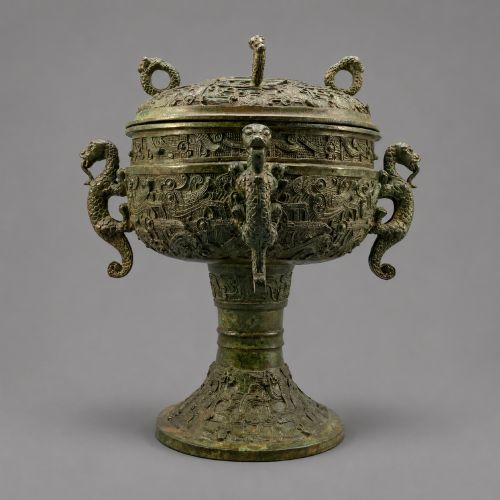
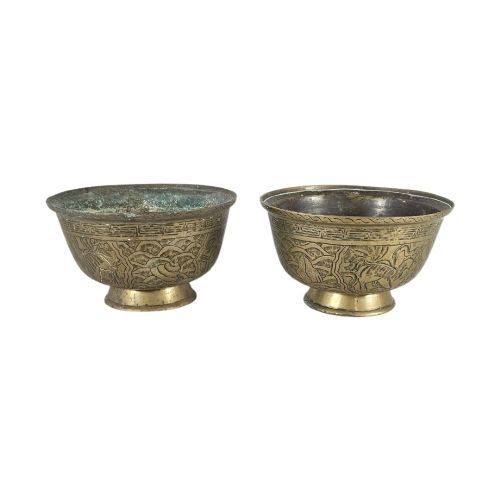
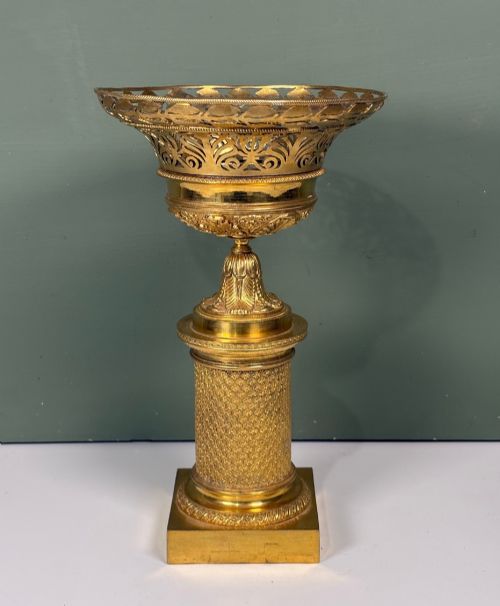
A bronzed metal bowl encompasses a diverse array of utilitarian and decorative vessels, including heavy ritual censers, classical tazzas, and large garden planters. When exploring this category, a buyer frequently encounters pieces originating from 17th-century Chinese dynasties, French neoclassical workshops, and Victorian mantelpiece displays.
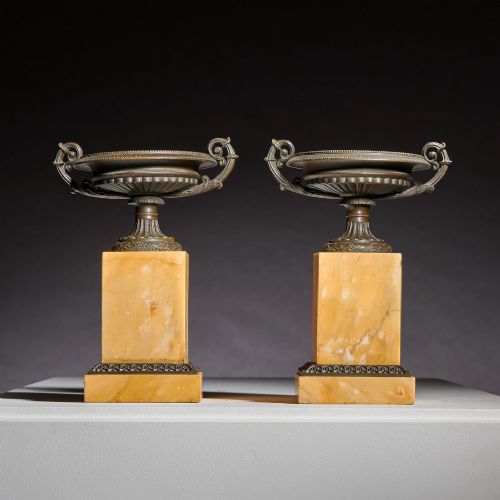
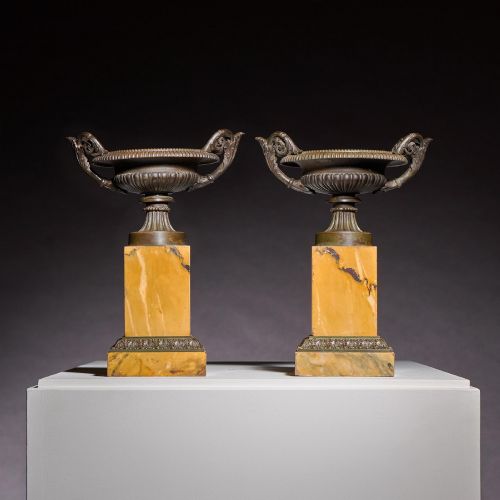
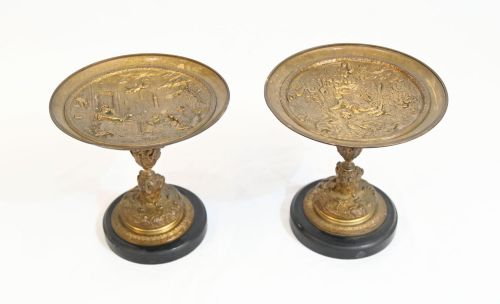
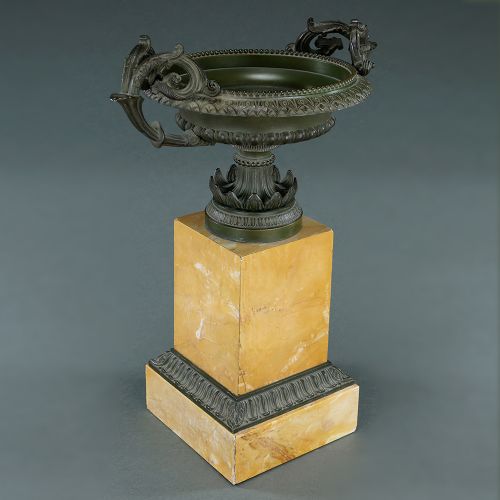
The physical forms range from shallow footed tazzas paired with Siena marble bases to robust apothecary mortars and deep Japanese jardiniere bowls. These items bridge decorative utility and historic metalwork, functioning historically as scholar's desk items, ritual food vessels, and grand centrepieces.
Materials and casting methods
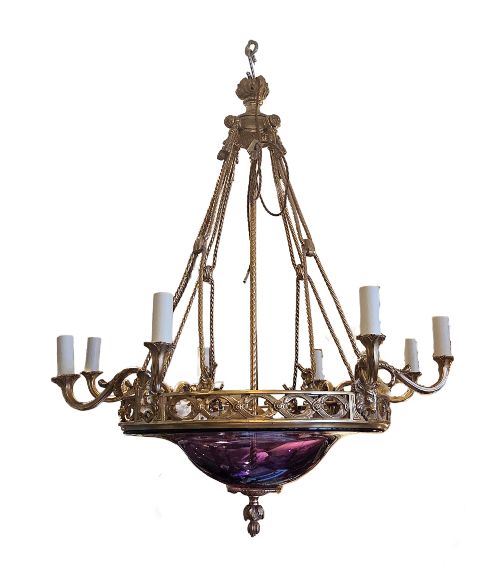
Makers utilised bronze, brass, and gilt bronze, frequently combining cast metal with contrasting materials such as marble, crystal, enamel, and agate cabochons. The heavy weight characteristic of these vessels stems from traditional sand casting and lost-wax techniques employed by Asian and European metalworkers.
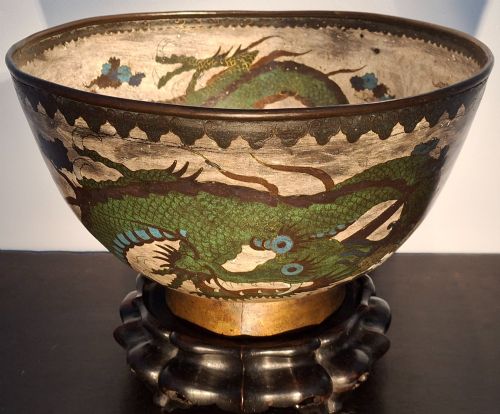
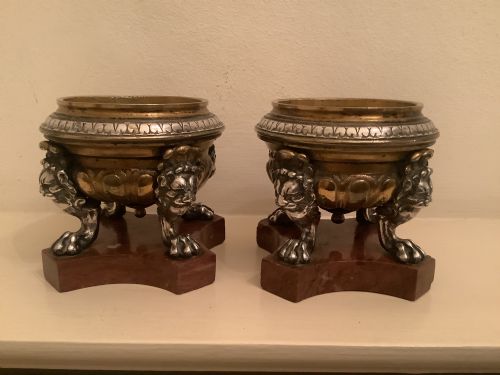
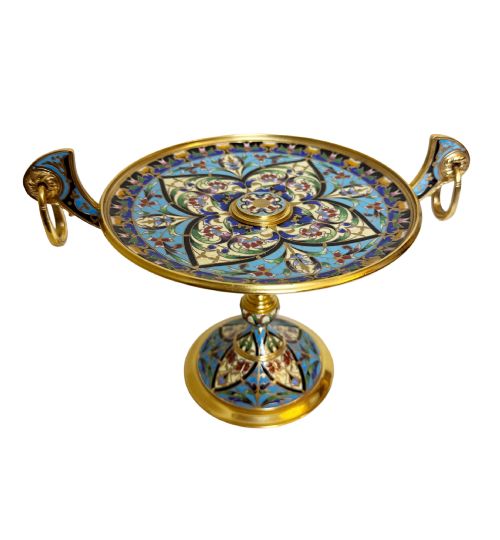
Surface treatments introduce further complexity through applied silvering, ormolu gilding, champleve enamelling, and hand-chased relief panels depicting motifs like lion masks and dragons. These durable finishes determine whether a piece exhibits a dark patinated surface or a bright, reflective metallic sheen.
Bronzed Metal Bowl Retail Price Guide 2026
Typical asking prices for bronzed metal bowl among the pieces listed under this phrase on Sellingantiques today, from the lower quarter to the upper quarter. They describe what is for sale here now, not the wider market.
Listings feature items spanning the 16th through the 20th centuries, covering Ming and Qing dynasties alongside Victorian and French Empire periods.
Differentiating craftsmanship
Quality reveals itself in the precision of the casting and the crispness of chased details, such as the relief panels on scholar's censers and the winged cherubs on centrepieces. Heavier castings with bell-ring resonance and integrated maker or studio marks demonstrate superior metallurgical skill.
The integration of secondary materials, such as finely fitted Siena marble bases or hand-cut crystal inserts, separates standard production items from exceptional pieces made during the French Empire or Qing Dynasty periods.
The Bronzed Metal Bowl Glossary
- Tazza
- A shallow ornamental bowl raised on a stem and foot, commonly utilised for display or serving in classical European design.
- Censer
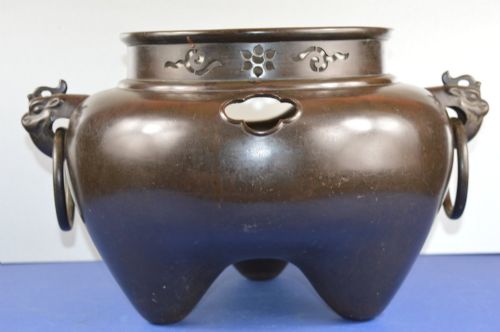
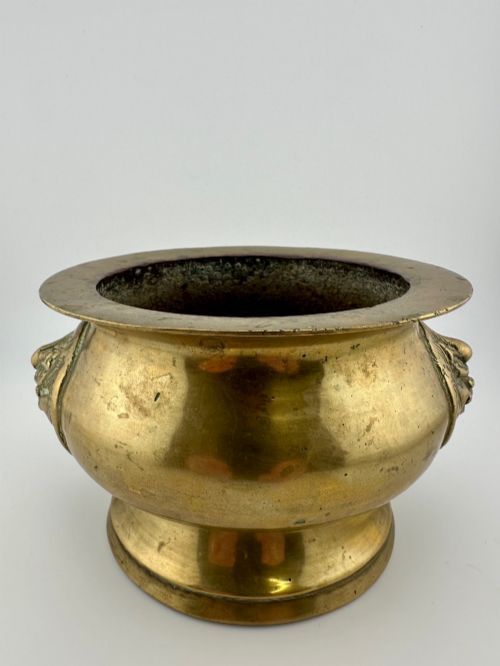
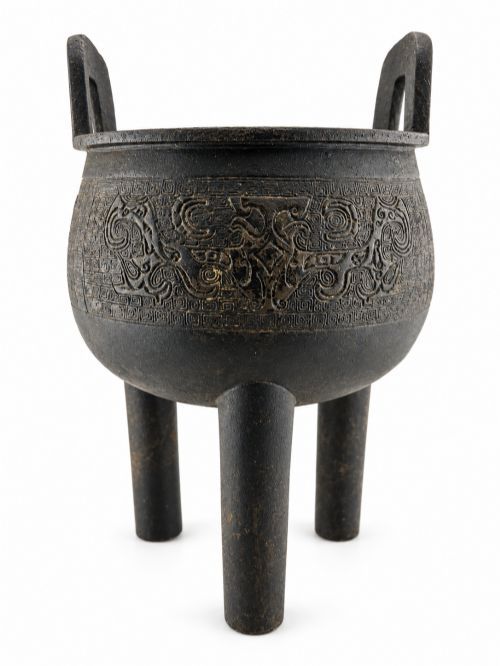
- A vessel designed for burning incense, frequently taking the form of a heavily cast bronze tripod bowl with mask handles.
- Ormolu
- Finely ground high-carat gold applied to a bronze base using a mercury amalgamation process, seen on French decorative pieces.
- Jardiniere
- A large ornamental pot or bowl intended to hold growing plants or floral arrangements.
- Cloisonne
- An enamelling technique where thin metal wires form raised barriers filled with coloured paste before firing.
Bronzed Metal Bowl: Frequently Asked Questions
How were bronze censers used historically?
Scholars and practitioners utilised bronze censers to burn aromatic resins and incense sticks during meditation or study sessions. These vessels held central positions on scholar's desks and in household altars across Asian traditions.
Heavier lidded or open bowls allowed smoke to dissipate through cast relief panels, contributing to the contemplative atmosphere of traditional rooms.
What is a Grand Tour tazza?
A Grand Tour tazza is a decorative object acquired by wealthy European travellers visiting classical antiquities sites during the eighteenth and nineteenth centuries. Makers combined patinated bronze dishes with imported Italian marbles like Siena to evoke ancient relics.
These pieces brought classical architectural proportions into Victorian and Edwardian domestic interiors as mantel or table ornaments.
How do I care for a bronze bowl?
Bronze bowls require minimal intervention, needing only occasional dusting with a soft, dry cloth to prevent the accumulation of abrasive particles. Avoid using metal polishes or chemical cleaners that can strip historic patinas and applied gilding.
Keeping the metal away from direct moisture preserves the stability of underlying alloys and any integrated enamel or marble elements.
How can I tell a Chinese ritual bowl from a European piece?
Chinese ritual vessels often display archaic motifs such as Taotie mask handles, tripod feet, and specific dynastic studio or seal marks. Their bronze composition frequently exhibits dense casting weights and deep, dark patinations associated with scholar's items.
European counterparts tend to incorporate classical ornamentation like gilt bronze, winged cherubs, or architectural marble bases characteristic of the Neoclassical and Victorian eras.