





Bronze Wall Crest
A bronze wall crest brings heraldry and metalwork into domestic rooms, offering solid cast weight and centuries of decorative tradition.
Bronze Wall Crest
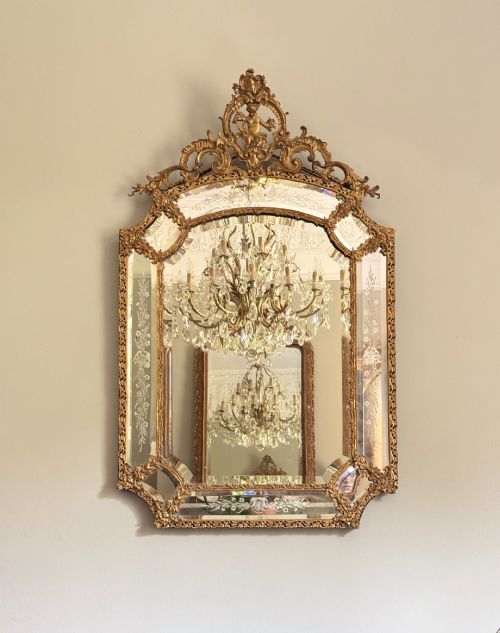
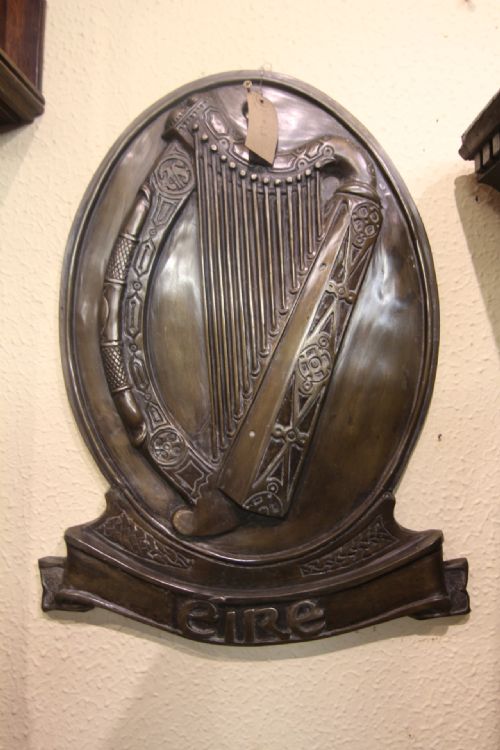
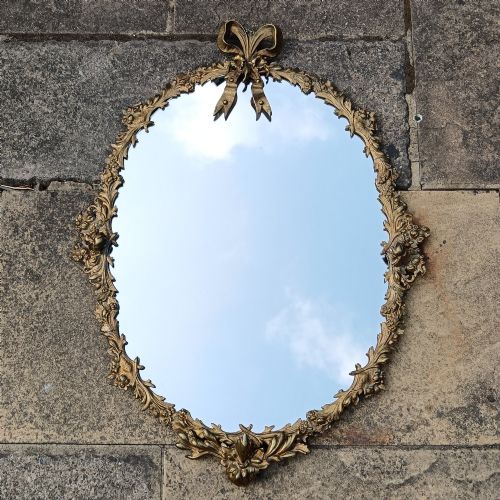
A bronze wall crest represents cast metal armorial bearings, commemorative plaques, and heraldic sculptures intended for mounting on interior walls. Buyers searching for a bronze wall crest encounter items ranging from Scottish clan insignia and military ministry plaques to French Rococo and Louis XVI style frames and mirrors.
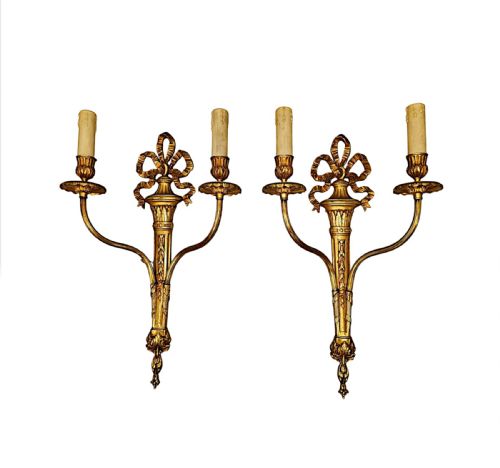
The selections on this page span several centuries, featuring 18th-century heraldic pieces alongside 19th-century revival works and early 20th-century commemorative issues. Forms extend from wall plaques and sconces to clocks and barometers incorporating cast bronze elements.
Origin points visible in the records include French workshops producing Louis XVI style gilt bronze items, British makers creating commemorative jubilee plaques, and Scottish items bearing specific clan arms. Domestic interiors receive these mounted sculptures as focal points that combine metal casting with historical heraldry.
How they were made
Makers utilised bronze, gilt bronze, ormolu, brass, and copper, often combining the cast metal with wood, glass, or enamel details. Molten metal was poured into moulds to create the relief crests, armorial bearings, and surrounds seen across these listings.
Surface finishes include fire gilding and applied patination to highlight the chased details of the cast figures and lettering. Secondary materials such as wood support frames or enamel inserts provide contrast to the metallic centrepieces.
Bronze Wall Crest Retail Price Guide 2026
Typical asking prices for bronze wall crest among the pieces listed under this phrase on Sellingantiques today, from the lower quarter to the upper quarter. They describe what is for sale here now, not the wider market.
Listings span the eighteenth to the mid-twentieth century, employing bronze, gilt bronze, brass, copper, glass, enamel, and wood.
What varies in quality
The definition and depth of the casting separate simpler plaques from masterwork pieces. Crisp chasing in the bronze or ormolu reveals the skill of the original workshop.
The integrity of the mounting materials, whether wood, glass, or enamel, contributes to the overall presence of the object. Complete heraldic details and clear armorial attribution elevate the standing of a crest.
The Bronze Wall Crest Glossary
- Ormolu
- Gilt bronze produced by applying a mercury and gold amalgam to a bronze base and heating it. This technique creates a durable golden finish seen on 19th-century French frames and clocks.
- Heraldry
- The system of devising, granting, and displaying armorial bearings and crests. Pieces bearing specific clan arms or family coats of arms rely on these traditional rules.
- Cartel clock
- A wall clock housed in an ornamental frame made of materials such as gilt bronze or ormolu. These French wall clocks combine timekeeping with sculptural metalwork.
- Louis XVI Revival
- A 19th-century style drawing on the neoclassical symmetry, straight lines, and classical motifs of 18th-century France. Frames and mirrors often display this refined ornamentation.
- Passant
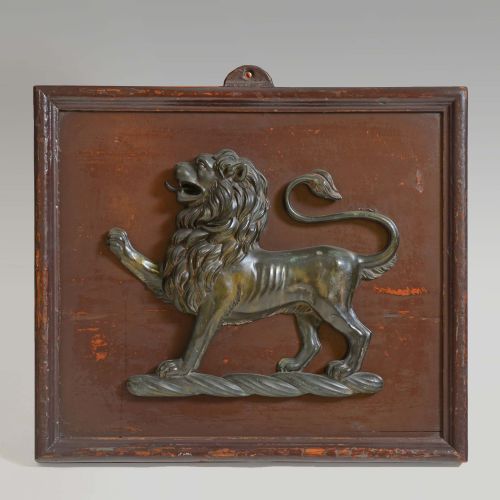
- A heraldic term describing an animal, such as a lion, depicted walking with its right forepaw raised. Clan crests frequently incorporate animals in this specific posture.
Bronze Wall Crest: Frequently Asked Questions
What is a bronze wall crest?
A bronze wall crest is a cast metal sculptural piece displaying armorial bearings, family arms, or commemorative designs intended for hanging on a wall.
These items range from Scottish clan plaques to French decorative wall accents produced across the eighteenth, nineteenth, and early twentieth centuries.
How were these wall pieces used?
Historical owners mounted these heavy metal crests and plaques in halls, libraries, and principal rooms to display lineage, allegiance, or commemorative events.
They served as permanent architectural decoration that combined family identity with accomplished metal casting.
How do I care for a bronze wall crest?
Maintenance requires gentle dusting with a soft brush to prevent particulate buildup in the recessed cast details. Avoid harsh chemical cleaners or abrasive cloths that can strip historical patination or damage gilt surfaces.
How can I tell the period of a crest?
Dating relies on examining the casting technique, the style of the mounting, and any accompanying inscriptions or maker details. Stylistic markers such as Louis XVI Revival or Victorian heraldry provide clear chronological indicators.