

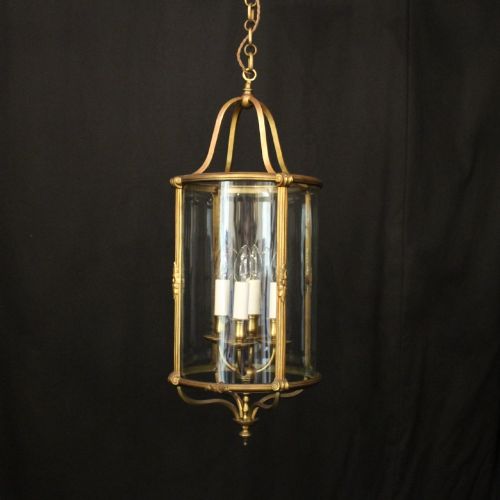
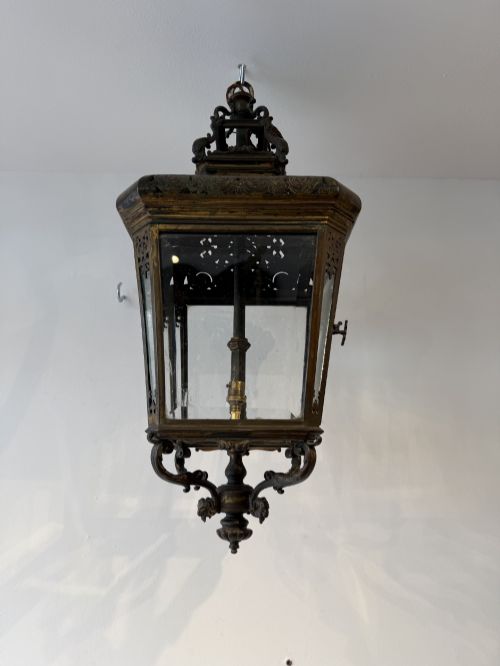
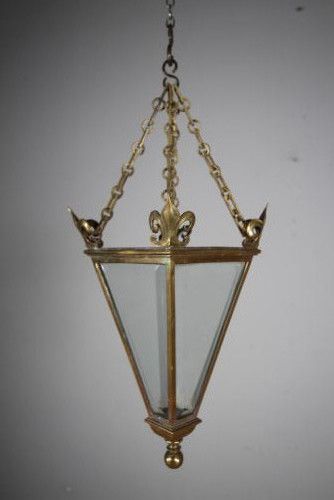


Bronze Vestibule Light
A bronze vestibule light brings immediate presence to an entranceway, cast in bronze, brass and glass to hang overhead.
Bronze Vestibule Light
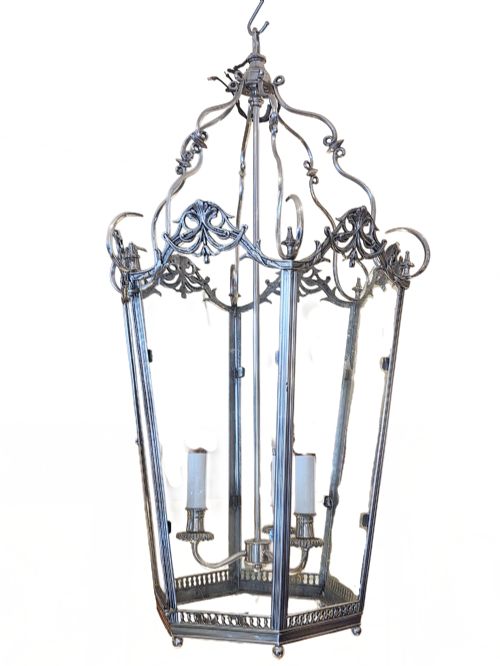
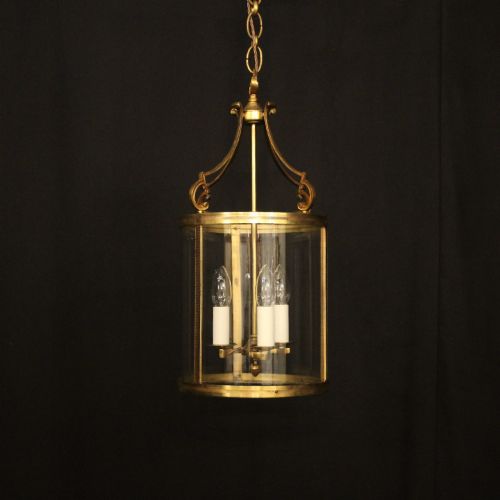
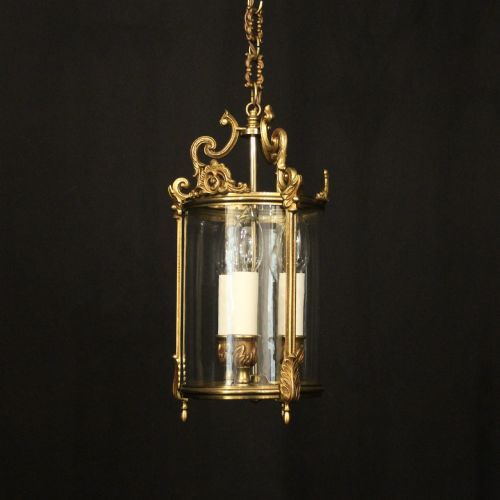
When you search for a bronze vestibule light, you are looking at hanging lanterns, hall lanterns and ceiling lights designed to illuminate entryways and corridors. These fixtures bring architectural weight to a ceiling through substantial metalwork paired with glass panels.
The pieces you are most likely to meet on this page hail primarily from the nineteenth and early twentieth centuries, spanning periods from eighteen-eighty through to nineteen-thirty. French designs dominate the selection, heavily influenced by Neoclassical, Louis XVI and Rococo Revival styles.
Makers configured these hanging lanterns to hold single or multiple lights, ranging from intimate triple-light configurations to larger four-light arrangements. Their forms serve the practical purpose of casting welcoming illumination downwards into a hall whilst acting as a decorative focal point.
How they were made
Workshops cast the structural frames in bronze, gilt bronze, silvered bronze or brass, employing traditional foundry methods to achieve crisp architectural detailing. Gilt and silvered surfaces received fine metallic leaf or washes to catch the ambient light of an entrance hall.
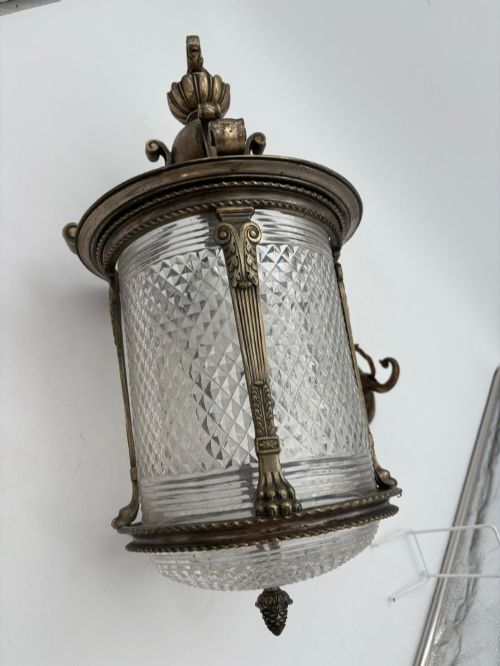
Glaziers fitted the metal cages with clear, frosted or etched glass panes, often held securely by decorative brass or bronze bezels and screws. Cut glass elements occasionally appear within the framework to refract the internal illumination across the ceiling.
Bronze Vestibule Light Retail Price Guide 2026
Typical asking prices for bronze vestibule light among the pieces listed under this phrase on Sellingantiques today, from the lower quarter to the upper quarter. They describe what is for sale here now, not the wider market.
Listings for a bronze vestibule light span from eighteen-eighty through to nineteen-thirty, incorporating French Neoclassical, Art Deco and Victorian styles.
What varies in quality
The sophistication of the cast metal ornamentation dictates the primary tier of quality, distinguishing crisp acanthus leaves and beaded mouldings from softer, less defined castings. Heavier gauge bronze and brass provide greater structural integrity to the hanging frame.
The treatment of the glass panels separates standard utility lighting from finer examples, particularly where glass is deeply etched or hand-cut rather than simply plain and flat. Original surface gilding that has aged with an even, warm patina elevates a piece above those with stripped or overly polished finishes.
The Bronze Vestibule Light Glossary
- Bronze vestibule light
- A hanging ceiling fixture made of bronze and glass, intended for illuminating hallways and entrance spaces. These fixtures utilise heavy cast metal frames to support protective glass panels around internal lamp holders.
- Gilt bronze
- Bronze that has been coated with a thin layer of gold or gold-coloured leaf to give a rich, reflective metallic finish. This material was frequently employed in French neoclassical lighting to create a sense of opulence.
- Hall lantern
- An enclosed hanging light fixture designed specifically for narrow passageways and entrance halls. They typically feature glass sides held within a metal framework to protect the flame or bulb from draughts.
- Etched glass
- Glass that has been treated with acid or abrasives to create decorative frosted patterns on the surface. This technique softens the glare from the internal light source while adding ornamentation.
Bronze Vestibule Light: Frequently Asked Questions
What is a bronze vestibule light used for?
These fixtures were historically hung in entrance halls, vestibules and stairwells to provide bright, welcoming illumination for arriving guests.
Today, they serve the exact same architectural purpose, anchoring high ceilings and casting warm light downwards into transitional spaces.
How do I hang a heavy bronze lantern safely?
Hanging a substantial bronze and glass lantern requires securing the suspension chain directly into ceiling joists or structural noggin pieces rather than plaster alone.
Given the considerable weight of cast bronze and glass panels, professional electrical and structural installation is strongly recommended.
Are these lights electrified or wired for candles?
Most antique lanterns encountered today have been adapted to run on modern electricity, housing internal lamp holders for standard bulbs.
Rewiring should be checked by a qualified electrician to ensure the vintage metal framing is properly earthed and safe for domestic use.
How do I clean a antique bronze and glass lantern?
Dust the metal framework and glass panels gently with a dry, soft cloth to prevent the accumulation of grime without disturbing the aged patina.
Avoid harsh chemical cleaners or abrasive pads, which can strip away original gilding or damage delicate frosted glass surfaces.