

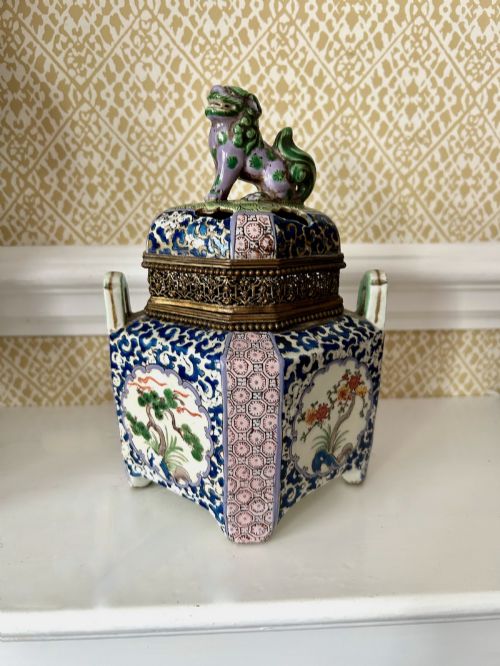
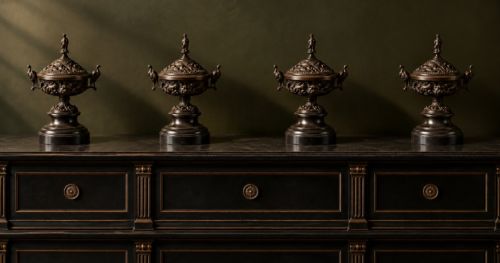
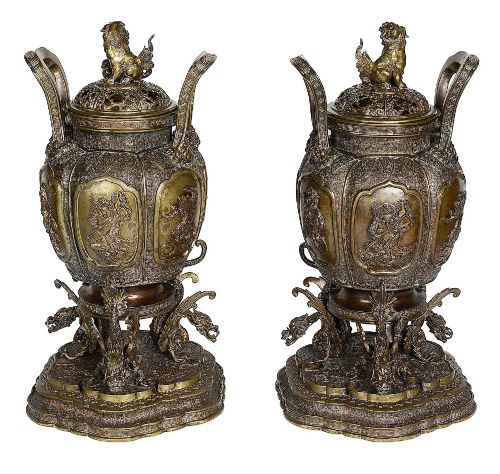


Bronze Vessel Lid
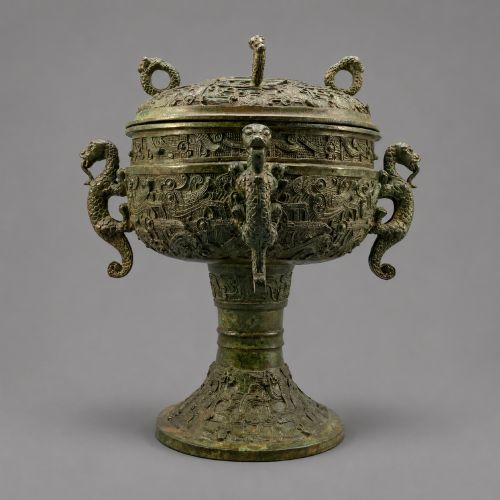
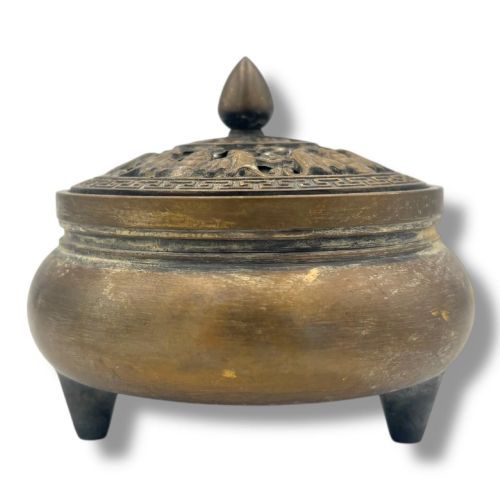
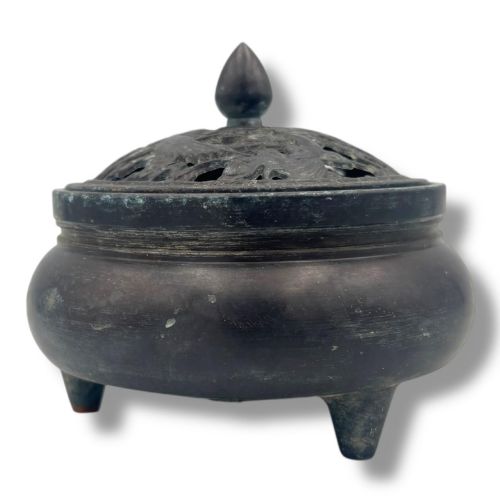
These pieces for a bronze vessel lid offer functional covers and decorative tops for censers, kettles, and urns across nineteenth-century styles.
Bronze Vessel Lid
When you search for a bronze vessel lid, you examine functional and decorative covers designed for ritual vessels, censers, kettles, and urns. These pieces originate from nineteenth-century Chinese, Japanese, and European workshops.
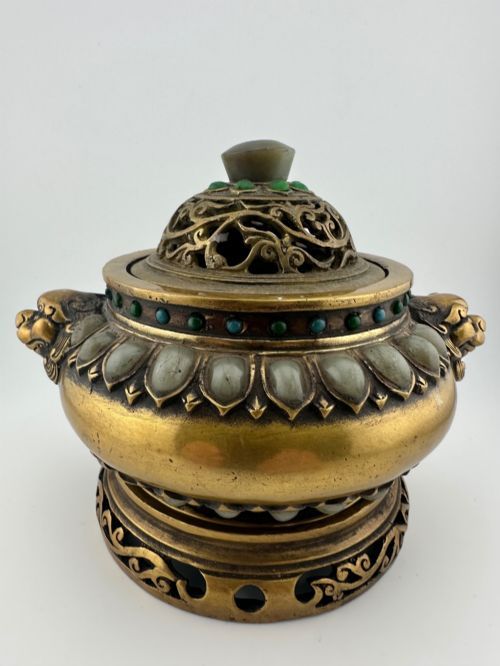
The version you are most likely to meet on this page is a cast bronze cover from the Chinese Qing style or Japanese Edo and Meiji periods. Many feature specialised tops such as dragon handles, pierced lotus designs, or cloisonné enamel insets.
How They Were Made
The makers utilised bronze casting methods to form the primary structure of each lid. Patinated finishes, gilt bronze highlights, and cast iron additions provide surface depth and weight.
Many Japanese and Chinese examples incorporate cloisonné enamel, hardstone inlays, and porcelain elements into the metal framework. Artisans applied these materials by hand to create intricate floral, bird, and abstract patterns.
Bronze Vessel Lid Retail Price Guide 2026
Typical asking prices for bronze vessel lid among the pieces listed under this phrase on Sellingantiques today, from the lower quarter to the upper quarter. They describe what is for sale here now, not the wider market.
Several lids double as miniature landscape perches for cast bronze birds that watch over your desk.
What Varies in Quality
The distinction between standard covers and superior examples lies in the crispness of the casting and the precision of the surface decoration. Pierced ventilation work and detailed handle modeling require advanced artisanal skill.
Integration with the base vessel and the harmony of mixed materials such as inlaid hardstone or applied silver elevate the piece. The depth of the original patination and the preservation of delicate enamel cells further separate ordinary utilitarian lids from masterworks.
Jules Moigniez·Kibundo·Auguste Cain
The Bronze Vessel Lid Glossary
- Censer
- A vessel used for burning incense, typically fitted with a pierced lid to release scented smoke. These covers often feature dragon or lotus motifs.
- Cloisonne
- A technique where enamel paste is applied within compartments created by soldered wire on a metal base. This method appears on numerous Japanese kettle and bowl lids.
- Tetsubin
- A Japanese cast iron kettle traditionally topped with a matching metal lid. They are often associated with Kyoto makers from the nineteenth century.
- Patinated Bronze
- Metal treated with chemicals or heat to produce a stable surface colour and finish. This treatment protects the bronze while defining its aesthetic character.
Bronze Vessel Lid: Frequently Asked Questions
What is a bronze vessel lid?
A bronze vessel lid is a removable top designed to seal or partially cover incense burners, tea kettles, ritual urns, and decorative bowls. They serve both a practical function in containing heat or scent and a decorative role as the visual focal point of the object.
Most examples found here date from the nineteenth century and originate from Asian or European traditions. They reflect the specific decorative vocabulary of their period, ranging from archaic Chinese forms to Japanese Meiji metalwork.
How do I know if a lid belongs to a censer?
Censer lids are generally distinguished by pierced apertures or openwork designs that allowed incense smoke to escape safely. You will frequently find motifs such as lotus flowers, dragons, or guardian figures integrated into the ventilation openings.
In contrast, lids made for sake kettles, tazzas, or urns are typically solid and sealed. Examining the underside often reveals soot residue or internal seating rims designed to fit snugly onto a specific tripod base or bowl.
Are these lids sold separately from vessels?
Some listings feature standalone covers, while others present complete pieces where the lid is paired with its original censer, vase, or kettle. When acquiring a replacement lid, matching the scale, metal composition, and patination to the base vessel is essential.
Collectors look closely at the mounting style and weight to determine if a cover belongs to the exact period of the body. Integrated sets from makers like Jules Moigniez or Kyoto workshops generally keep the lid and vessel united.
How should I clean a bronze lid?
Maintenance requires minimal intervention to preserve the historic patination and fragile surface inlays. Dust the metal gently with a soft, dry brush and avoid chemical polishes that strip away the aged finish.
If the piece incorporates cloisonné enamel or hardstone, keep moisture away from the wire cells and mounting joints. Regular dry dusting is sufficient to maintain the stability and appearance of nineteenth-century bronze.