





Bronze Sculpture with Marble
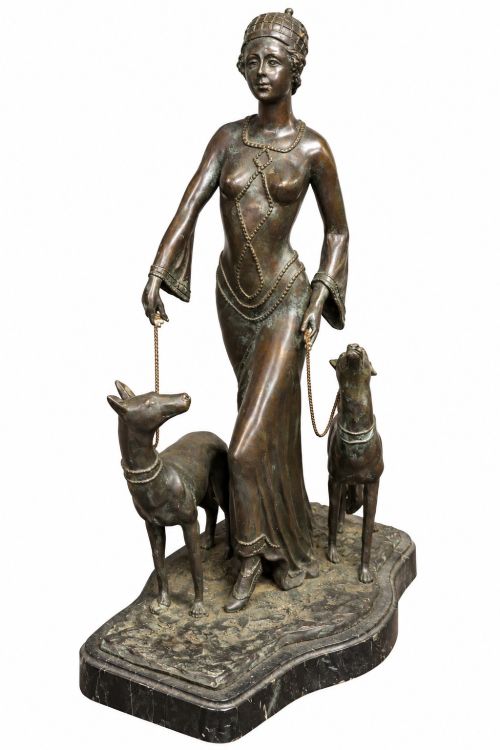
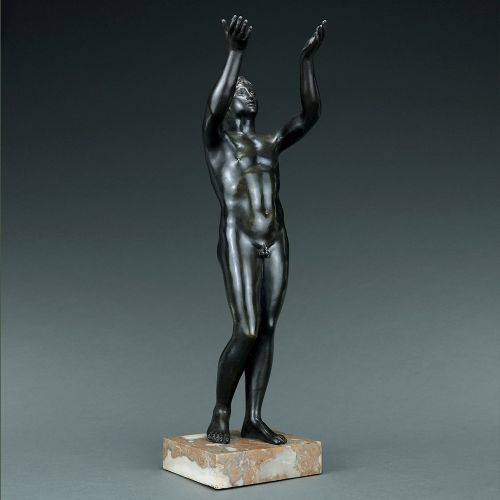
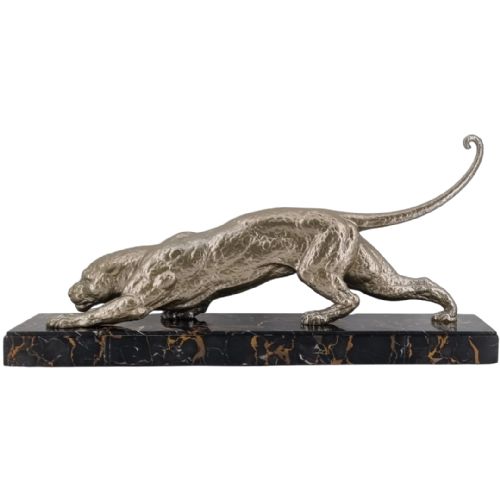
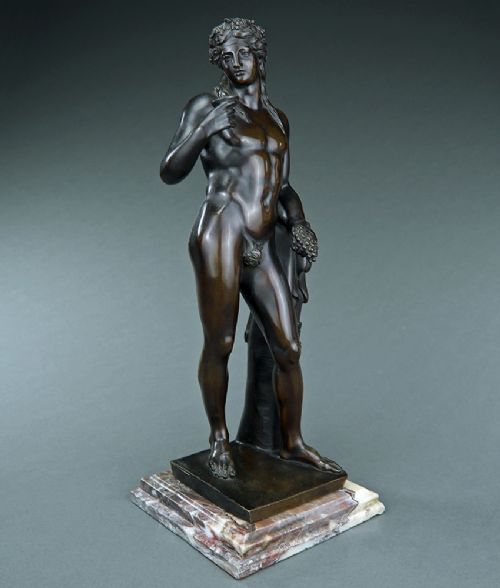
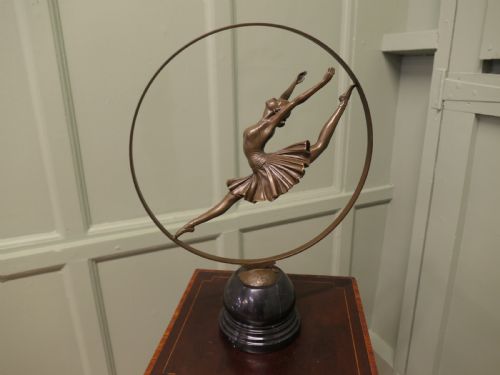
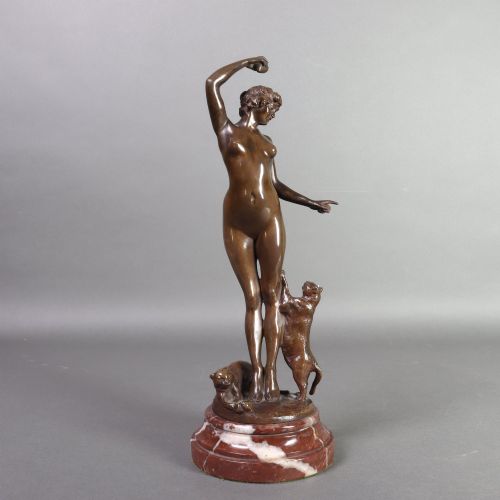
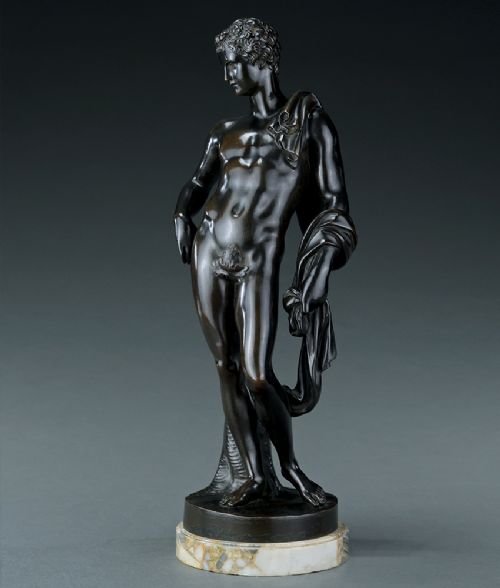
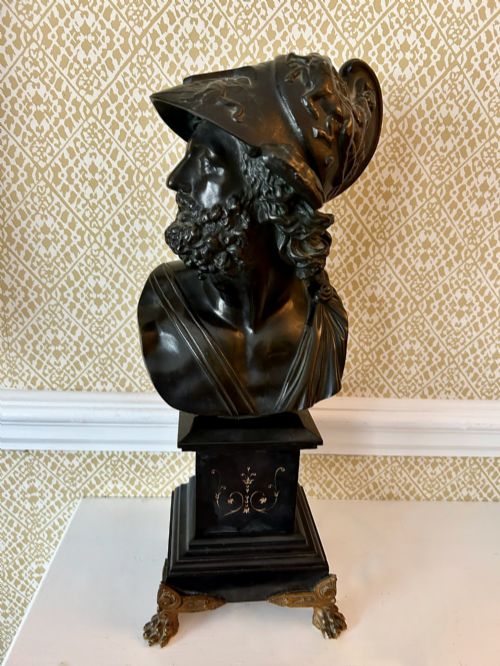
These pieces of bronze sculpture with marble unite cast metal figures and heavy stone bases into striking decorative objects.
Bronze Sculpture with Marble
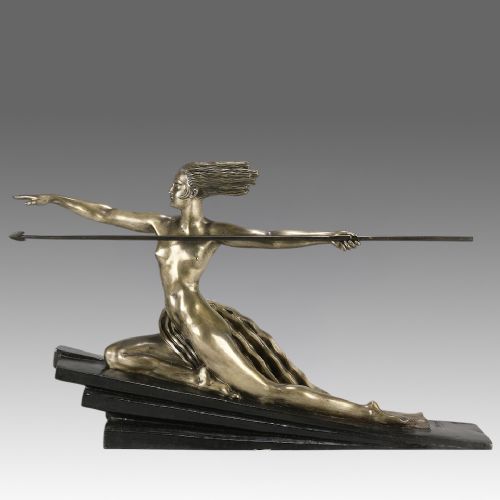
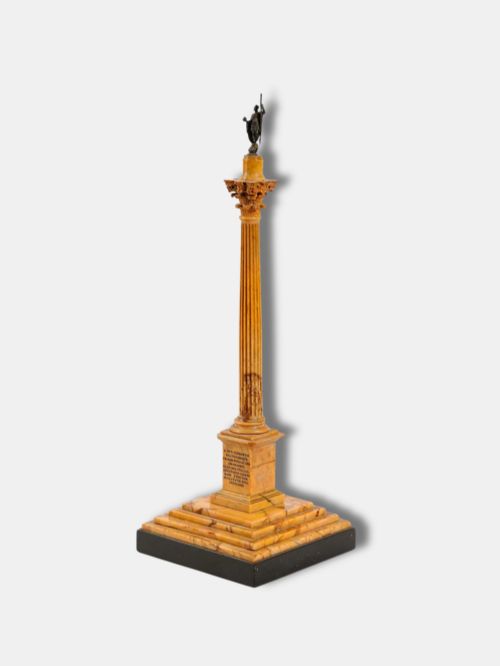
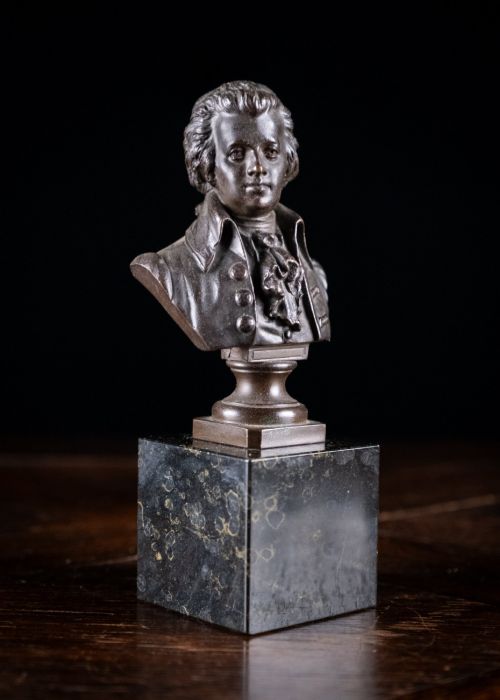
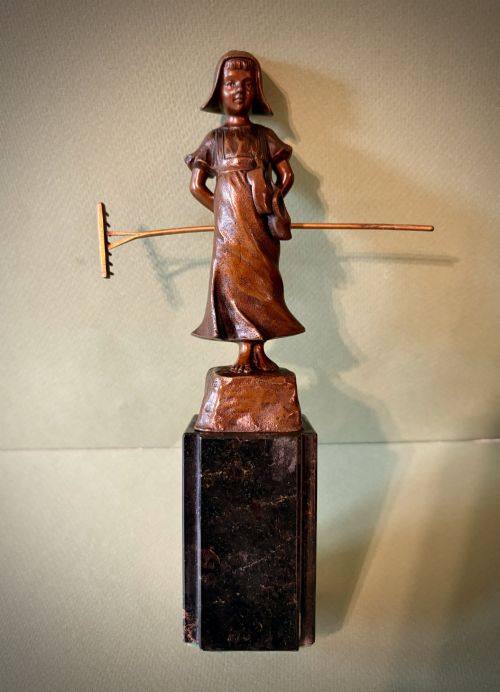
A bronze sculpture with marble brings together cast metal figures and substantial stone supports, ranging from small desk accessories to large mantel clocks and pedestals. Buyers encounter works spanning the nineteenth century through the art deco period, reflecting shifts in taste from neoclassical and grand tour souvenirs to streamlined modernist figures.
The objects frequently combine patinated or silvered bronze with contrasting stone plinths, onyx columns, and ormolu mounts. Common subjects include mythological figures, animals, children, and dancers, often mounted directly onto marble bases that anchor the composition.
Materials and construction
Foundries utilised traditional lost-wax casting and sand-casting methods to shape the bronze components, finishing the surfaces with various patinas or silvering. Craftsmen then mounted these metal figures onto turned or slab-cut marble, onyx, and slate bases, securing them with threaded bolts or pins.
Decorative elements often incorporate ormolu, applying gilt bronze mounts and collars to stone columns and clock cases to heighten the contrast between the polished metal and the veined stone.
Bronze Sculpture with Marble Retail Price Guide 2026
Typical asking prices for bronze sculpture with marble among the pieces listed under this phrase on Sellingantiques today, from the lower quarter to the upper quarter. They describe what is for sale here now, not the wider market.
Listings feature works spanning the nineteenth century through the art deco era, incorporating marble, onyx, and ormolu.
Assessing quality
Signed works and pieces retaining their original mounts and patination demonstrate greater integrity than those with mismatched components or later replacements.
Georges Gori·Gustave Dussart·Uriano·R Varnier·Claude Michel Clodian·Hans Müller·Emile Carlier·Alexandre Kelety·Geo Maxim·H Bal·Desire Grisard·Xavier Raphanel·Pierre le Faguays
The Bronze Sculpture with Marble Glossary
- Patina
- The surface coloration and chemical layer developed naturally on bronze over time or applied artificially by the founder. It protects the metal and defines the visual depth of the sculpture.
- Ormolu
- Gilt bronze produced by applying a finely ground gold-mercury amalgam to a bronze base and heating it to vaporise the mercury. This technique creates a rich golden finish on mounts and decorative details.
- Spelter
- A zinc alloy frequently used as a cheaper substitute for bronze in decorative figures and clock cases. It is lighter and softer than bronze.
- Grand Tour
- A cultural journey undertaken by wealthy young Europeans in the eighteenth and nineteenth centuries. Souvenirs included small bronze sculptures mounted on marble plinths.
- Lost-wax casting
- A metal-casting method where a wax model is melted out of a ceramic mould to create a cavity for molten bronze. This allows for intricate detail and undercut forms.
Bronze Sculpture with Marble: Frequently Asked Questions
How do I clean a bronze sculpture with marble?
Dust the bronze gently with a soft brush and wipe the marble using a damp cloth without harsh detergents. Avoid chemical solvents that can strip the patina from the metal or etch the polished stone.
Ensure moisture does not pool around the joints where the metal meets the marble base, as trapped dampness can discolour the stone over time.
Are these pieces original art deco works?
Many examples date from the nineteen-twenties and nineteen-thirties, capturing the geometric forms and stylised figures typical of the art deco period. Other pieces originate from the nineteenth century, reflecting earlier neoclassical or romantic tastes.
Reviewing the casting style, signatures, and material combinations helps determine whether a piece belongs to the nineteenth-century revival era or the later art deco movement.
How can I tell bronze from spelter?
Bronze is heavier, colder to the touch, and rings with a clear tone when tapped gently, whereas spelter is softer and more brittle. Examining any areas where the surface finish has worn away will reveal a dull grey metal underneath spelter rather than the warm reddish-brown of bronze.
Spelter figures also tend to show smoother, less defined chasing because the alloy does not hold fine detail as sharply as cast bronze.
Where should I display these sculptures?
Place them on stable, level surfaces such as mantelpieces, heavy sideboards, or dedicated pedestals that can support the considerable weight of the combined metal and stone. Keep them away from direct sunlight and excessive humidity to protect both the bronze patina and the polished marble.
Because many of these works feature delicate protruding elements like outstretched arms or animal limbs, position them where they will not be brushed against or knocked.