



Bronze Plinth
A bronze plinth provides a stable and solid mounting for sculptures, urns, and decorative figures across various historical periods.
Bronze Plinth
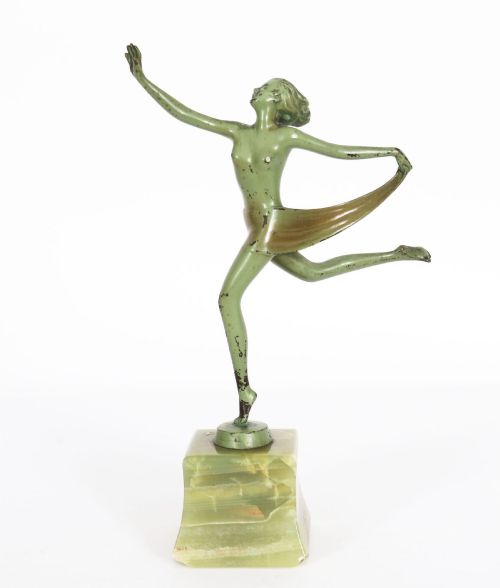
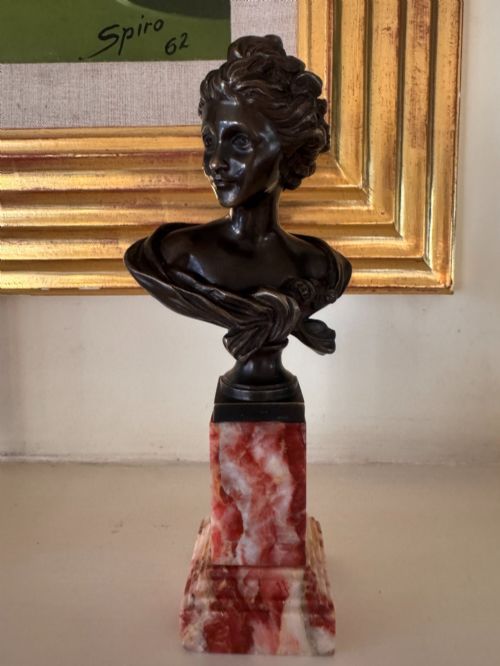
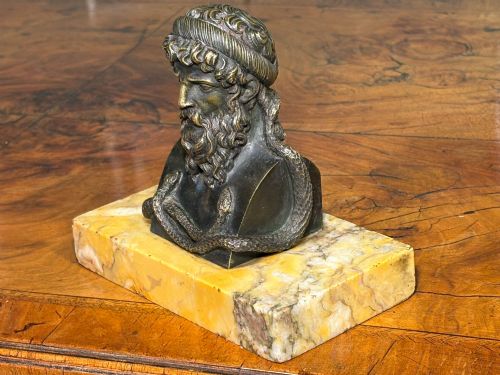
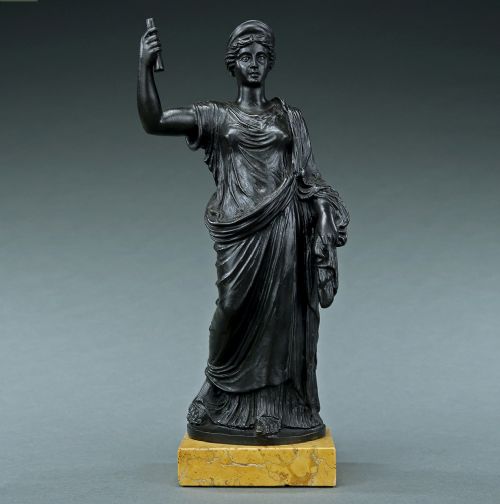
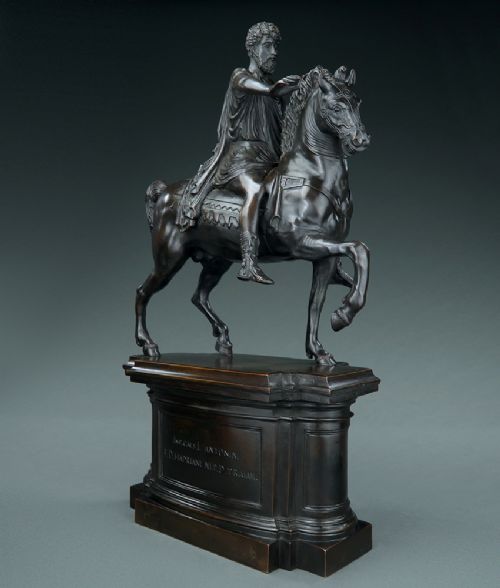
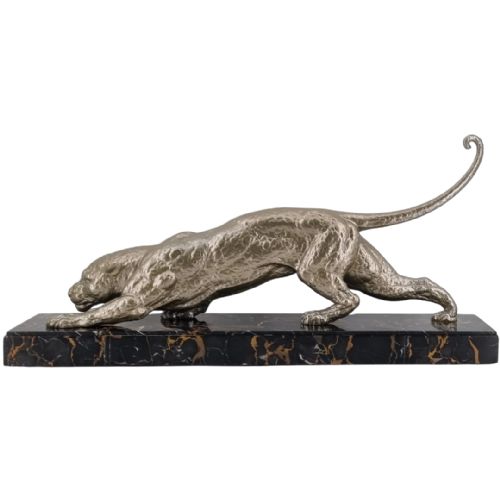
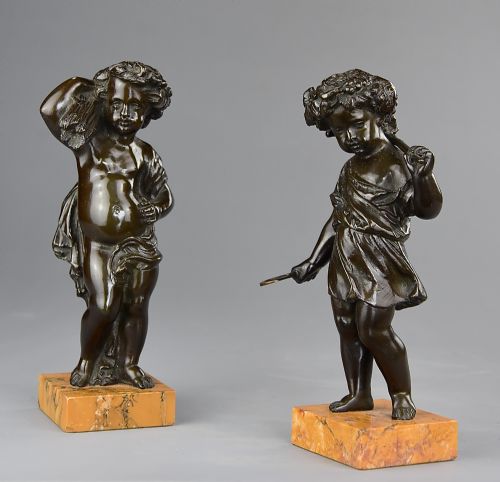
A bronze plinth typically serves as an architectural base, pedestal, or column designed to elevate sculptures, busts, and decorative vessels. These supports appear frequently in nineteenth-century works, alongside grand tour souvenirs and twentieth-century art deco objects.
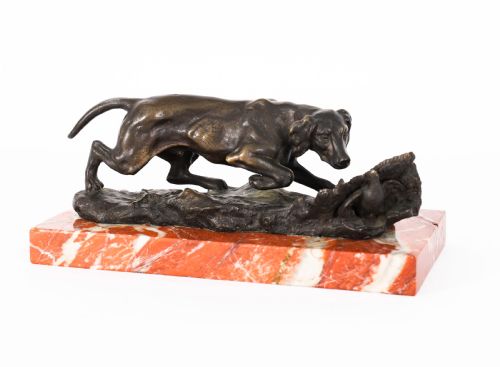
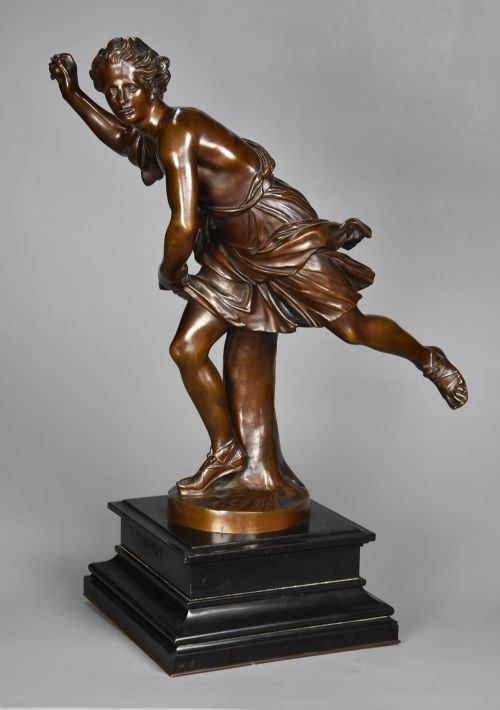
The selections on this page encompass materials like marble, onyx, and stone paired with cast metal components. Objects mounted upon these bases include animalier bronzes, classical figures, and monumental sphinxes.
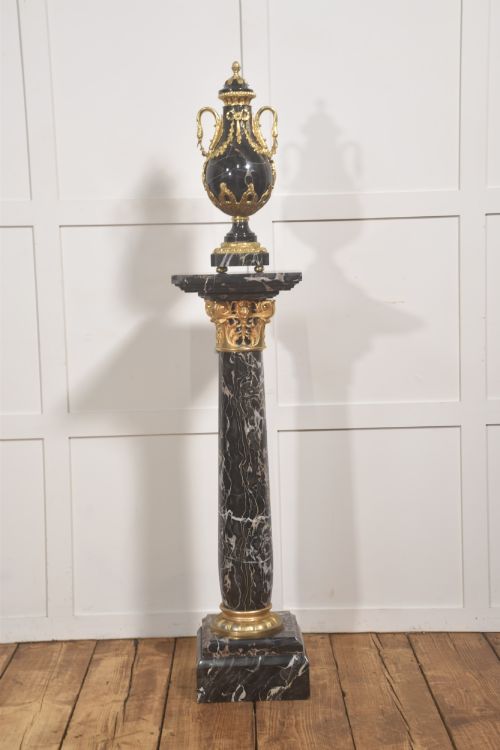
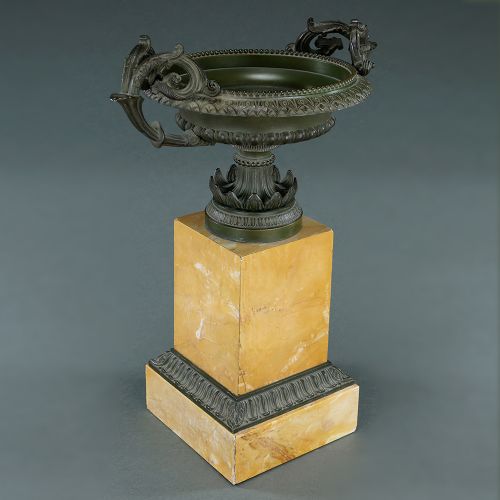
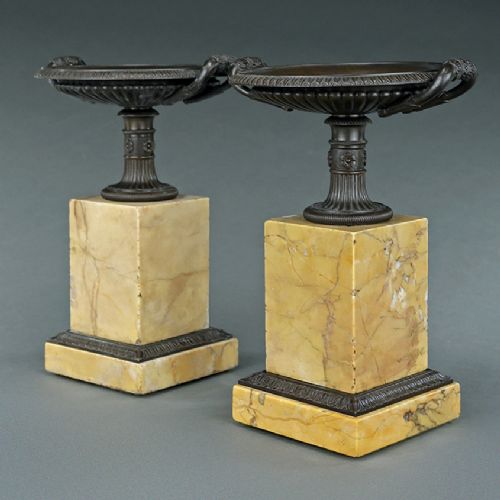
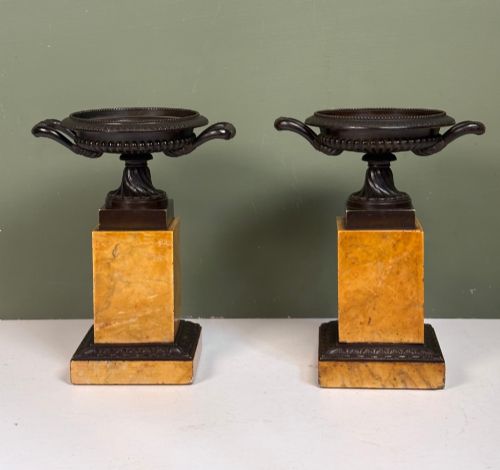
Buyers will encounter varied forms ranging from low block bases to tall columns and tazzas. Many items integrate natural stone plinths directly into the composition of the sculpture.
How they were made
Foundries utilised traditional casting techniques to shape bronze, gilt bronze, or ormolu into figures and mounts. Artisans then patinated the metal surfaces to achieve specific dark or metallic finishes.
Stonemasons cut and polished marble, onyx, and alabaster to form the supporting columns, blocks, and tazzas. Mechanics combined these stone elements with cast metal collars, bases, and figures using pins or threaded fixings.
Bronze Plinth Retail Price Guide 2026
Typical asking prices for bronze plinth among the pieces listed under this phrase on Sellingantiques today, from the lower quarter to the upper quarter. They describe what is for sale here now, not the wider market.
Listings feature items spanning the nineteenth and twentieth centuries, incorporating neoclassical, art deco, and egyptian revival styles.
What varies in quality
The selection and density of the supporting stone, such as figured Siena marble or fine onyx, influence the overall weight and visual depth of the base. Harmonious proportions between the upper bronze sculpture and the lower plinth determine the success of the piece.
Eugen Bormel·D. H. Chiparus·Carl Kauba·Barbedienne·Josef Lorenzl·Aristide Maillol
The Bronze Plinth Glossary
- Ormolu
- Gilded bronze ornamentation applied to furniture, clocks, and the mounts of marble or onyx pedestals. This decorative technique involves applying a mercury and gold amalgam to cast brass or bronze.
- Grand tour
- Souvenirs purchased by travellers undertaking educational journeys across Europe during the eighteenth and nineteenth centuries. These reductions of classical sculptures and architectural models were frequently mounted on stone bases.
- Campana
- A classical inverted bell-shaped form used for decorative vases and urns. Such vessels often sit upon stepped plinth bases or columns.
- Patinated metal
- Metal treated with chemicals, heat, or acids to produce a specific surface colour and texture. This finish protects the underlying alloy and creates varied chromatic effects.
- Tazza
- A shallow saucer-like vessel mounted on a stem and foot, frequently utilised as a decorative centrepiece. These items appear in bronze paired with marble components.
Bronze Plinth: Frequently Asked Questions
What is a bronze plinth used for?
A bronze plinth functions primarily as a sturdy architectural foundation or display mount for heavy metal sculptures, marble busts, and decorative urns. It elevates the artwork and adds visual weight to the display.
In many compositions, the plinth forms an integral part of the sculptural design, providing a contrasting texture of stone or polished metal beneath the main figure.
How do I identify a grand tour bronze?
Grand tour bronzes typically represent miniature reductions of famous classical statues, ruins, or architectural elements encountered by travellers in Italy and Greece. They frequently date from the nineteenth century and often feature polished marble or slate bases.
These pieces were produced as souvenirs for educated travellers, reflecting a strong interest in classical antiquity during the Victorian period.
What materials are combined with bronze?
Bronze is frequently paired with natural decorative stones such as Siena marble, Carrara marble, onyx, and alabaster for bases and columns. Gilt bronze and ormolu mounts are also commonly integrated into these stone structures.
These contrasting materials provide structural stability and introduce varied colours and textures to support the central sculpture or vessel.
How should I clean a marble and bronze base?
Dust bronze and stone surfaces gently with a soft, dry cloth to prevent the accumulation of dirt within crevices and carved details. Avoid using harsh chemical cleaners, abrasive cloths, or excessive water on patinated metal or porous stone.
Preserving the original surface finish requires minimal intervention and regular, gentle maintenance with appropriate conservation materials.