





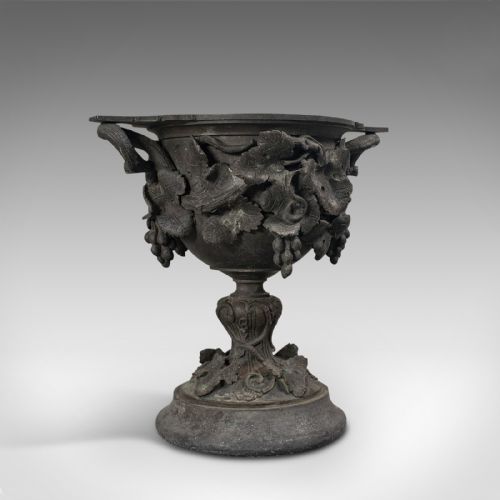

Bronze Pedestal Vessel
These bronze pedestal vessel pieces bring classical form and heavy metal presence into a room, offering a tangible link to Grand Tour collections.
Bronze Pedestal Vessel
When you search for bronze pedestal vessel items, you encounter a range of heavy metal forms derived from classical antiquity. These pieces draw heavily on Regency, Victorian, and nineteenth-century tastes for ancient shapes.
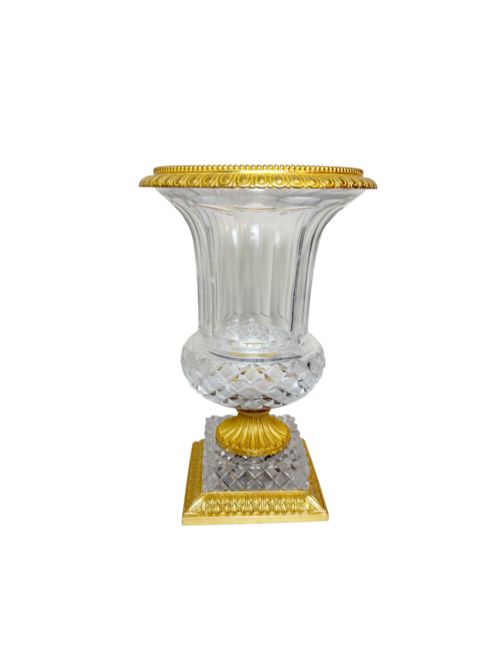
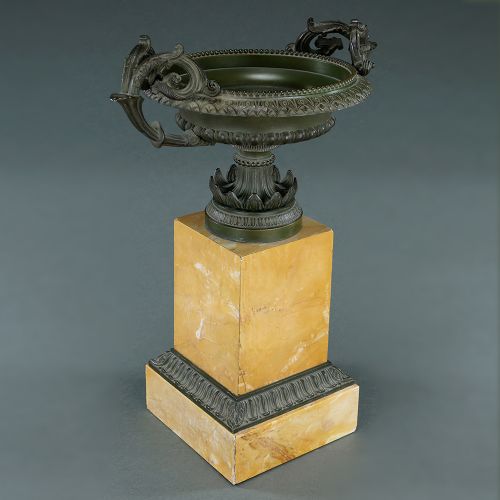
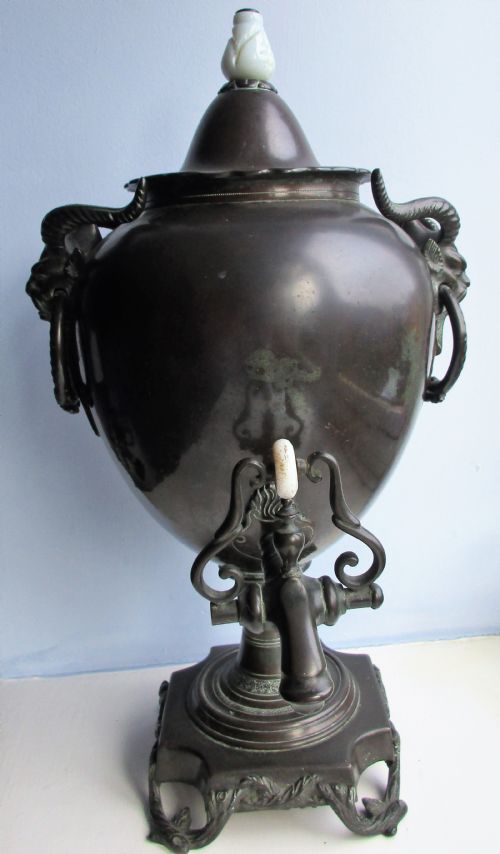
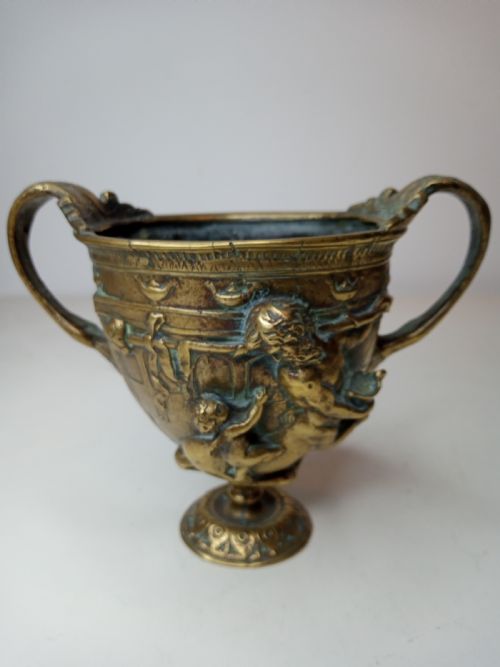
The selections on this page span decorative urns, campana-shaped vases, tea urns, and lidded bowls raised on stands. They include Grand Tour souvenirs from Italy alongside Japanese Edo period bronze bowls and planters.
You will find items varying from small drinking cups and goblet forms to large French campana-shaped vases and lidded vessels. Each example stands on a raised base or pedestal, fulfilling both decorative and container roles.
How they were made
Makers shaped these vessels using cast bronze, brass, patinated metal, and copper alloy, often pairing the metal with wooden pedestals or ceramic elements. Casting allowed workshops to achieve the crisp classical contours seen in campana urns and goblet forms.
Surface finish is central to these pieces, utilising patination to darken the bronze or brass and highlight classical relief details. Certain examples incorporate cloisonne enamel work or painted tinware finishes, adding colour and texture to the metallic body.
Bronze Pedestal Vessel Retail Price Guide 2026
Typical asking prices for bronze pedestal vessel among the pieces listed under this phrase on Sellingantiques today, from the lower quarter to the upper quarter. They describe what is for sale here now, not the wider market.
Materials span bronze, brass, patinated metal, copper alloy, ceramic, wood, and enamel.
What varies in quality
Quality in these vessels rests on the crispness of the casting and the depth of the metal patination. Better examples display sharp relief work on figures and foliage without softness in the cast lines.
The weight of the metal and the integrity of the joinery between vessel and pedestal separate standard production from superior pieces. Signed works by known makers or finely detailed Japanese Edo period bronzes command greater attention from collectors.
Benetfink And Co·Auguste Cain
The Bronze Pedestal Vessel Glossary
- Campana-shaped
- A vase or urn profile resembling an inverted bell, widely used in classical pottery and metalwork. This form is common in nineteenth-century French and Italian decorative bronze pieces.
- Grand Tour
- A cultural journey undertaken by wealthy Europeans in the eighteenth and nineteenth centuries to collect classical antiquities and souvenirs. Pieces associated with this movement often copy ancient Roman or Greek prototypes.
- Cloisonne
- An enamelling technique where metal wire creates compartments on a bronze or copper base to hold coloured enamel pastes. This method appears on mid-nineteenth-century Japanese pieces.
- Patination
- The natural or chemical alteration of a metal surface over time, resulting in a dark or coloured film. A stable patina enhances the visual depth of antique bronze.
- Kantharos
- An ancient Greek cup type with two high-swung handles and a stemmed base, replicated in metal during the nineteenth century. These items were used for drinking or ritual pouring.
Bronze Pedestal Vessel: Frequently Asked Questions
What is a bronze pedestal vessel used for?
These pieces functioned historically as tea urns, wine-coolers, planters, or purely decorative table objects. Their raised pedestal design gave them prominence in formal rooms.
Today, they serve as focal points on sideboards or mantels, holding floral arrangements or standing alone as sculptural elements.
How do I identify a Grand Tour piece?
Grand Tour items typically date from the nineteenth century and draw inspiration from ancient Italian archaeology. They are often cast in bronze or brass to resemble excavated artefacts.
Look for classical motifs, campana shapes, and dark patination that mimic museum antiquities collected during European travels.
What is the difference between bronze and brass?
Bronze is an alloy primarily of copper and tin, while brass is an alloy of copper and zinc. Both materials appear frequently in these pedestal vessels.
Bronze tends to take a richer, darker patina over time, whereas brass often shows a brighter, more golden metallic tone when polished.
How should I clean an antique bronze vessel?
Antique bronze relies on its age-related patina for character and historical value. Harsh metal polishes will strip this surface layer and reduce the piece's appeal.
Dust the vessel gently with a soft, dry cloth and avoid using water or chemical cleaners unless advised by a specialist.