





Bronze Pedestal Base
A bronze pedestal base anchors heavy stone vessels, figures and torcheres with structural resolve and classical gravity.
Bronze Pedestal Base
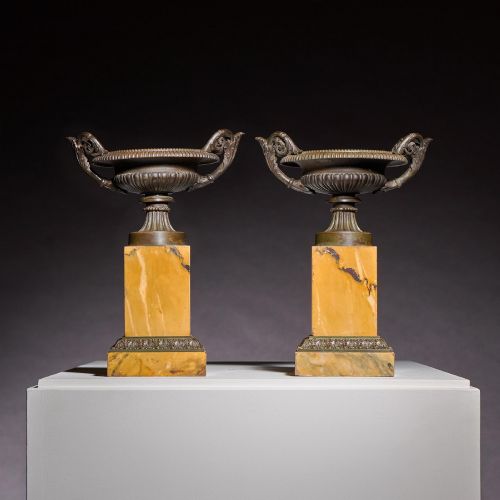
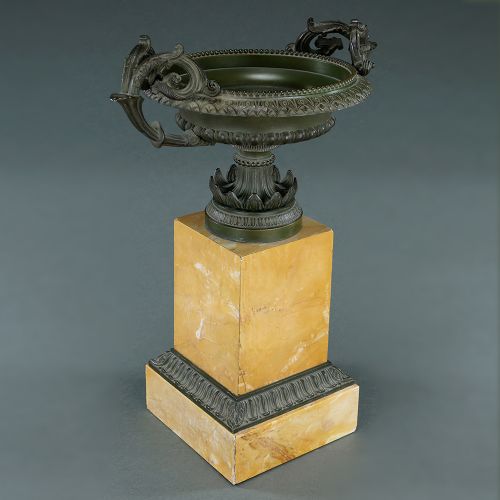
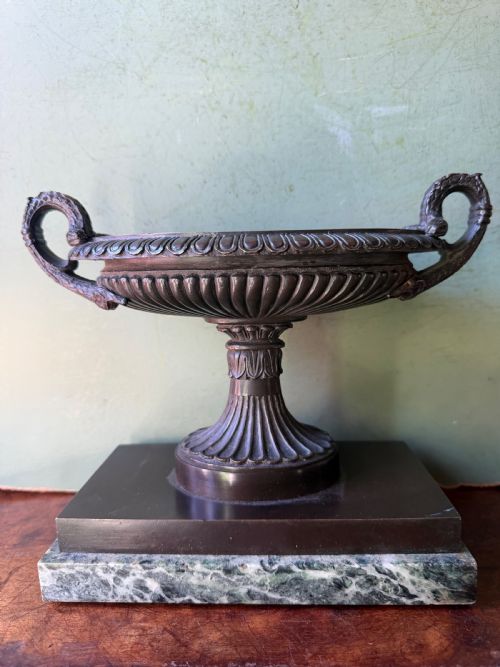
A bronze pedestal base provides the foundational support for a bronze pedestal base search, carrying sculptures, tazzas, urns and lamps. These supports elevate ornamental objects, shifting them from simple items on a surface to defined focal points.
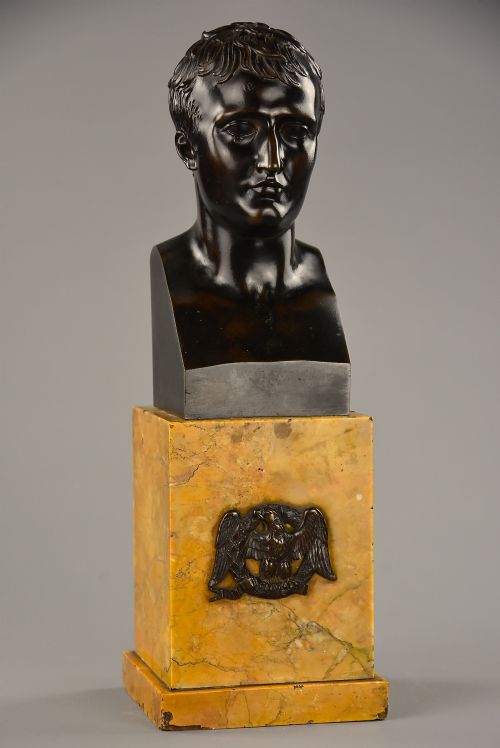
Most examples encountered here originate from the nineteenth century, ranging from French Empire and Neoclassical designs to later revival styles. Forms vary from stepped plinths and square columns to rounded tiers that lift the primary object.
Makers frequently combined the cast metal with contrasting materials to enhance the elevation. The base itself acts as an architectural punctuation mark for the sculpture or vessel resting above.
What varies in quality
The refinement of the casting and the crispness of the chased detail separate standard work from superior pieces. Better examples display clean edges on geometric plinths and delicate rendering on figural or botanical motifs.
Material selection and structural integration also determine the calibre of the piece. The harmonious fit between the metal mount and stone or wood sections indicates the maker's level of skill.
Bronze Pedestal Base Retail Price Guide 2026
Typical asking prices for bronze pedestal base among the pieces listed under this phrase on Sellingantiques today, from the lower quarter to the upper quarter. They describe what is for sale here now, not the wider market.
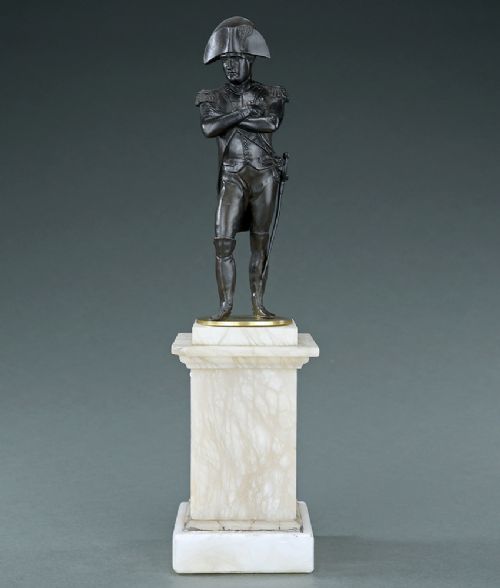
Elephants and putti share the floor with solemn emperors, proving that nineteenth-century metalworkers possessed both high classical ambition and a healthy sense of fun.
Josef Lorenzl·Emile Guillemin·Antonio Merente·Messina Roma·Willems·Gyoko·E.Villanis
The Bronze Pedestal Base Glossary
- Ormolu
- Gilded bronze produced by applying a mercury and gold amalgam to the metal surface. This technique creates a durable, warm golden finish seen on many nineteenth-century mounts.
- Tazza
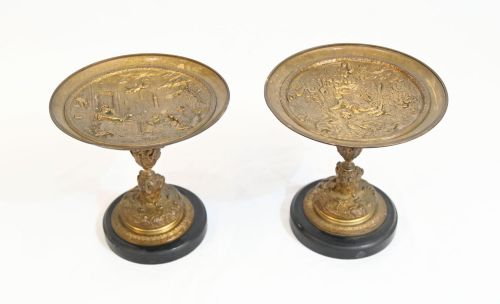
- A shallow ornamental cup or vessel mounted upon a stem and a foot. Classical examples often sit directly on a distinct pedestal base.
- Spelter
- A zinc alloy utilised as an economical alternative to bronze. It frequently mimics bronze through applied patination.
- Gueridon
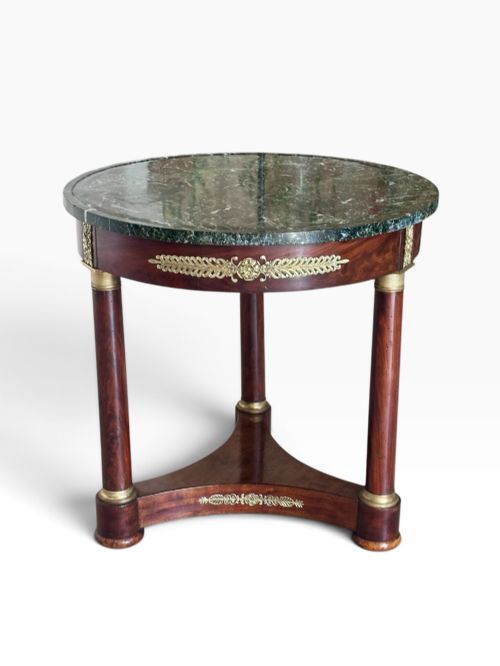
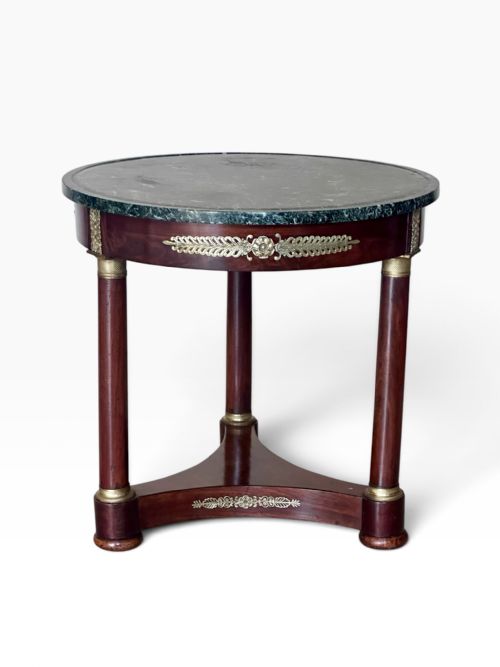
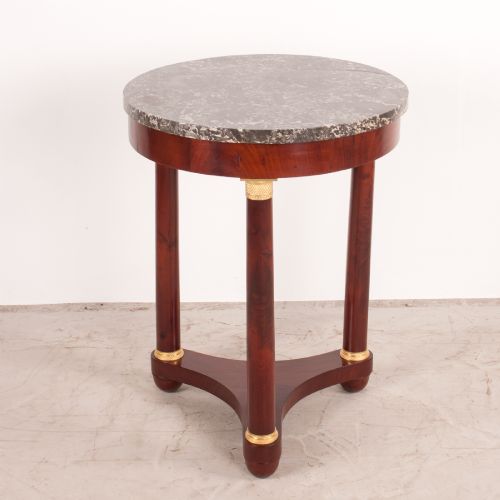
- A small French table supported by one or more central columns or pedestals. These tables often incorporate marble and bronze mounts.
- Torchere
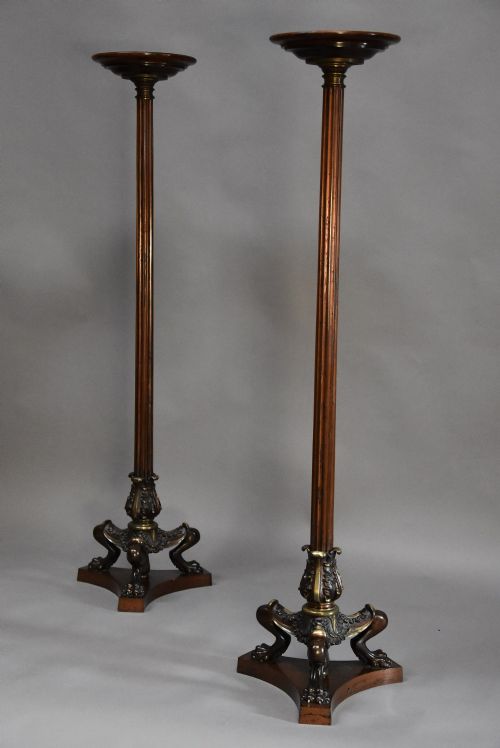
- A tall decorative stand or floor lamp designed to hold a light source. They typically feature prominent vertical shafts raised on heavy bases.
Bronze Pedestal Base: Frequently Asked Questions
What is a bronze pedestal base?
A bronze pedestal base is the structural foundation that elevates and supports decorative objects such as sculptures, tazzas, and urns. It provides both physical stability and aesthetic proportion to the piece above.
These bases frequently incorporate contrasting materials like marble or mahogany alongside cast bronze or ormolu. They appear across various nineteenth-century styles, including French Empire and Neoclassical designs.
How were marble and bronze combined?
Craftspeople joined cast metal components to stone sections using internal pins, screws, or adhesives during assembly. This method allowed heavy stone plinths to support cantilevered bronze figures or shallow dishes securely.
Materials like Siena marble and malachite provided colourful, heavy foundations that anchored lighter bronze sculptures and ornamental vessels.
How do I identify nineteenth-century pieces?
Nineteenth-century pieces typically exhibit specific historical revival styles, such as French Empire, Neoclassical, or Regency. Examining the casting texture, patination, and the method of joining base materials helps determine the age.
Makers of this era often signed the bronze directly or utilised specific foundry marks. The integration of materials like ormolu and hand-chased gilt bronze also points toward this period.
Where should I place a heavy base?
Heavy bronze and marble supports require sturdy furniture surfaces or dedicated floor space to bear their substantial weight safely. Placing them away from busy household traffic protects projecting elements like tazza rims and mounted figures.
Ensure the supporting surface is level to distribute the concentrated weight of the stone and metal evenly.