



Bronze Mythological Statuette
A bronze mythological statuette brings classical antiquity and romantic narrative into a room through small-scale metalwork.
Bronze Mythological Statuette
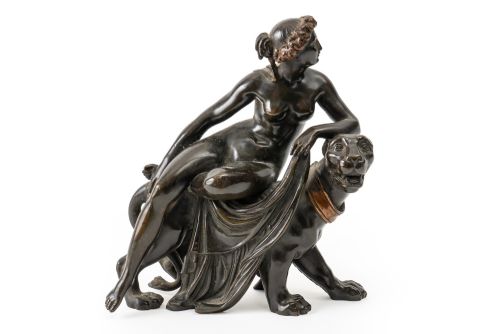
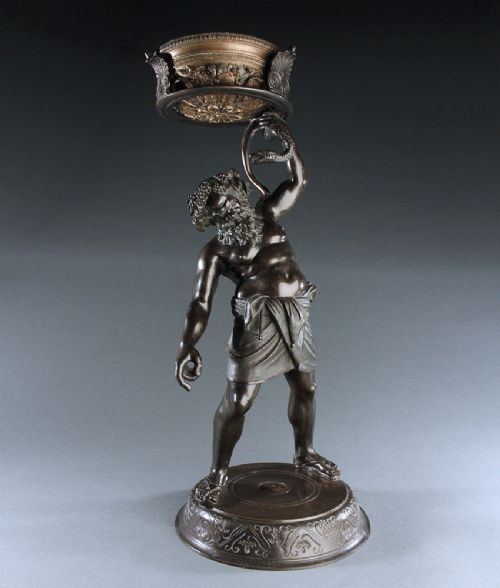
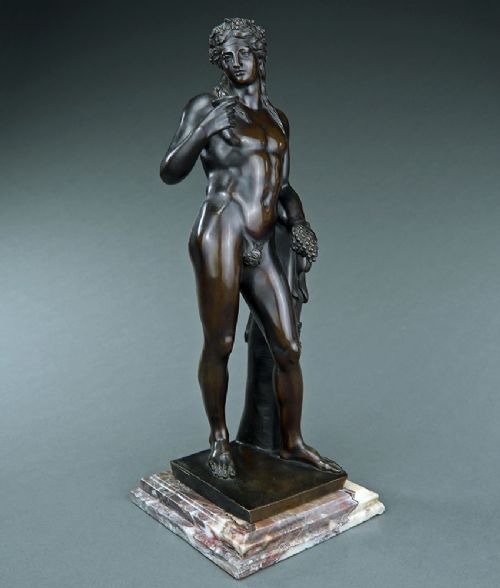
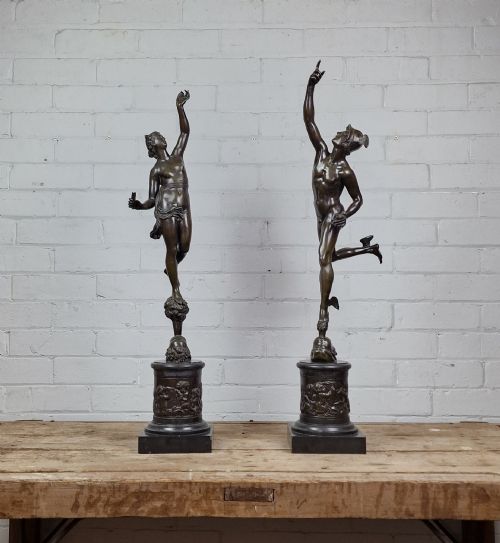
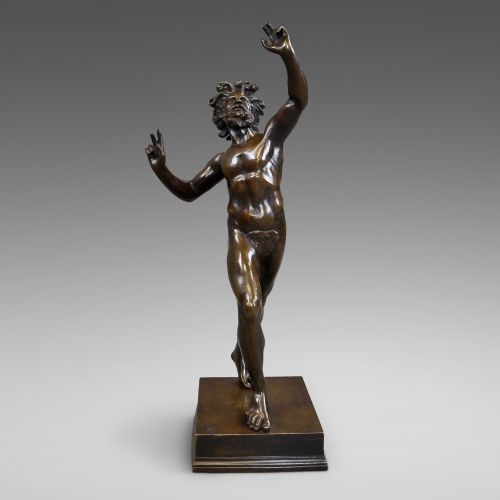
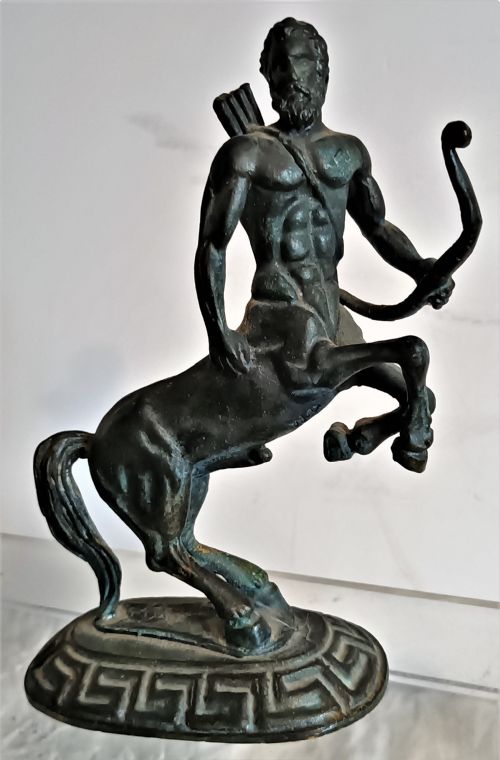
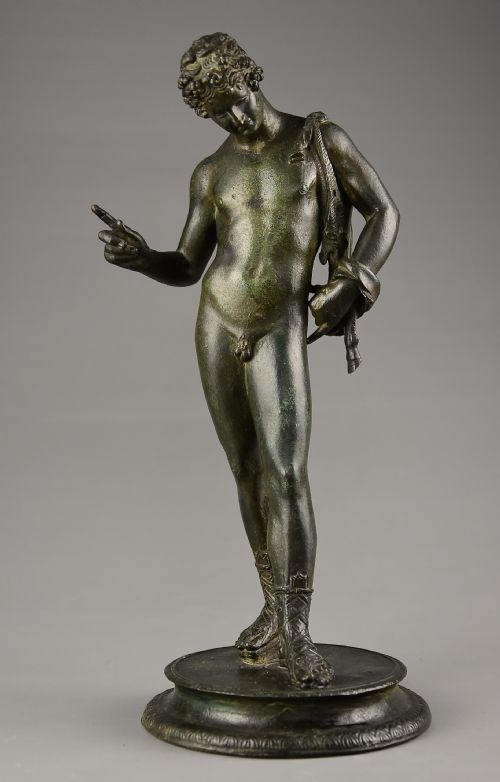
A bronze mythological statuette draws upon classical antiquity, depicting figures such as the dancing faun, Mercury, Narcissus, and various deities from ancient narratives. These pieces frequently manifest as Grand Tour souvenirs originating from Italy during the nineteenth century, intended to capture the cultural education of travellers.
The sculptural forms range from solitary standing figures and dancers to intricate groups involving animals or multiple deities, cast to replicate celebrated classical and Renaissance originals. Collectors encounter subjects like the Abduction of a Sabine Woman, Perseus, and various depictions of satyrs and nymphs.
Most examples date across the eighteenth, nineteenth, and early twentieth centuries, reflecting enduring revivalist tastes. They sit comfortably on desks, mantels, or pedestals, offering tangible links to classical sculpture on a domestic scale.
Materials and casting techniques
Makers utilised bronze, cast bronze, and patinated bronze as the primary medium, frequently mounting the completed metal figures upon marble or black slate bases for stability and contrast. Brass and patinated metal also appear in specific castings.
The production relied upon traditional foundry techniques, often reproducing famous museum pieces or Renaissance models by masters like Giambologna and Cellini. Artisans applied chemical patination to achieve deep dark green, brown, or golden surface tones that emulate ancient excavation finds.
Bronze Mythological Statuette Retail Price Guide 2026
Typical asking prices for bronze mythological statuette among the pieces listed under this phrase on Sellingantiques today, from the lower quarter to the upper quarter. They describe what is for sale here now, not the wider market.
Listings feature periods spanning from the eighteenth century through to the early twentieth century, with a strong concentration of nineteenth-century Grand Tour items.
Judging the work
The depth and nuance of the patination differentiate superior examples from simpler commercial souvenirs. Heavy, stable mounting on quality marble or slate bases further elevates the standing of a piece.
Auguste Moreau·Edward Aagaard·Albert Hussmann·Michele Amodio·Louis Auguste Moreau·Louis Ernest Barrias
The Bronze Mythological Statuette Glossary
- Grand Tour
- A cultural journey undertaken by wealthy young Europeans through France and Italy to study classical art. Souvenirs purchased along the route often included small bronzes of famous antiquities.
- Patination
- The chemical treatment or natural weathering applied to the surface of the metal. This process creates distinctive colouration and protects the underlying bronze.
- Lost-wax casting
- A traditional method where a molten metal is poured into a mould created by melting away a wax model. This technique allows for intricate detail and undercut forms.
- Neoclassical
- An artistic movement drawing inspiration from the art and culture of classical antiquity. It prioritises proportion, restraint, and mythological subject matter.
Bronze Mythological Statuette: Frequently Asked Questions
What is a Grand Tour bronze?
A Grand Tour bronze is a nineteenth-century souvenir statuette cast in Italy for travellers visiting classical ruins and museums.
These pieces reproduced famous ancient sculptures on a smaller scale for display in British and European homes.
How do I identify mythological subjects?
Look for specific attributes carried by the figures, such as winged sandals on Mercury or musical pipes held by a faun or satyr.
Inscriptions, titles on bases, and classical iconography typically reveal the narrative depicted in the casting.
Where should I display these statuettes?
These pieces suit stable surfaces like desk tops, bookcases, or mantelpieces where their detailing can be observed at close range.
Ensure they are placed away from excessive moisture and direct heat to protect the metal patination and any stone bases.
Are these pieces original antiques?
The listings consist primarily of nineteenth-century castings, alongside some eighteenth-century and early twentieth-century examples.
Many are period reproductions after earlier Renaissance or classical masters rather than contemporary works.