




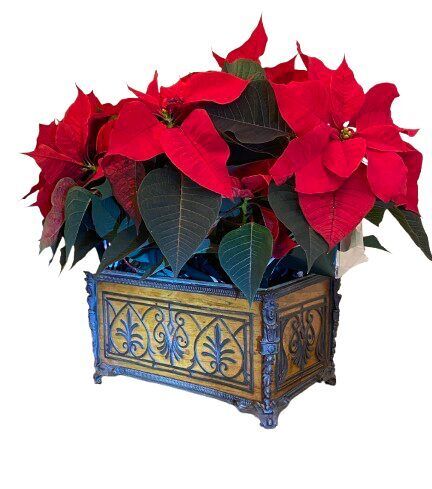


Bronze Mounted Box
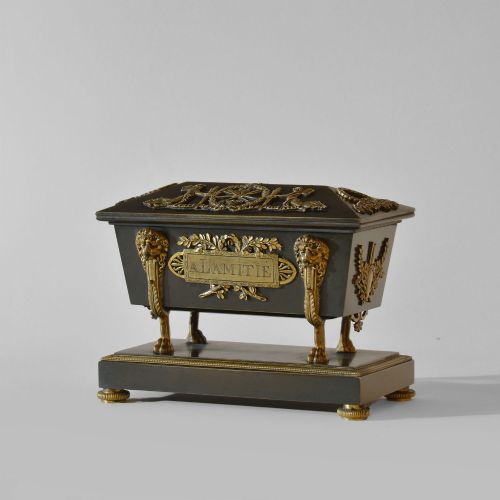
A bronze mounted box brings together heavy metal mounts and fine wooden or glass bodies, offering a decorative home for letters, trinkets or jewels.
Bronze Mounted Box
A bronze mounted box unites a functional vessel with ornamental metalwork, typically taking the form of a jewellery casket, glass box, or decorative container designed for domestic display. When exploring options for a bronze mounted box, buyers frequently encounter pieces originating from nineteenth-century France, spanning periods from the Charles X era through the late Victorian decades.
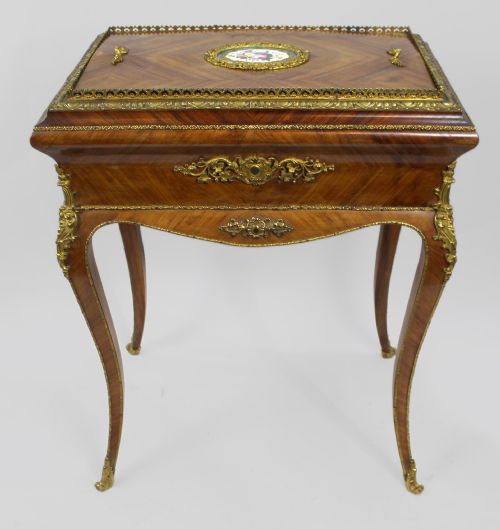
The materials housing these mounts vary widely across the selection, ranging from figured timbers such as kingwood, rosewood, and olive wood to moulded glass, porcelain plaques, and cut crystal. Ormolu and gilt bronze mounts frame these bodies, transforming simple storage items into elaborate decorative accents for the interior.
Materials and construction
The construction relies on combining a rigid internal structure of timber, glass, or ceramic with cast and chased metal mounts. Cabinetmakers shaped veneers like kingwood and mahogany onto carcases, while glass and crystal boxes utilised heavy walled panels joined securely at the corners.
Mounts of ormolu, gilt bronze, and brass were cast separately and then meticulously applied to the exterior. Artisans secured these metal elements using small pins or screws, accentuating the contours of the box and providing structural reinforcement to the edges and corners.
Bronze Mounted Box Retail Price Guide 2026
Typical asking prices for bronze mounted box among the pieces listed under this phrase on Sellingantiques today, from the lower quarter to the upper quarter. They describe what is for sale here now, not the wider market.
The listings feature nineteenth-century French pieces utilising materials such as ormolu, kingwood, Baccarat glass, and Sevres porcelain.
Assessing quality and craftsmanship
The refinement of the cast metalwork distinguishes superior examples, where the chasing is sharp, deep, and clearly defined rather than soft or flat. High-grade ormolu displays a rich, warm gilding tone that catches the light evenly across every decorative scroll and leaf.
The precision of the joinery and the selection of the primary material also dictate the standing of a piece. Fine timber boxes feature carefully matched grain patterns and tight veneer work, while glass and crystal vessels rely on clean bevels, heavy weight, and secure mount settings.
Tahan of Paris·Victor Raulin
The Bronze Mounted Box Glossary
- Ormolu
- Gilded bronze, produced by applying a mercury and gold amalgam to a bronze base and heating it to drive off the mercury. This technique creates a durable, luminous golden finish characteristic of nineteenth-century decorative hardware.
- Kingwood
- A dense, richly figured tropical timber with dark brown and violet stripes, widely utilised by French cabinetmakers for veneering luxury furniture and boxes. It provides a striking contrast against bright ormolu mounts.
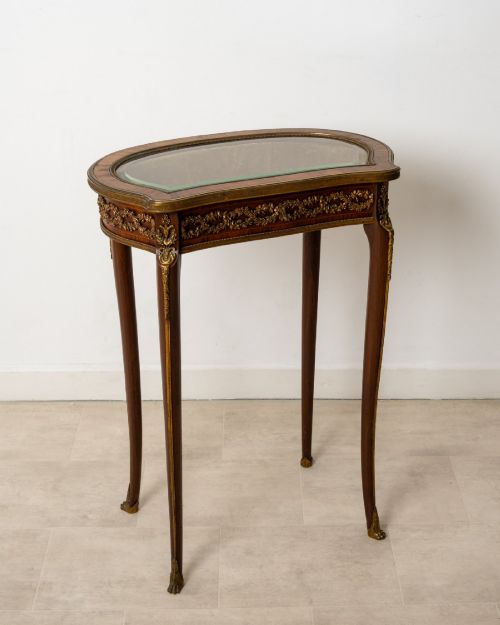
- Bijouterie table
- A glass-topped display table designed specifically for showcasing small valuables, jewellery, and curiosities. These pieces often feature hinged lids and velvet-lined interiors.
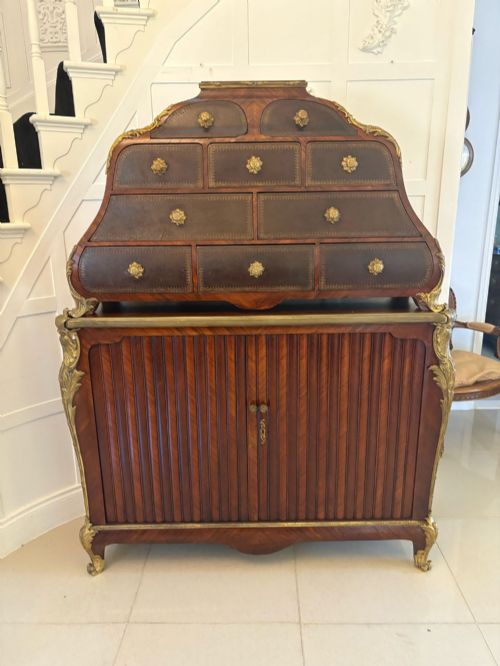
- Cartonnier
- A decorative cabinet or box system originally designed for sorting and storing papers, letters, and documents. They frequently incorporate multiple internal drawers or compartments beneath elaborate mounts.
Bronze Mounted Box: Frequently Asked Questions
What were these boxes used for originally?
These decorative containers served multiple purposes in nineteenth-century homes, housing personal letters, writing supplies, small trinkets, or valuable jewels. Many were kept on dressing tables or writing desks for daily use.
Larger versions functioned as display pieces in formal reception rooms, allowing hosts to exhibit collected curiosities, porcelain plaques, or fine glasswork to visiting guests.
How do I care for a bronze mounted box?
Keep these boxes away from direct sunlight and extreme temperature fluctuations to protect delicate wood veneers, glued joints, and fragile porcelain or glass elements. Dust the exterior gently with a dry, soft cloth.
Avoid using harsh chemical polishes or water on the ormolu mounts and wooden surfaces, as abrasive cleaners can strip the original gilding and damage the historic finish.
How do I tell nineteenth century pieces apart?
Dating relies on examining the construction methods, styling cues, and material combinations characteristic of specific decades. Pieces from the early nineteenth century often reflect architectural restraint, whereas later Victorian and Napoleon III items lean towards elaborate revival styles.
Makers' stamps, lock signatures, and the specific casting technique of the bronze mounts also provide reliable clues for narrowing down the production period.
Are the interiors usually original?
Many surviving boxes retain their original silk, velvet, or paper linings, though some have been restored over time due to natural wear and tear from use. Original linings often show fading and gentle indentation matching the items they once held.
Replacement interiors are common in well-used pieces and do not detract from the decorative appeal of the exterior cabinetry and bronze work.