





Bronze Hound Figure
A bronze hound figure captures the alert tension of the hunt through enduring metal.
Bronze Hound Figure
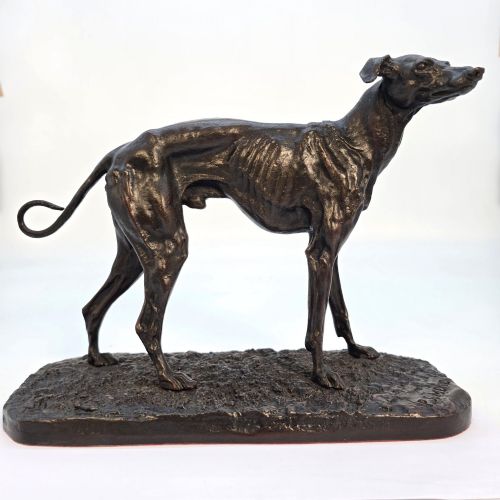
A bronze hound figure is a sculptural representation of dogs used in hunting, ranging from greyhounds and sighthounds to setters and basset hounds. These pieces span from the nineteenth century into the twentieth century, embracing Victorian academic realism and later modernist interpretations.
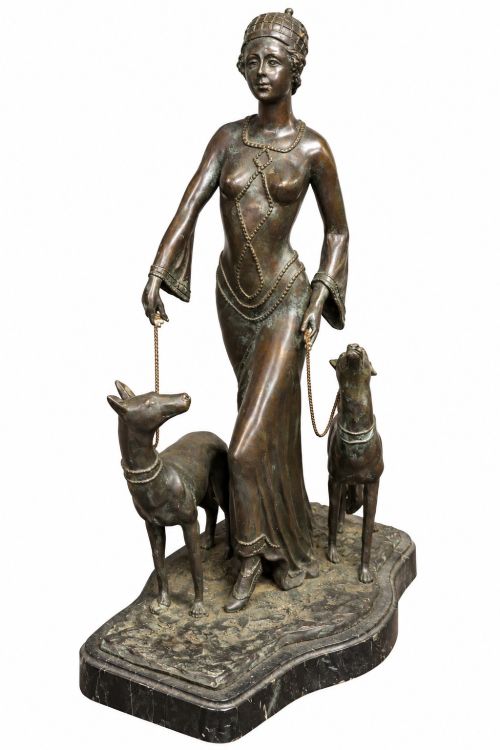
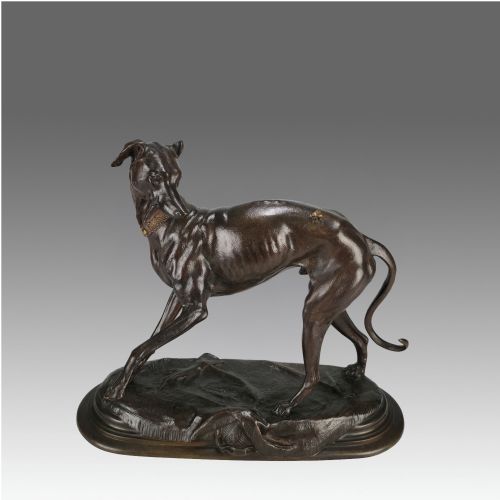
The version most commonly encountered on this page is the nineteenth-century animalier study, depicting hounds in realistic anatomical poses often paired with prey such as birds or pheasants. Another frequent form is the Art Deco figural group, which pairs streamlined hounds with human figures on substantial stone bases.
Origins heavily reflect French animalier traditions alongside Russian and English workshops. Sculptors captured these animals standing, recumbent, or mid-stride, translating observed canine musculature directly into cast metal.
How they were made
Makers utilised traditional lost-wax casting methods to capture fine anatomical details in bronze, patinated bronze, and spelter. These metal figures were then mounted onto bases formed from marble, onyx, or wood to provide stability and visual contrast.
Surface treatments included applied patination to simulate natural coat colours and the incorporation of ormolu highlights. Some works involved multi-part assembly, joining separately cast metal hounds and game onto stone plinths.
Bronze Hound Figure Retail Price Guide 2026
Typical asking prices for bronze hound figure among the pieces listed under this phrase on Sellingantiques today, from the lower quarter to the upper quarter. They describe what is for sale here now, not the wider market.
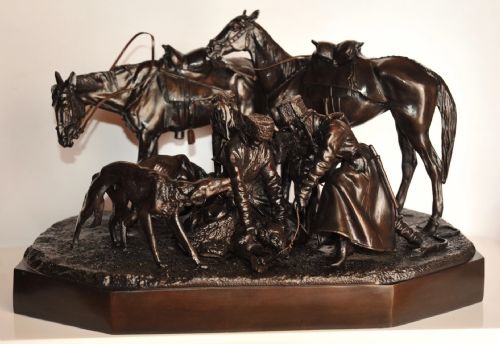
Subject matter ranges from solitary greyhounds and setters to complex hunting scenes featuring birds and human figures.
What varies in quality
The refinement of the casting and the crispness of the chasing separate standard foundry output from masterworks. Superior patination preserves subtle tonal gradations across the hound's coat, whereas lesser examples lose definition in the musculature and fur.
The quality of the material base also dictates overall standard, with dense polished marble or onyx providing a more appropriate weight and finish than simpler wooden mounts.
P. J. Mène·Alfred Barye·Georges Gori·Arthur Waagen·Geo Maxim·Joseph Francois Victor Chemin·Christophe Fratin·Dubucand·Nikolai Lieberich·Barbedienne
The Bronze Hound Figure Glossary
- Animalier
- A nineteenth-century artistic movement focused on the realistic depiction of animals, particularly in sculpture. Practitioners studied live subjects extensively to convey accurate movement and anatomy.
- Spelter
- A zinc alloy frequently used as a cost-effective substitute for bronze during the early twentieth century. It accepts metallic finishes well but possesses a lighter weight and softer structure.
- Patination
- The chemical treatment or natural oxidation applied to the surface of bronze to alter its colour. This process enhances depth and protects the underlying metal.
- Ormolu
- Gilded bronze used for decorative highlights and mounts. The technique involves applying a gold amalgam to the metal surface.
- Sighthound
- A type of dog that hunts primarily by speed and sight, commonly represented in sculpture due to its slender, athletic proportions.
Bronze Hound Figure: Frequently Asked Questions
How do I date a bronze hound?
Dating relies on stylistic markers and foundry signatures. Nineteenth-century pieces typically exhibit detailed academic realism, while 1920s and 1930s examples lean towards geometric Art Deco stylisation.
Material composition also helps narrow the date, as spelter became more common in commercial figures during the twentieth century compared to earlier solid bronze casts.
Where were these sculptures displayed?
These figures were designed as cabinet bronzes or mantelpiece ornaments for nineteenth-century parlours and later modernist interiors. Their substantial weight suited them for placement on desks and sideboards.
Many incorporated marble or onyx bases specifically to protect domestic furniture surfaces while anchoring the composition.
What is the difference between bronze and spelter?
Bronze is a durable alloy of copper and tin capable of holding extremely sharp chisel and file work. Spelter is a softer zinc-based metal that feels lighter and requires careful handling to prevent surface damage.
Foundries used spelter as an accessible alternative to bronze, particularly for decorative figural groups produced during the Art Deco period.
How do I care for a bronze figure?
Maintenance requires only gentle dusting with a soft, dry cloth to prevent the accumulation of grit in recessed details. Avoid using commercial metal polishes, which can strip away the historical patination.
Keeping the sculpture away from direct moisture and extreme temperature fluctuations preserves both the metal surface and the stone base.