




Bronze Head Marble Base
A bronze head marble base unites classical portraiture with solid mineral weight, offering the collector a grounded display piece with genuine presence.

Bronze Head Marble Base
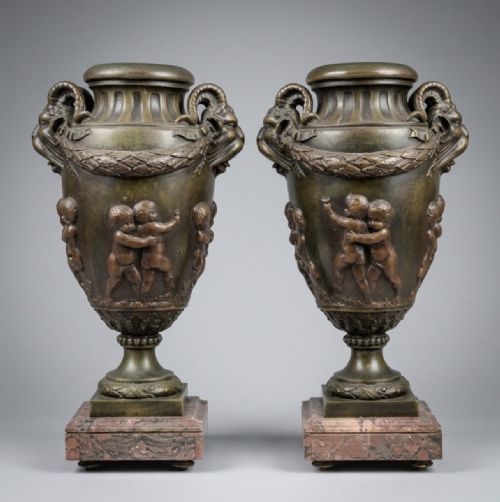
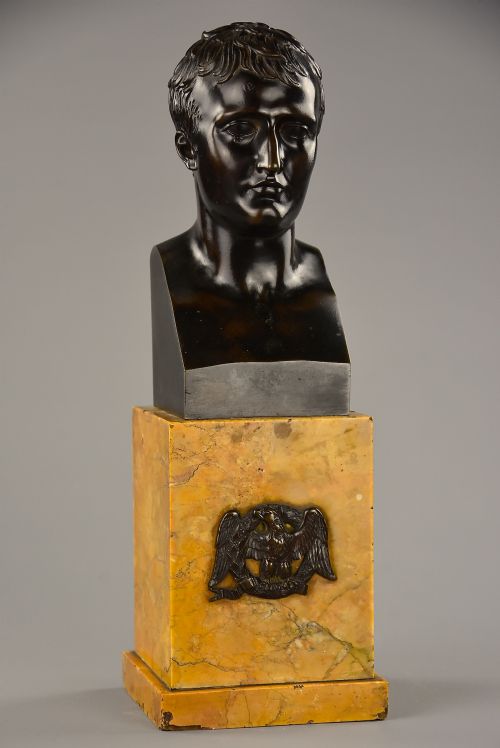
A bronze head marble base combination brings together cast metal portraiture or decorative forms mounted directly onto stone plinths. These pieces range from portrait busts of historical and mythological figures to decorative urns, cornucopias, and fountain heads originating across the nineteenth century.
Buyers meet works spanning neoclassical, Grand Tour, art nouveau, and French empire styles, often drawing on classical antiquity, Renaissance models, or literary subjects. The sculptural subjects include deities, historical rulers, poets, and allegorical figures mounted upon varied marble plinths.
The objects serve primarily as decorative sculptures, mantel ornaments, and desk accessories designed for prominent display within a room. Their physical presence relies on the contrast between dark or patinated metals and the cool, heavy grain of the stone base.
Materials and construction
The sculptural elements utilise cast bronze, patinated metal, gilded bronze, or spelter, shaped through traditional foundry methods. Metal workers applied patination, verdigris, or gilding to achieve specific surface tones and historical finishes.
Supporting elements employ various grades of marble or alabaster, shaped into plinths, bases, and columns to anchor the heavier metal work above. Artisans secured the bronze components to the stone mounts using threaded pins or internal fixings.
Among the historical subjects resting on stone, the god of sleep shares display space with Dante, Shakespeare, and Napoleon.
Quality and execution
The selection of the marble base and the harmony between stone and metal also separate standard productions from superior works. Heavier, well-figured marble plinths matched specifically to the proportion of the bust indicate higher workshop standards.
George Minne·Alajos Strobl·Emmanuel Villanis·Eutrope Bouret
The Bronze Head Marble Base Glossary
- Patina
- The surface coloration and oxidation developed naturally over time or applied chemically by the foundry. This finish adds depth and protects the underlying metal.
- Grand Tour
- A nineteenth-century tradition of travel through Europe where collectors acquired small-scale bronze antiquities and classical copies as souvenirs. These pieces often replicate museum sculptures in miniature.
- Spelter
- A zinc alloy commonly used as an alternative to bronze for decorative metalwork. It accepts bronzed or painted finishes to simulate heavier metals.
- Ormolu
- Gilt bronze created by applying a mixture of mercury and gold to a bronze base and heating the object. This technique yields a durable, rich golden surface.
Bronze Head Marble Base: Frequently Asked Questions
What periods do these pieces date from?
The pieces span the nineteenth century, with specific examples dated across the 1870s, 1880s, 1890s, and around 1900. Many reflect earlier classical or Renaissance models reinterpreted during this Victorian and Edwardian era.
Stylistic markers range from strict neoclassical severity to flowing art nouveau lines and academic Grand Tour souvenir casting.
How do I distinguish bronze from spelter?
Bronze offers a heavier weight and a sonorous ring when gently tapped, while spelter feels lighter and more brittle. Bronze also accepts a deeper, more enduring patina.
Examining the underside or concealed interior areas often reveals the paler grey metal colour characteristic of zinc-based spelter beneath the surface finish.
Where were these sculptures displayed originally?
Nineteenth-century interiors featured these works upon library desks, mantelpieces, entrance hall tables, and dedicated sculpture pedestals. They signaled the owner's classical education and cultured travel.
Collectors placed portrait busts and decorative urns to command visual attention within domestic studies and formal reception rooms.
How do I care for marble and bronze?
Bronze surfaces require only gentle dusting with a soft, dry cloth to prevent the accumulation of abrasive particles. Avoid commercial cleaning liquids that strip historical patination.
Marble bases benefit from occasional wiping with a damp cloth, followed immediately by thorough drying to protect the porous stone surface from staining.