






Bronze Goddess Figurine
A bronze goddess figurine brings the ancient pantheon home through enduring metalwork, offering classical presence and mythological weight to any room.
Bronze Goddess Figurine
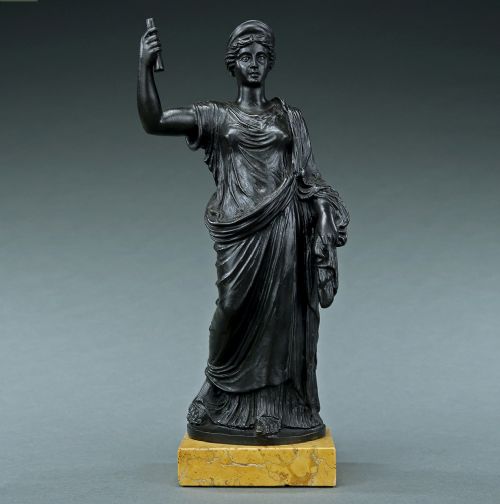
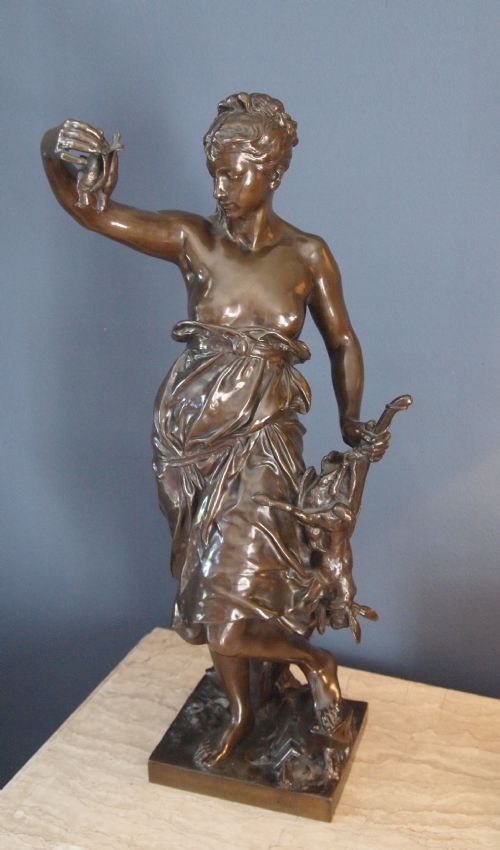
A bronze goddess figurine represents mythological figures cast in metal, spanning classical European revivals and Eastern sacred art. Buyers seeking a bronze goddess figurine often encounter nineteenth century Grand Tour souvenirs modeled after antique sculptures, alongside French academic pieces and Buddhist statuary.
The selections range from depictions of Venus and Juno to representations of Tara and Astarte. These works appear as patinated or gilded figures mounted on marble plinths or standing independently.
How they were made
The fabrication relies primarily on cast bronze, often paired with marble plinths, wood, or brass elements. Surfaces receive patination or layers of gold leaf and gilded bronze to enhance visual depth.
Some ancient or regional examples utilise terracotta and clay, reflecting local ceramic traditions alongside metal casting techniques.
Bronze Goddess Figurine Retail Price Guide 2026
Typical asking prices for bronze goddess figurine among the pieces listed under this phrase on Sellingantiques today, from the lower quarter to the upper quarter. They describe what is for sale here now, not the wider market.
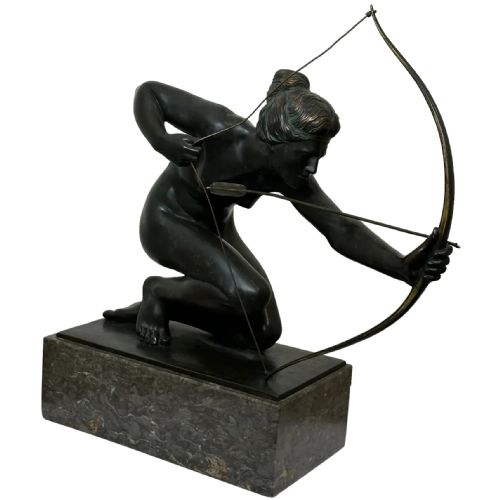
Several figures hold miniature weapons and arrows, proving that ancient deities meant business even in miniature.
What varies in quality
Quality reveals itself in the crispness of the casting and the sensitivity of the chisel work on the bronze surface. Superior examples demonstrate careful attention to anatomical proportion and drapery, particularly in pieces following classical or academic models.
The finish of the patination and the integration of secondary materials, such as fitted marble bases or applied gilding, distinguish finer studio output from standard commercial production.
Louis Ernest Barris·R Henn
The Bronze Goddess Figurine Glossary
- Grand Tour
- A nineteenth century educational journey across Europe where travellers acquired souvenirs such as small bronze sculptures after the antique.
- Patination
- The chemical treatment or natural weathering applied to the bronze surface to alter its colour and tone.
- Neoclassical
- A style reviving classical Roman and Greek aesthetic principles, prominent in nineteenth century European sculpture.
- Gilded bronze
- Metal coated with a thin layer of gold or gold leaf, frequently utilised in decorative and sacred statuary.
- Terracotta
- Fired clay used in ancient and regional sculpture before receiving surface finishes.
Bronze Goddess Figurine: Frequently Asked Questions
What is a Grand Tour bronze?
A Grand Tour bronze is a nineteenth century souvenir cast in Europe, usually depicting famous classical statues from Italian or Greek collections.
Travellers purchased these pieces to display their classical learning and appreciation of ancient art upon returning home.
How are different goddesses identified?
Goddesses are identified by their traditional attributes, such as bows for Diana or apples and mirrors for Venus.
Inscriptions, stylistic conventions, and historical models also help collectors pinpoint the specific mythological figure represented.
Where should bronze figures be placed?
Bronze figures suit stable interior surfaces away from direct moisture and extreme temperature fluctuations to protect the patination.
Many nineteenth century examples feature integrated marble plinths that provide a secure and decorative base for tabletop display.
How do Eastern and Western bronzes differ?
Eastern pieces, such as Tibetan or Javanese statues, typically serve devotional and religious functions with specific iconography like gold gilding.
Western academic and Grand Tour bronzes primarily focus on secular decoration and the revival of classical mythology.