




Bronze Glass Mirror
A bronze glass mirror brings weight and distinct reflection to a room, uniting metal frames and polished plates.
Bronze Glass Mirror
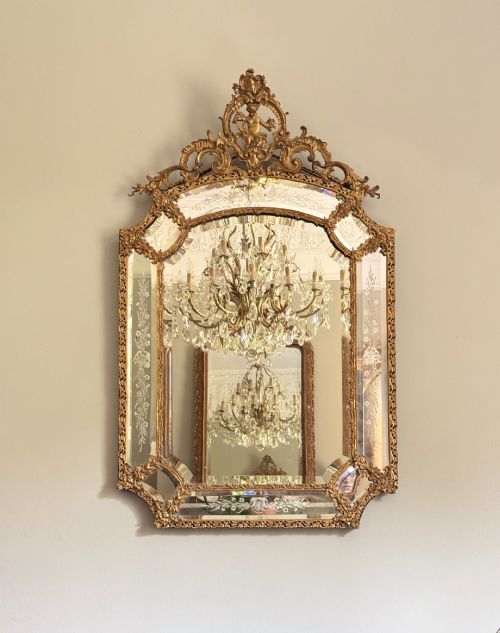
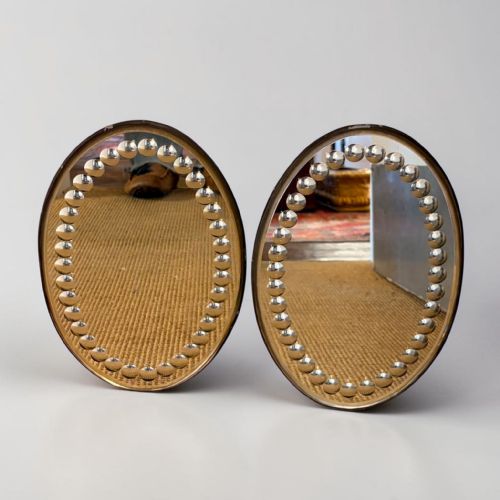
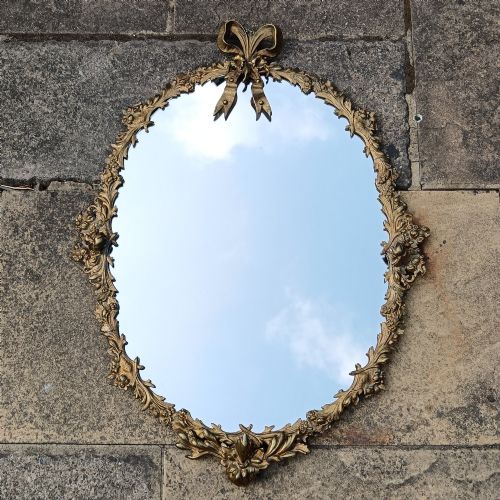
A bronze glass mirror encompasses a range of decorative objects where cast bronze, ormolu, or gilt bronze frames house reflective glass plates. Buyers searching for a bronze glass mirror encounter wall mirrors, cheval mirrors, and dressing table mirrors that reflect nineteenth-century and early twentieth-century design.
Beyond standard wall hangings, related forms such as hand mirrors and display cabinets mounted with ormolu appear within this category. Each object demonstrates the integration of heavy metallic framing with functional glass elements.
Materials and Construction
Craftsmen utilised cast bronze, ormolu, and gilt bronze to build sturdy, decorative frames that could support heavy glass plates. Wood foundations, including kingwood, often provided structural backing for cabinet mounts and dressing table mirrors.
Foundry work involved casting intricate floral, scroll, and figural motifs in bronze before finishing the surfaces with gilding or dark patination. Mirror glass and cut glass were then fitted precisely into these metal housings.
Bronze Glass Mirror Retail Price Guide 2026
Typical asking prices for bronze glass mirror among the pieces listed under this phrase on Sellingantiques today, from the lower quarter to the upper quarter. They describe what is for sale here now, not the wider market.
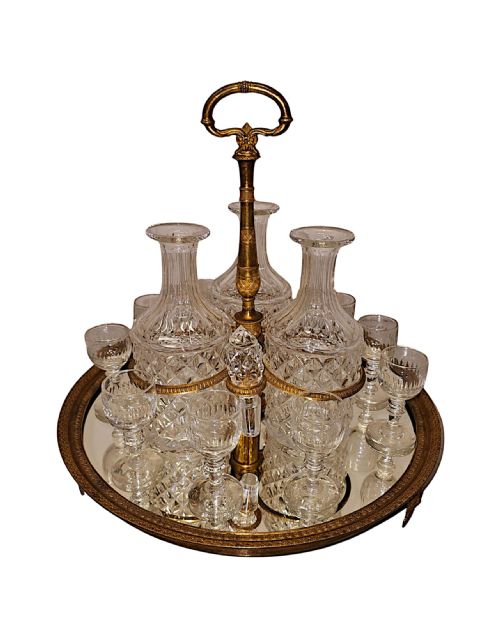
Listings feature French kingwood vitrine cabinets and tantalus sets alongside wall and cheval mirrors.
Assessing Quality and Execution
The fineness of the bronze casting determines the crispness of scrollwork, acanthus leaves, and figural details on the frame. Superior examples display sharply chased surfaces where the metalworker has refined the cast manually.
The integration between the heavy metal mount and the mirror glass indicates the maker's skill. Robust timber backing and secure framing ensure the weight of the bronze is supported safely over time.
G. Durand·Joseph Meissonnier·Versace
The Bronze Glass Mirror Glossary
- Ormolu
- Gilt bronze produced by applying a mercury-gilt amalgam to bronze, common in French decorative arts. This technique creates a rich golden finish that resists tarnishing.
- Cheval mirror
- A full-length mirror suspended in a freestanding frame that tilts on vertical pivots. It allows the viewer to adjust the angle for a complete view.
- Gilt bronze
- Bronze metal that has been coated with a thin layer of gold leaf or powder. It combines the strength of cast bronze with the lustre of gold.
- Kingwood
- A dense, richly figured tropical timber utilised in fine cabinetmaking and veneer work. It often frames ormolu mounts on nineteenth-century furniture.
Bronze Glass Mirror: Frequently Asked Questions
How do I clean a bronze frame?
Dust the metal gently with a soft, dry brush to prevent dirt buildup in the cast crevices. Avoid abrasive cleaners or harsh chemicals that can strip the original patination or gilding.
Keep moisture away from the joints where the frame meets the mirror glass. A periodic wipe with a clean, lint-free cloth preserves the surface finish.
Where should I hang a heavy wall mirror?
Mount heavy bronze-framed mirrors directly into wall studs using appropriate hardware rated for significant weight. Secure fixings distribute the load safely across the structure.
Position the mirror to reflect natural light from a window, which brightens the surrounding space and highlights the metallic frame details.
Are these mirrors original French antiques?
Many pieces originate from nineteenth-century French workshops, reflecting Louis XV, Louis XVI, and Empire design revivals. Artisans during this period utilised traditional bronze casting and gilt techniques.
Examine the construction of the frame and the backing boards to understand the manufacturing period. Stylistic cues such as cast floral motifs point to specific decorative eras.
What is the difference between ormolu and gilt bronze?
Ormolu specifically denotes bronze gilded with a mercury amalgam, a historical technique yielding a deep, distinct lustre. Gilt bronze is a broader term encompassing any bronze coated in gold.
Both finishes were employed on high-status decorative objects and mirrors to simulate solid gold. Careful inspection under magnification can reveal application characteristics.