



Bronze Foyer Pendant
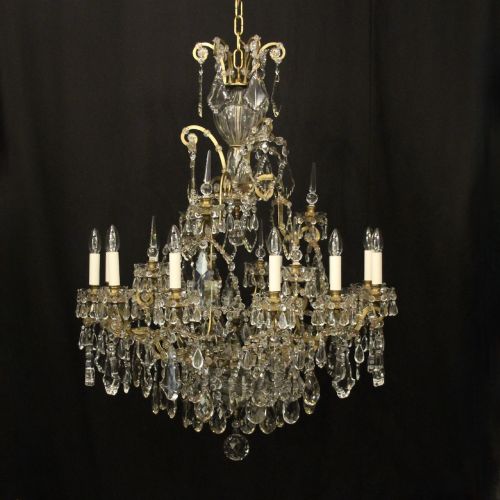
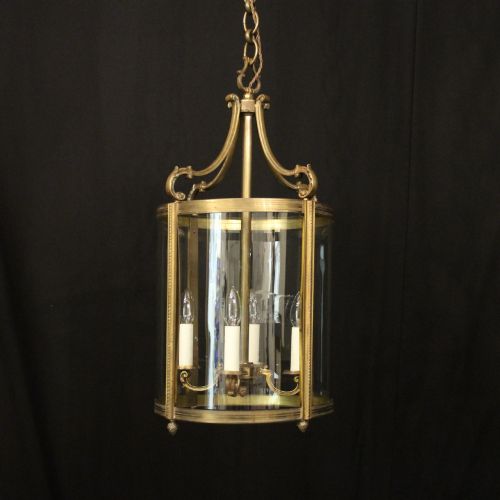
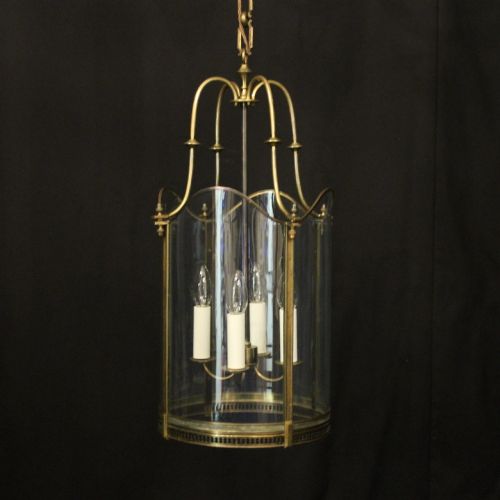
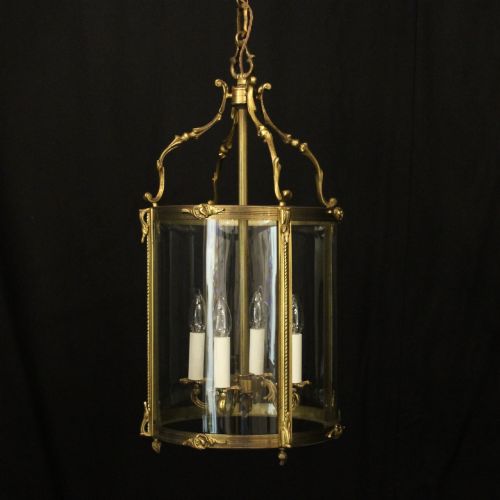
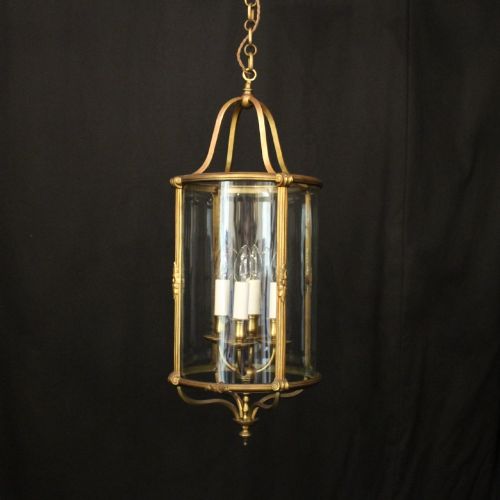
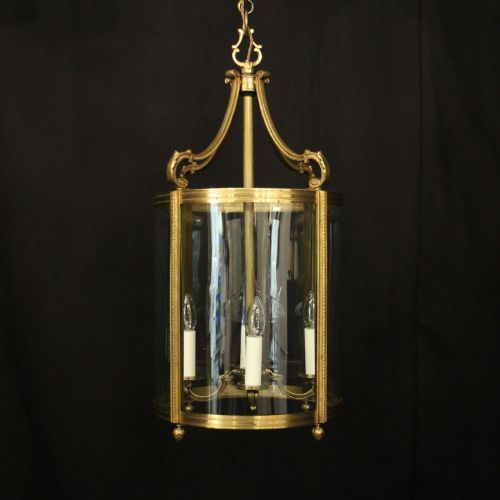
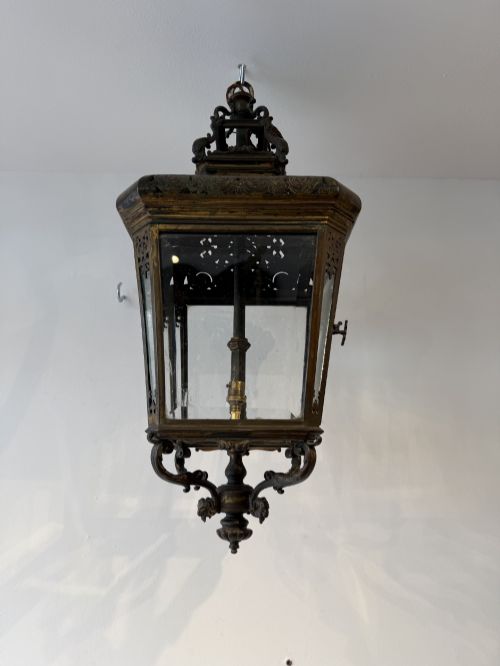
A bronze foyer pendant sets the tone for an entrance, offering warm illumination through glass panels framed in cast metal.
Bronze Foyer Pendant
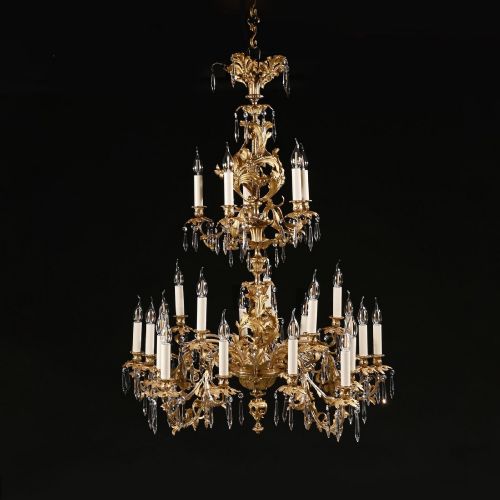
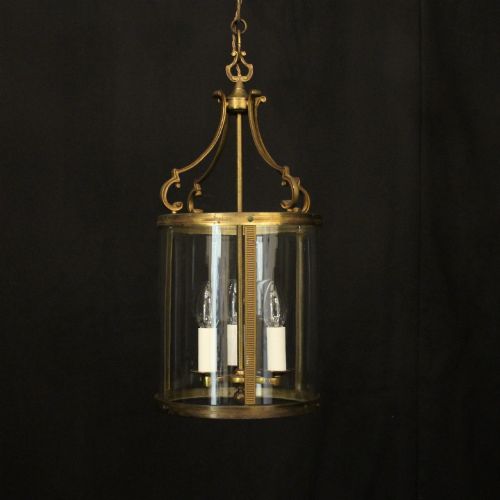
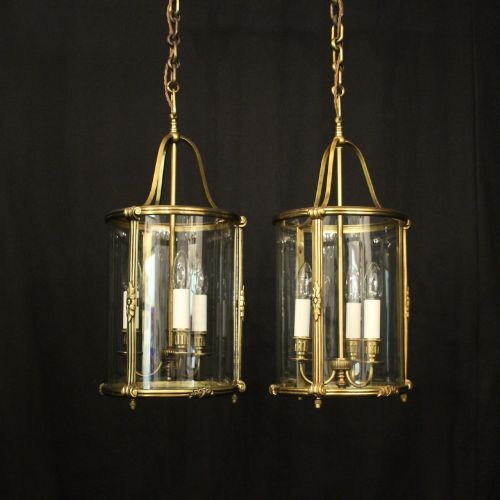
When searching for a bronze foyer pendant, you are looking at substantial hanging light fixtures designed for entrance halls and stairwells. The pieces recorded here span from the late nineteenth century through to the 1930s, encompassing styles influenced by French Neoclassical, Louis XV, and Louis XVI designs. Hall lanterns and ceiling lights dominate the selection, providing vertical presence for high-ceilinged spaces.
Materials and construction
Makers utilised bronze, brass, and gilt metals as the primary structural foundations for these hanging fixtures, often applying a layer of gold leaf or gilding to the surface. Metal components were cast in sections, chased to refine details, and joined to form rigid cages or frames capable of supporting heavy glass elements. This metalwork provides both the architectural skeleton and the decorative vocabulary of each piece.
Panels of glass, crystal, and cut glass were integrated into the metal frames to enclose the light source and refract illumination across the room. Bevelled and convex glass panes required precise cutting to fit snugly within the bronze or brass channels, sometimes secured by internal clips or delicate frame flanges.
Bronze Foyer Pendant Retail Price Guide 2026
Typical asking prices for bronze foyer pendant among the pieces listed under this phrase on Sellingantiques today, from the lower quarter to the upper quarter. They describe what is for sale here now, not the wider market.
Listings span from the 1890s through the 1930s, incorporating materials such as crystal, cut glass, and gilded bronze.
What separates the top of the range
The distinction between standard and superior pieces lies in the crispness of the metal casting and the depth of the chasing. Finer examples display sharp relief work on the bronze mounts, with clean lines and meticulously hand-finished surface details that elevate the piece beyond a simple utility object.
Another measure of quality rests in the integration of the glass and the scale of the lighting capacity. Fixtures featuring heavy bevelled or convex glass panels, combined with substantial multi-light clusters, demonstrate a higher tier of design and material investment.
The Bronze Foyer Pendant Glossary
- Convex glass
- Curved glass panels that bulge outward, common in French hall lanterns to diffuse light and add visual depth.
- Gilt bronze
- Bronze metal coated with a thin layer of gold or gold leaf, also known as ormolu.
- Hall lantern
- An enclosed hanging light fixture traditionally placed in entrance halls, vestibules, or corridors.
- Louis XVI style
- A neoclassical design aesthetic characterised by straight lines, symmetry, and classical ornamentation.
- Bevelled glass
- Glass panes with cut and polished angled edges that refract light entering and leaving the fixture.
Bronze Foyer Pendant: Frequently Asked Questions
Where should I hang a bronze foyer pendant?
These fixtures suit entrance halls, stairwells, and high-ceilinged corridors where their vertical proportions can be fully appreciated. They provide welcoming illumination upon entry.
Ensure adequate clearance beneath the fixture for foot traffic, particularly in spaces with standard ceiling heights.
How do I date a bronze foyer pendant?
Dating relies on stylistic markers, construction methods, and materials recorded across the nineteenth and early twentieth centuries. Pieces often reflect periods like the Edwardian era or French revival styles.
Examine the casting quality and the type of glass used to help narrow the production timeframe.
Are these pendants suitable for modern electrical systems?
Most antique hanging lights have been adapted or can be easily rewired to meet contemporary electrical standards by a qualified professional. Internal lamp holders accommodate standard modern bulbs.
Check the internal wiring condition upon acquisition to ensure safe operation in your home.
What is the difference between a lantern and a chandelier?
Lanterns typically feature an enclosed metal frame with glass panels surrounding the light sources, designed primarily for hallways and entryways. Chandeliers are usually open-framework multi-arm fixtures hung in larger rooms.
Both forms appear frequently within this selection of ceiling lighting.