

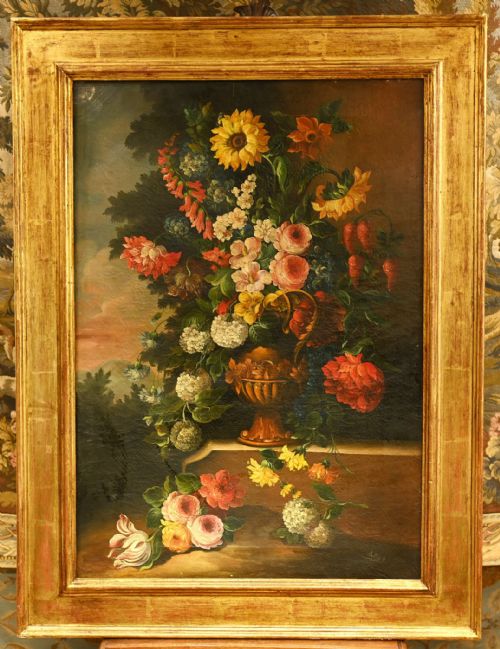


Bronze Flower Urns
These bronze flower urns bring weight and presence to a room, cast and hammered across the nineteenth and twentieth centuries.
Bronze Flower Urns
When you search for bronze flower urns, you encounter substantial vessels designed to hold cut stems, foliage, or floral displays. The majority of pieces meeting this description originate from the Japanese Meiji period, alongside nineteenth-century Chinese and European works.
Forms range from baluster vases and heavy jardinières to specialised posy vessels and display urns. Makers shaped these items for practical use in domestic interiors as well as ornamental display.
Materials and Construction
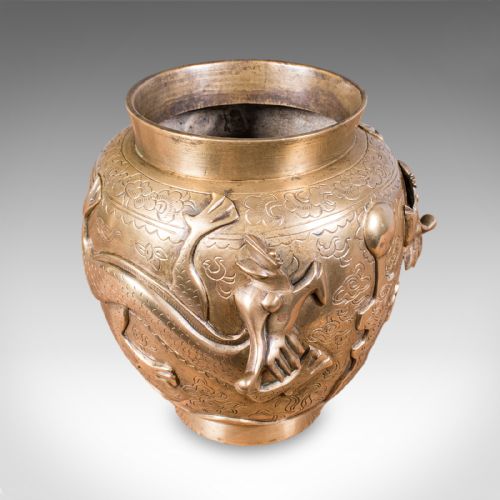
Foundries utilised cast bronze, patinated bronze, and mixed metals, often integrating copper, brass, and gilt details. Artisans applied deep hand-carving and chasing techniques to work the metal surfaces directly.
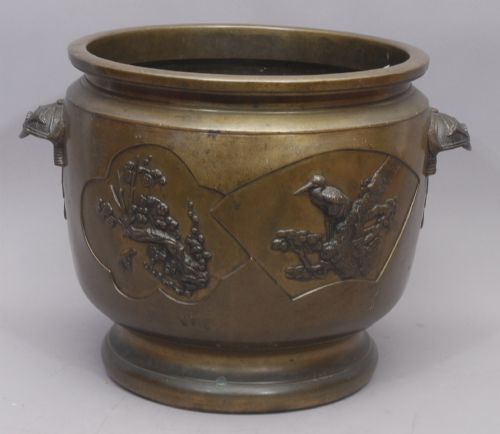
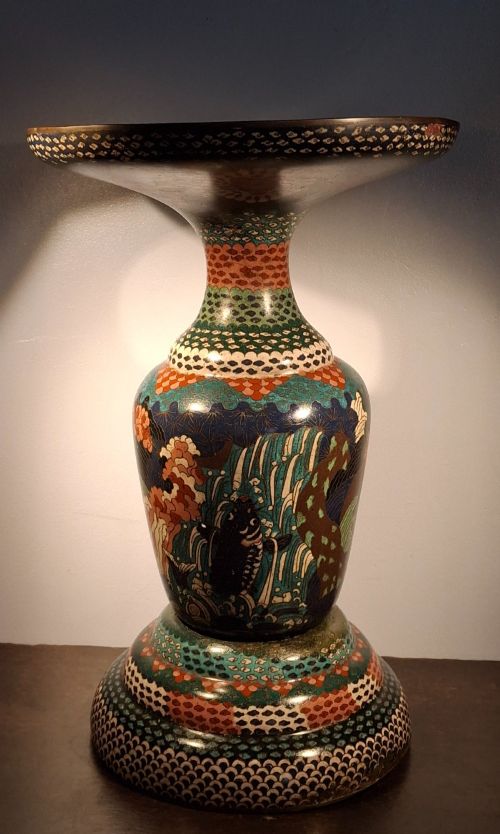
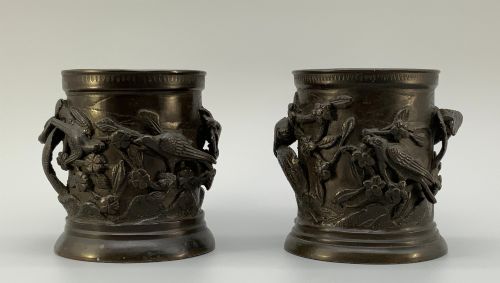
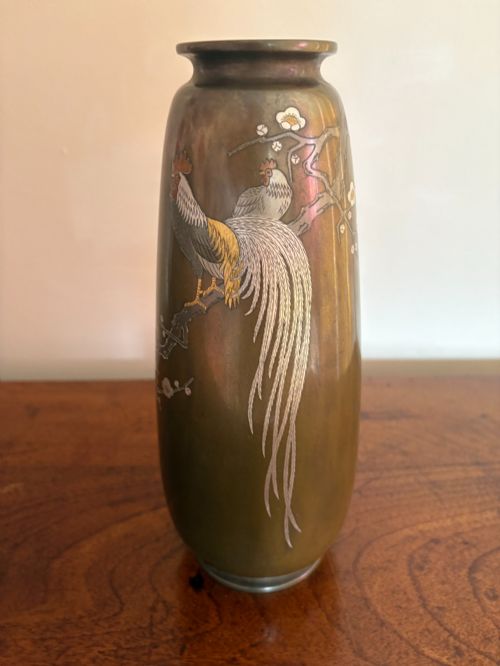
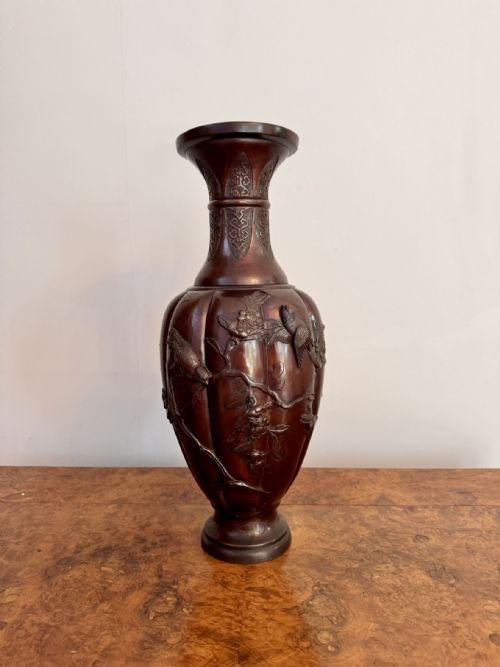
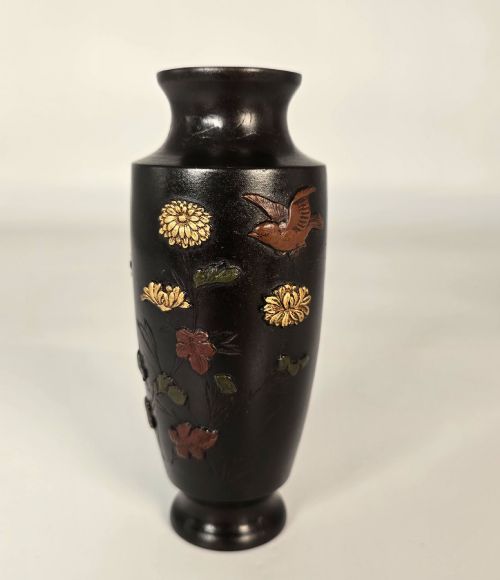
Certain examples incorporate cloisonné enamel, inlay work, and raised metal motifs depicting birds, blossoms, and natural scenes. These varied surface treatments provide texture and visual depth to the metal body.
Bronze Flower Urns Retail Price Guide 2026
Typical asking prices for bronze flower urns among the pieces listed under this phrase on Sellingantiques today, from the lower quarter to the upper quarter. They describe what is for sale here now, not the wider market.
A few bronze frogs managed to climb onto an Art Nouveau vase, permanently frozen in the middle of a hop.
Distinctions in Quality
Quality rests in the precision of the casting and the crispness of the chased or inlaid detail. Superior examples show meticulous hand-work where the applied motifs integrate seamlessly with the bronze body.
The depth and richness of the original patina differentiate standard production from exceptional work. Signed pieces and those retaining complex mixed metal combinations demonstrate higher artistic ambition.
KANASAWA·Jean Dunand·Charles Korschann Paris
The Bronze Flower Urns Glossary
- Patinated bronze
- Bronze treated with chemicals or heat to alter the surface colour and tone. This process protects the metal while creating deep brown, green, or black finishes.
- Meiji period
- The era of Japanese history spanning from 1868 to 1912. Metalwork from this time is celebrated for intricate mixed metal inlay and mastery of bronze casting.
- Jardinière
- A large decorative pot or stand designed to hold growing plants or large floral arrangements. These pieces usually sit on floors or sturdy tables.
- Cloisonné enamel
- A technique where enamel paste is applied within wire compartments soldered to a metal base. Firing fuses the coloured glass paste to the metal structure.
- Chasing
- The method of indenting and shaping metal from the front using small hammers and punches. This tool work sharpens lines and adds fine surface detail after casting.
Bronze Flower Urns: Frequently Asked Questions
What were bronze flower urns used for?
These vessels held fresh flowers, blossoming branches, and large botanical displays in nineteenth-century and early twentieth-century interiors.
They also served as standalone decorative objects on mantelpieces, pedestals, and tables, demonstrating the metalworker's skill.
How do I clean a bronze urn?
Dust the surface gently with a soft, dry cloth to remove everyday particles without disturbing the underlying finish.
Avoid chemical polishes and abrasive cleaners, which strip away historical patination and damage the metal.
Are these urns waterproof?
Many historical bronze vessels were constructed primarily for ornamental display rather than holding water directly.
Utilise a discreet inner glass or ceramic liner if you intend to use the urn for fresh floral arrangements.
How do I identify a Meiji period bronze?
Look for characteristic Japanese motifs such as birds, blossoms, and natural landscapes executed in mixed metals.
Examine the base for artist signatures, seal marks, and the dense, dark patination typical of late nineteenth-century foundry work.