





Bronze Floral Urn Vase
When you search for a bronze floral urn vase, you are looking at cast metal vessels and porcelain bodies mounted in gilt bronze, designed to hold blooms or stand alone as decorative focal points.
Bronze Floral Urn Vase
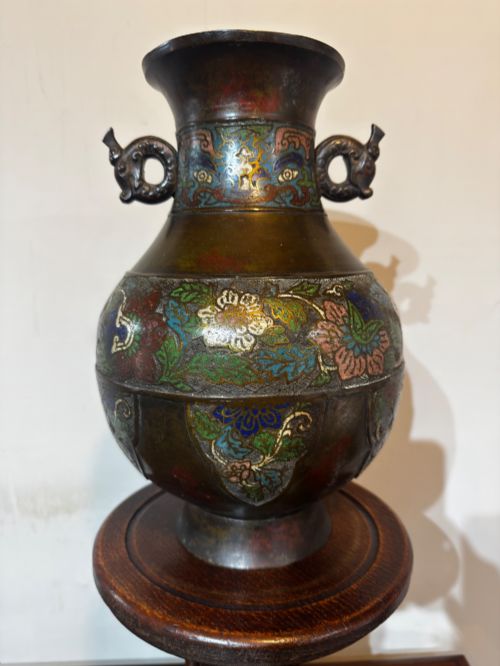
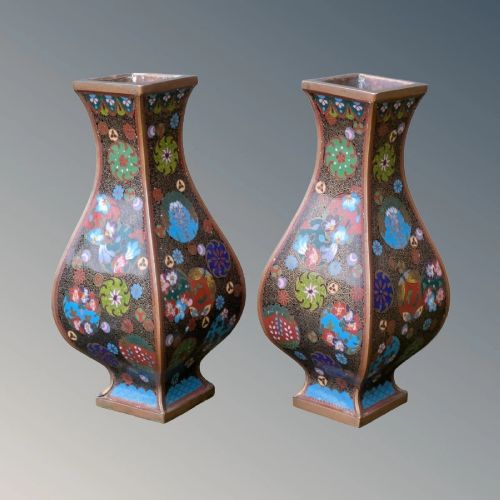
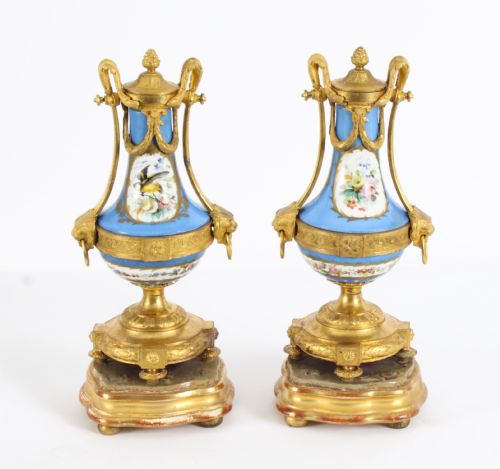
A bronze floral urn vase brings together decorative metalwork and vessel forms spanning the nineteenth century, the Edwardian era, and the early twentieth century. You encounter Japanese bronze baluster vases, Chinese cloisonné ginger jars, and French porcelain urns mounted with gilt metal.
The selection ranges from miniature cloisonné pieces to large Japanese mixed metal examples featuring raised floral and bird details. Many pieces originate from the Meiji period and the Qing dynasty, alongside European interpretations in the French Louis XVI style and Rococo revival.
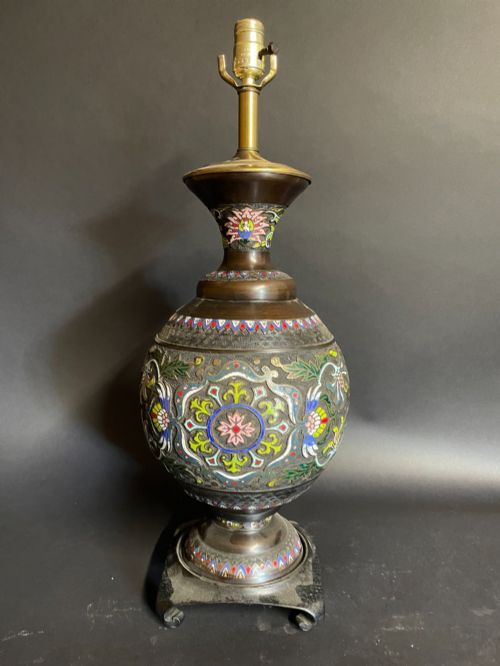
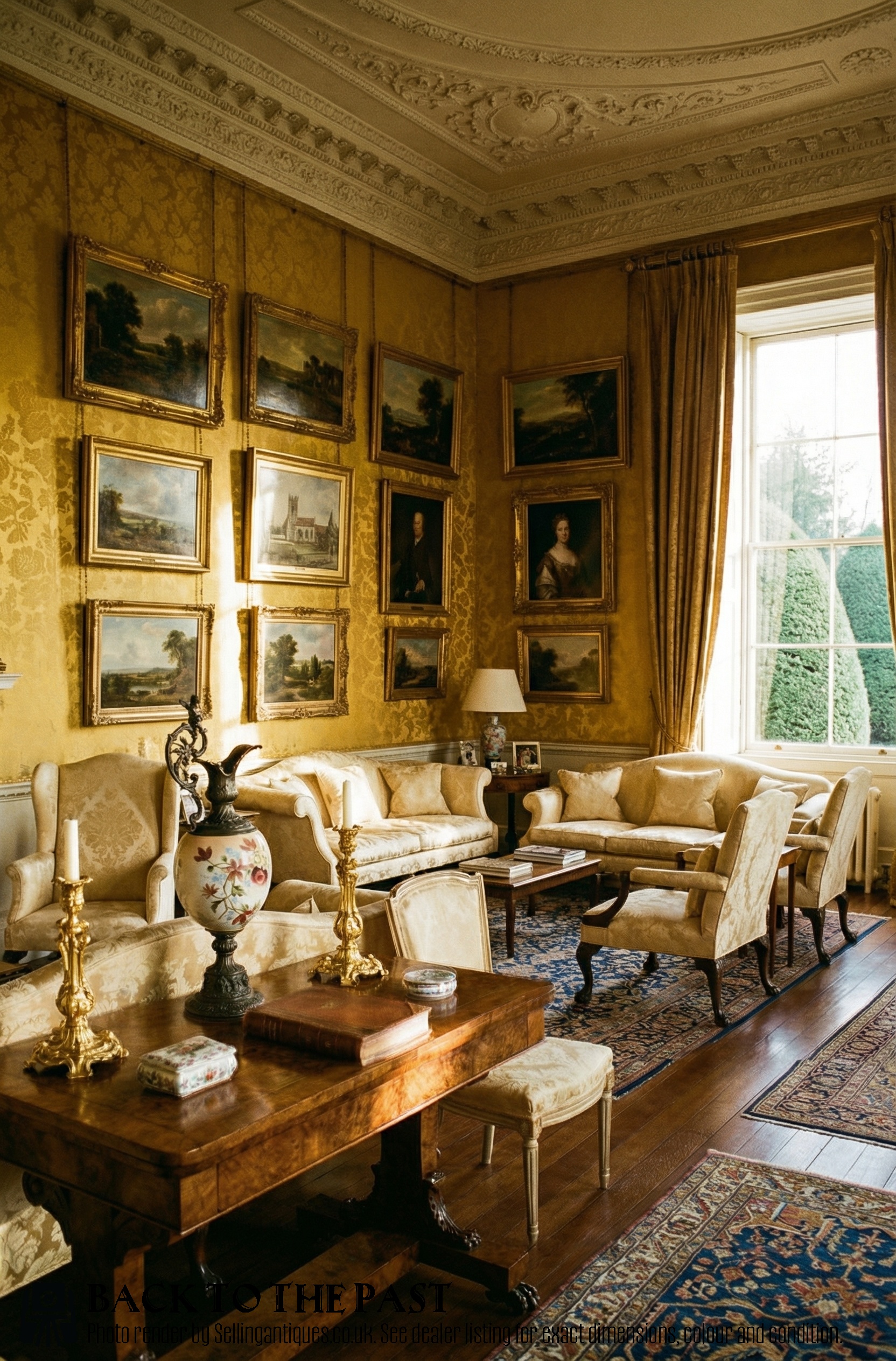
Makers utilised various forms including ginger jars, posy vases, decorative ewers, and table lamps adapted from earlier vessels. These objects served as ornamental centrepieces in period drawing rooms and continue to function as focal points in traditional interiors.
How they were made
Craftsmen shaped these items using bronze, copper, brass, and gilt metal, often combining them with enamel work and porcelain bodies. Japanese workshops employed mixed metal techniques to create raised floral and bird motifs on bronze surfaces.
Cloisonné pieces feature wirework soldered to metal bases to create compartments filled with coloured enamel pastes before firing and polishing. French Sevres style porcelain urns incorporate cast gilt bronze mounts, handles, and trim secured to ceramic bodies.
Bronze Floral Urn Vase Retail Price Guide 2026
Typical asking prices for bronze floral urn vase among the pieces listed under this phrase on Sellingantiques today, from the lower quarter to the upper quarter. They describe what is for sale here now, not the wider market.
Materials recorded include Bronze, Enamel, Copper, Porcelain, Brass, Gilt Bronze, Ormolu, and Gilt Metal.
What varies in quality
The distinction between standard production and the finest items rests on the crispness of the chased detail in the bronze and the precision of the enamel work. Signed Japanese bronze vases and pieces with intricate mixed metal inlay represent a higher tier of workmanship.
Porcelain bodies paired with ormolu or gilt bronze mounts show variation in the weight of the metal cast and the hand-painted fidelity of the ceramic decoration. Pieces retaining their original matching pairs and lids hold greater interest for collectors.
Charles Korschann
The Bronze Floral Urn Vase Glossary
- Cloisonné
- Enamelling technique where thin metal wires form raised cells on a metal body to hold coloured pastes. This method appears frequently on Chinese and Japanese ginger jars and vases.
- Ormolu
- Gilded bronze finish applied to decorative mounts and decorative trim on porcelain urns. This material characterises French nineteenth century revival pieces.
- Baluster
- A vertical architectural form with a swelling lower portion tapering toward the top, seen in Japanese bronze vase profiles. This shape provides stability and visual balance.
- Champlevé
- Enamelling method where troughs are gouged into a bronze base to receive coloured enamel before firing. It appears on nineteenth century Chinese and Eastern vessels.
- Ewer
- A large jug with a wide spout and handle, adapted in this selection for decorative display. These vessels often feature detailed bronze casting and ornamentation.
Bronze Floral Urn Vase: Frequently Asked Questions
What is a bronze floral urn vase used for?
These vessels were originally designed to display botanical arrangements or stand alone as decorative ornaments in nineteenth century interiors.
Today, they serve primarily as mantelpiece focal points, table lamps, or decorative accents in period and eclectic room schemes.
How do I date a Japanese bronze vase?
Dating relies on stylistic markers associated with the Meiji period, manufacturing techniques, and signature details found on the base or body.
Items from the late nineteenth and early twentieth centuries often feature distinct mixed metal patination and raised floral motifs characteristic of that era.
What is the difference between cloisonne and champleve?
Cloisonné involves soldering thin metal wires onto a bronze or copper surface to create enclosed compartments for enamel pastes.
Champlevé uses carved or cast depressions directly into the bronze metal body to hold the coloured enamel prior to firing.
How do I care for antique gilt bronze and ormolu?
Dust surfaces gently with a soft, dry cloth and avoid using harsh commercial metal cleaners that can strip the original gilding or patina.
Keep pieces away from direct sunlight and damp environments to protect both the metal finishes and any underlying enamel or porcelain.