
Bronze Figurine Marble Base
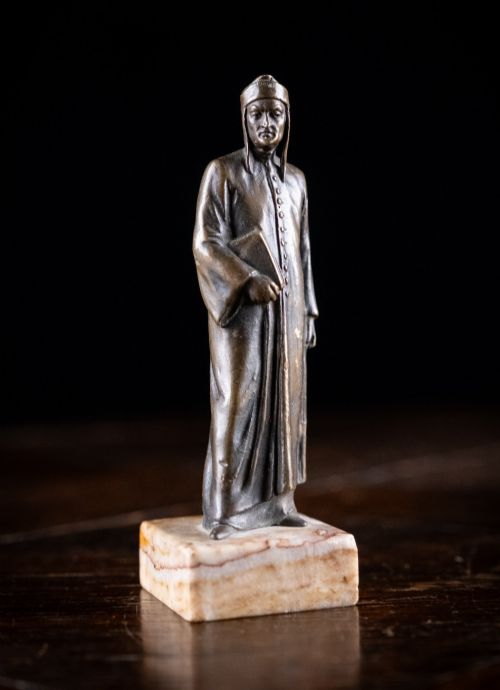
When you look for a bronze figurine marble base, you find solid metal figures mounted on stone plinths.
Bronze Figurine Marble Base
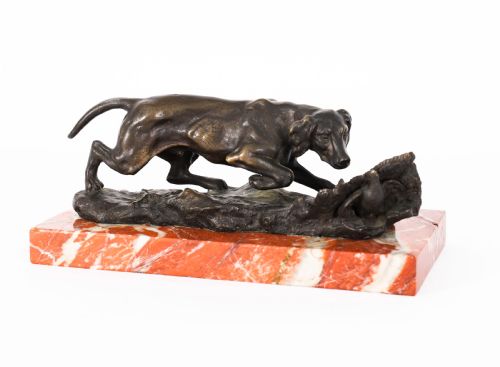
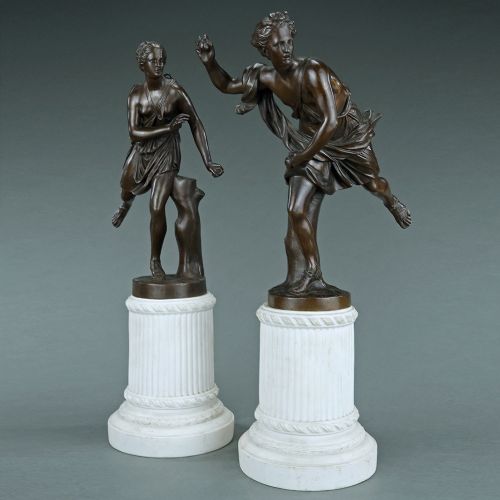
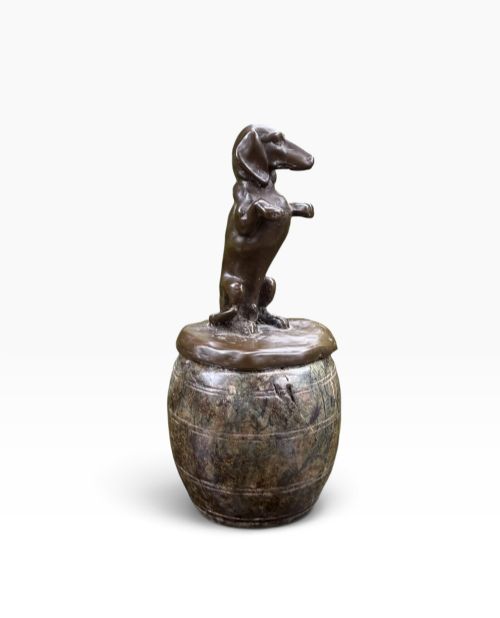
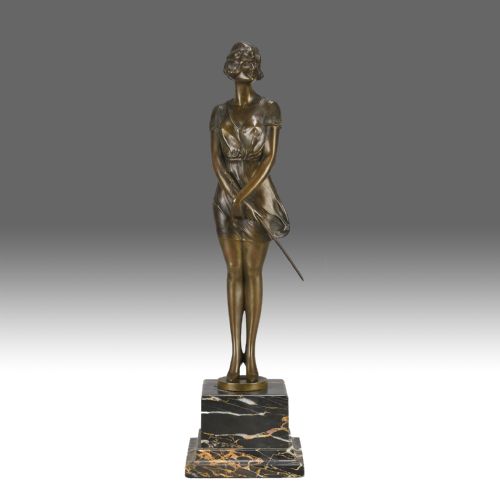
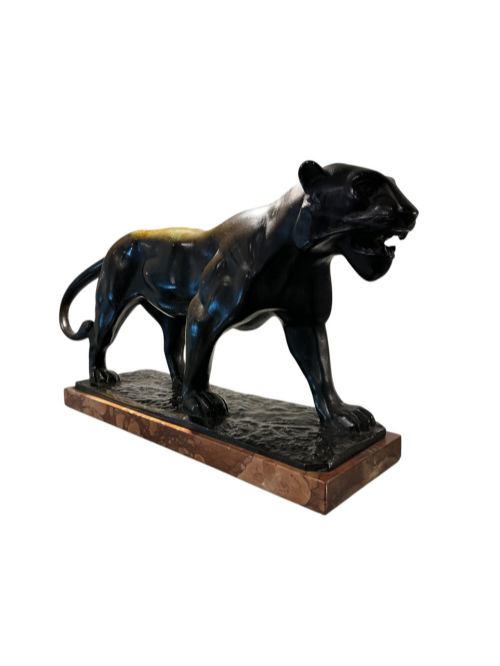
A bronze figurine marble base combines a cast metal sculpture with a heavy stone plinth, bringing together two distinct materials for stability and display. These pieces range from small animal studies to full human figures, often standing on bases made of black, white, or coloured marble.
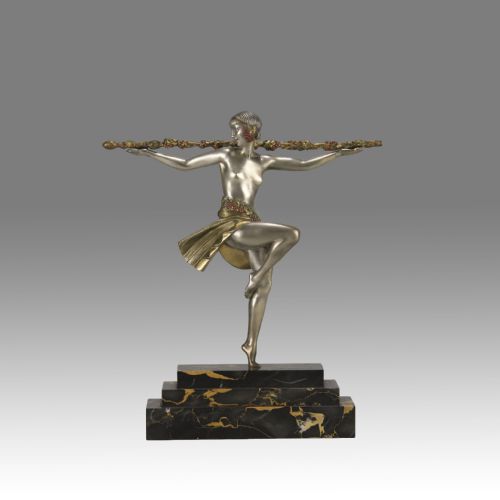
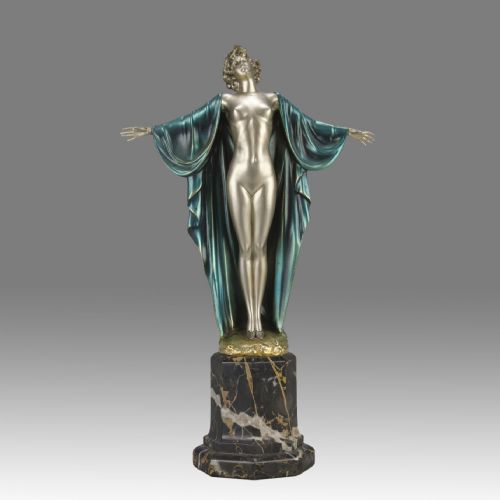
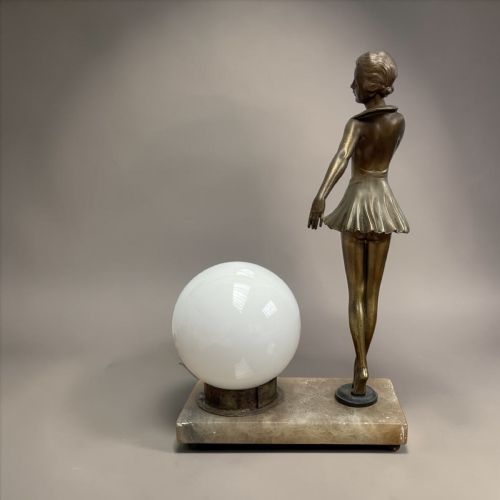
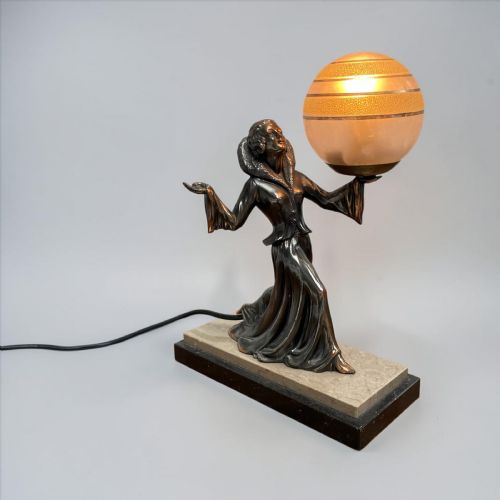
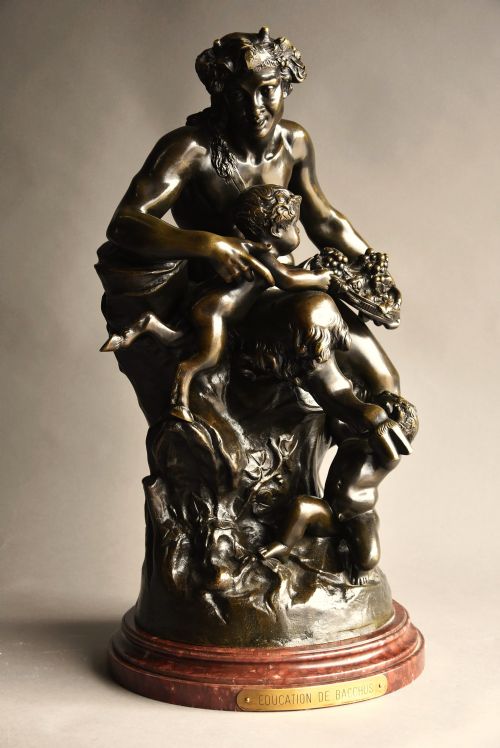
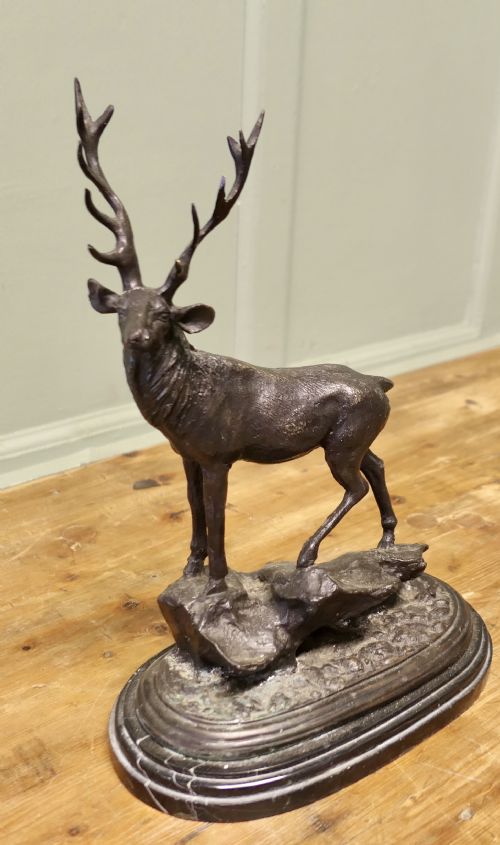
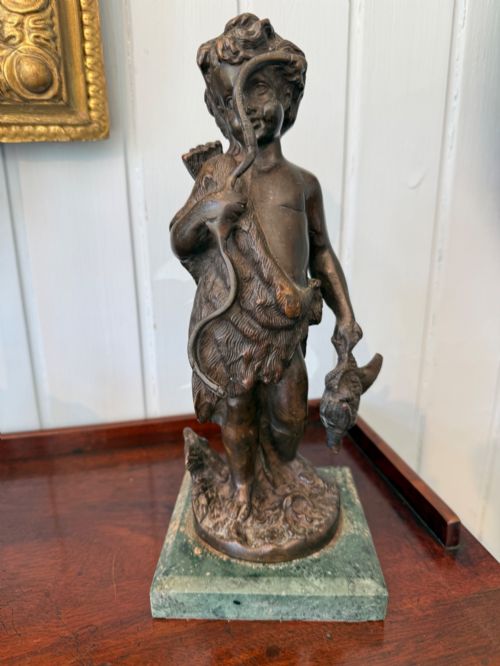
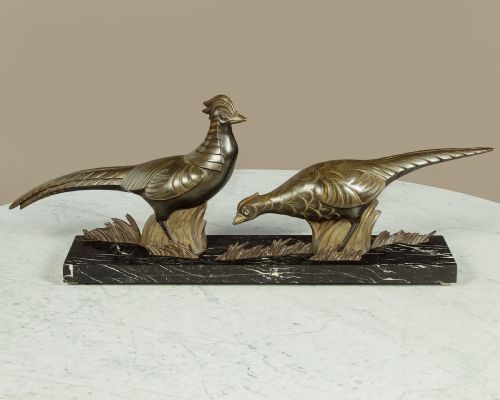
The most common versions on this page are French and Austrian works from the nineteenth and early twentieth centuries. You will find subjects spanning classical mythology, animalier studies of dogs and birds, and modernist dancers from the Art Deco period.
Moulders and foundries produced these sculptures for domestic display, mounting them securely onto stone plinths to give the metal figures proper weight and presence. The stone plinth forms an integral part of the composition, elevating the cast metal above the furniture surface.
Materials and Casting Techniques
Foundries typically used the lost-wax method or sand casting to create the bronze figures, pouring molten metal into moulds before chasing and finishing the surface by hand. Craftsmen then applied patination through chemical treatments or added cold-painted enamel details directly onto the metal.
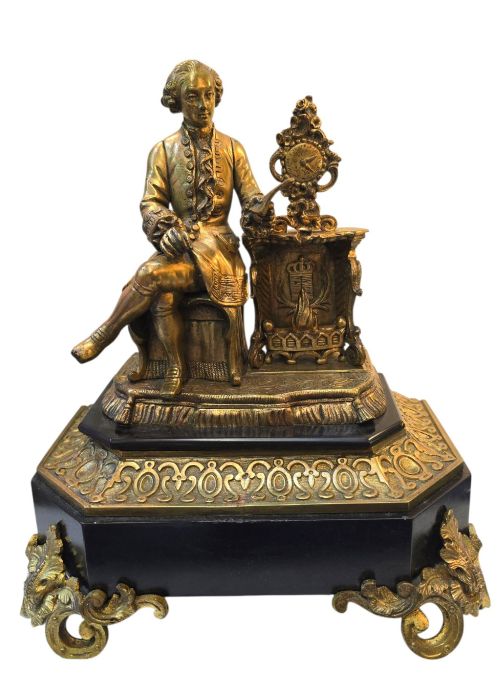
The stone bases were cut, turned, and polished to fit each specific sculpture, using materials such as black marble, white marble, or Siena marble. Gilt bronze and ormolu treatments provided bright golden highlights, contrasting against the dark patinated metal and the polished stone plinths.
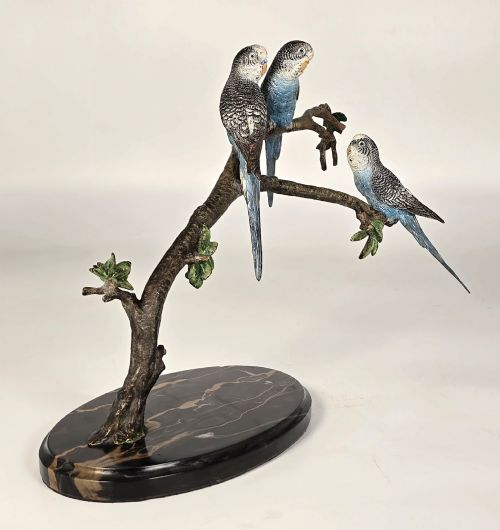
Several bronze budgerigars sit perched on leafy branches, watching over their marble desks with unwavering metallic focus.
Distinctions in Execution
Quality rests in the crispness of the metal chasing and the subtlety of the hand-applied patina or cold-painted colours. Superior castings preserve fine anatomical details in hair, feathers, and drapery without blurring the lines during the finishing stage.
The choice and preparation of the marble base also mark the tier of the piece, with well-fitted, richly figured stone plinths indicating superior workshop standards. The tightness of the fit between the metal mounting pins and the stone reveals the care taken in final assembly.
Carl Kauba·Barbedienne·Bruno Zach·Pierre le Faguays·Ferdinand Preiss·Claude Michel Clodian·Hans Müller·Demetre Chiparus·Henri Godet·Aurore Onu·Emile Guillemin·Georges Van Der Straeten·Prosper Lecourtier·Zoldan Kovats·Franz Bergman·Delabrierre
The Bronze Figurine Marble Base Glossary
- Animalier
- A nineteenth-century artistic movement focused on the realistic portrayal of animals, particularly dogs, big cats, and birds. These sculptures often capture beasts in motion or repose upon stone plinths.
- Cold-painted bronze
- A technique where enamel paint is applied to a cast bronze figure without the application of heat. Austrian foundries specialised in this method, producing brightly coloured birds and human figures.
- Patination
- The chemical colouring applied to the surface of bronze to create brown, green, or near-black tones. This layer protects the metal and defines the shadows of the sculpture.
- Ormolu
- Finely ground high-carat gold applied to a bronze base using a mercury amalgam. This decorative finish produces a bright golden sheen seen on nineteenth-century French pieces.
- Grand Tour
- A traditional trip through Europe undertaken by upper-class scholars and collectors in the eighteenth and nineteenth centuries. Souvenirs from these travels frequently included small bronze figures mounted on marble bases.
Bronze Figurine Marble Base: Frequently Asked Questions
Are these figures solid bronze?
Most antique figurines are cast as hollow forms to save weight and metal, though smaller figures and extremities may be solid. The walls of the casting maintain an even thickness determined by the foundry technician.
Foundries used hollow casting to reduce the strain on the supporting marble base. You can often check the interior by looking underneath the stone plinth if the felt backing allows a view.
How can I tell if the marble base is original?
Look for signs of age in the stone, including minor surface wear, matching patination around the fixing pins, and construction methods consistent with the period of the bronze. The proportions of the plinth should complement the scale of the metal sculpture above it.
Replaced bases often show modern drill holes, unaged fixing screws, or stone types that do not match the historical practices of the foundry. Original mounts fit the contours of the bronze feet or baseplate precisely.
What is cold-painted bronze?
Cold painting involves applying oil or enamel paints directly to a finished bronze casting without firing the piece in a kiln. This technique allowed Austrian makers to achieve vivid, lifelike colours on robes, feathers, and skin.
Because the paint sits on the metal surface rather than fusing with it, handling can cause gradual wear over the decades. Preserving these pieces requires keeping them away from direct sunlight and moisture.