


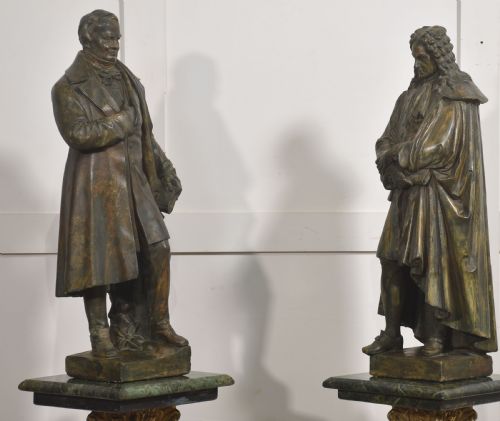
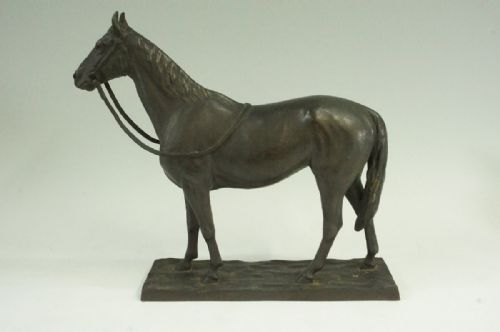
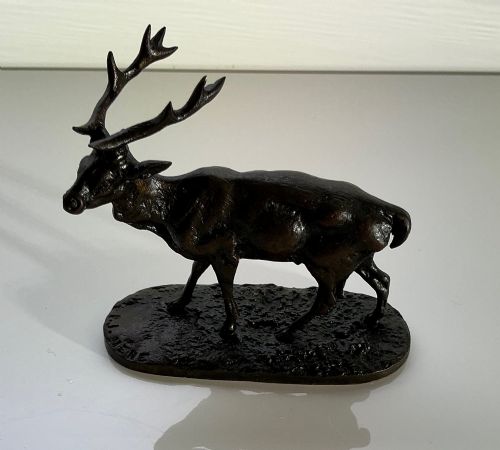




Bronze Figure on Stand
A bronze figure on stand brings together sculptural metalwork and a dedicated base, creating a distinct display piece for interiors.
Bronze Figure on Stand
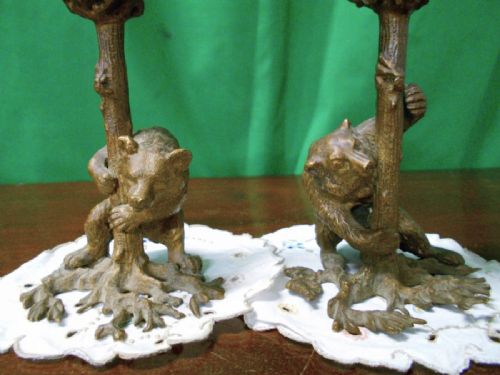
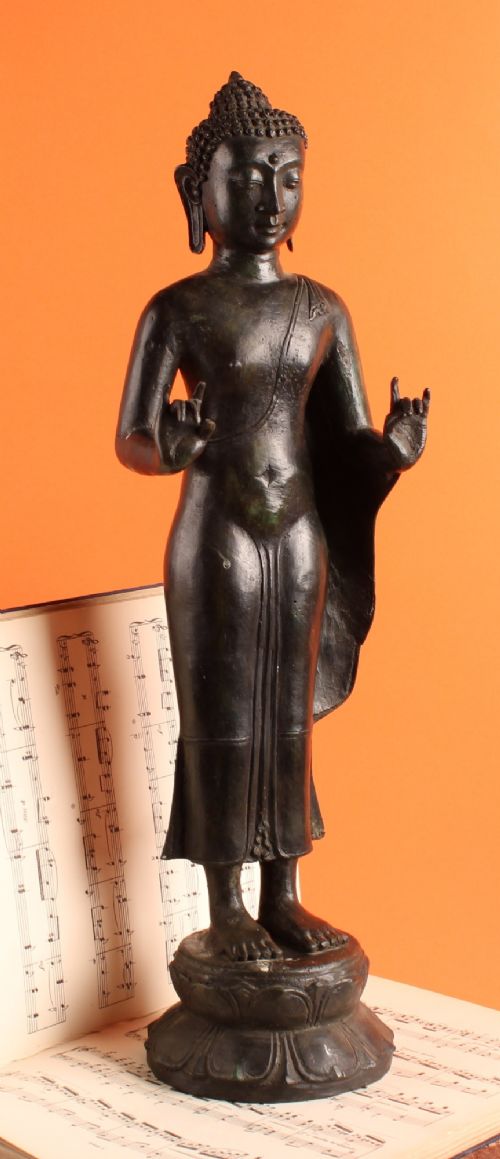
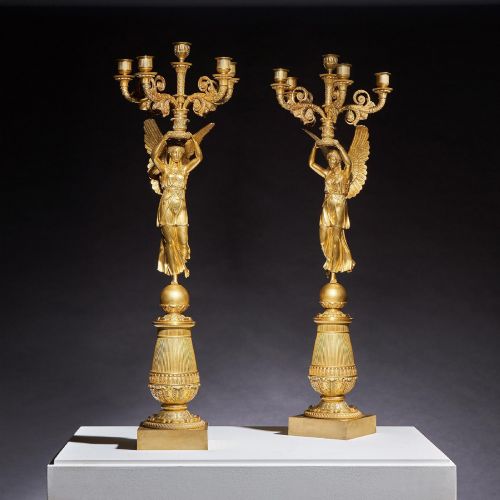
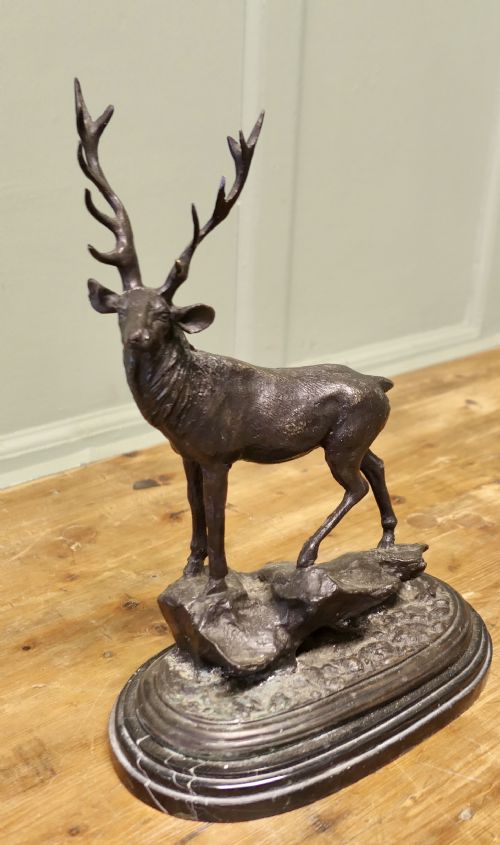
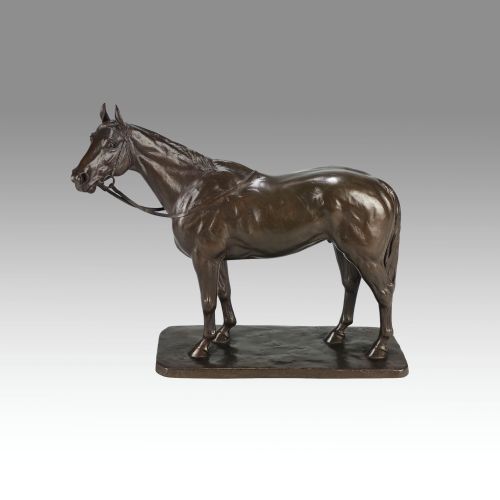
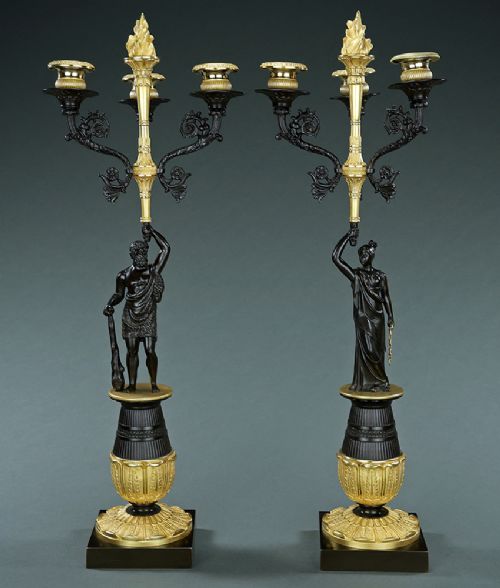
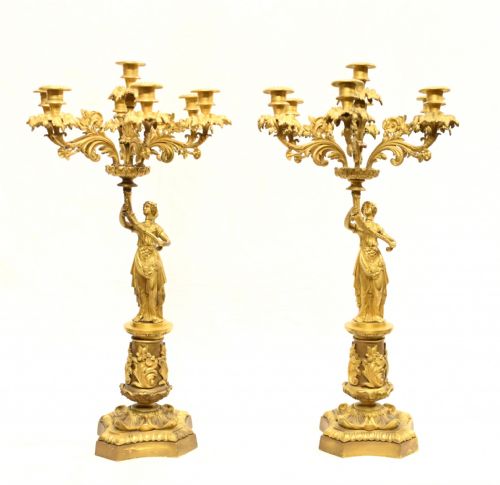
A bronze figure on stand encompasses standalone sculptures, candelabra, and decorative candlesticks raised upon bases or plinths. These pieces range from European historical figures and animal studies to Asian deities and classical subjects.
The most common form encountered here is the nineteenth-century European cabinet sculpture or figural candlestick mounted upon a marble, onyx, or metal plinth. Many combine patinated or gilt bronze with contrasting stone supports.
Origins stretch across French, Austrian, and Asian workshops, spanning periods from the Regency era through Art Deco. Each object integrates the metallic subject directly with its architectural or naturalistic mounting.
Materials and construction
Foundries utilised traditional lost-wax casting and sand-casting methods to shape molten bronze, brass, or spelter into intricate figural forms. Skilled artisans then applied patination, cold-painting, or mercury gilding to achieve varied surface textures and tones.
Bases were constructed from quarried materials like white marble and green onyx, frequently secured underneath with threaded bolts or pins to support the weight of the metal sculpture above.
Bronze Figure on Stand Retail Price Guide 2026
Typical asking prices for bronze figure on stand among the pieces listed under this phrase on Sellingantiques today, from the lower quarter to the upper quarter. They describe what is for sale here now, not the wider market.
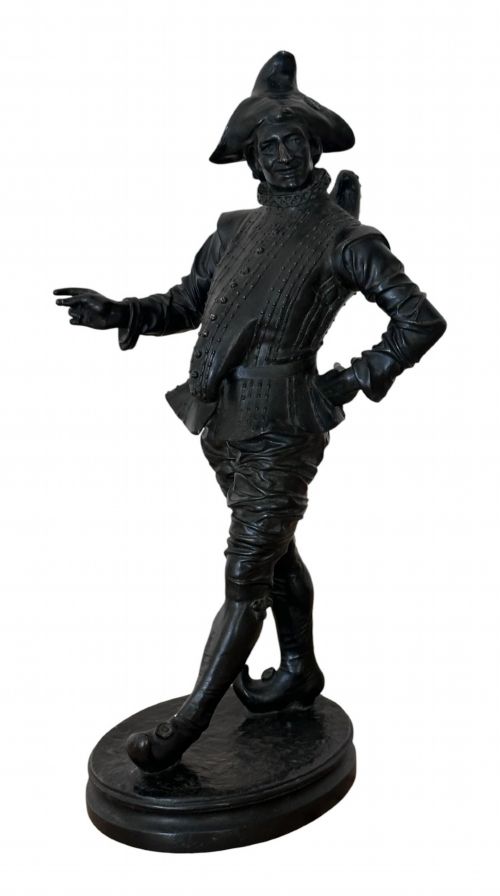
Medieval characters navigating the domestic interior on stilts appear frozen in bronze-patinated spelter.
Evaluating craftsmanship
Quality reveals itself in the crispness of the chasing and the fidelity of the final metal surface, where finer examples preserve the subtle nuances of the original model without soft edges. The depth and durability of the patination or cold-painted enamel further distinguish superior castings from standard commercial production.
The integration between the sculpture and its stand dictates overall harmony, with better pieces featuring bespoke stone plinths shaped specifically to complement the weight and stance of the figure.
Bruno Zach·Pierre Philippe Thomire·P Granet·Kunio Itô·PJ Mene·Franz Bergman·Jean Jules Salmson·Humphrey Hopper·Anders Zorn·Barbedienne
The Bronze Figure on Stand Glossary
- Patinated bronze
- Bronze treated with chemical solutions to produce a specific surface colour, ranging from deep brown to green. This treatment protects the metal and defines sculptural contours.
- Ormolu
- Finely ground high-carat gold applied to a bronze base using a mercury amalgamation technique. It produces a rich golden lustre characteristic of French decorative arts.
- Spelter
- A zinc-based alloy commonly utilised as an economical alternative to bronze in nineteenth-century figural castings. It is softer than bronze and typically carries a bronze-look paint or patination.
- Plinth
- A heavy base or block supporting a statue, vase, or candlestick. It elevates the primary subject and provides physical stability.
- Cold-painted bronze
- Bronze finished with oil-based paints that are allowed to dry without kiln firing. This technique is particularly associated with Austrian animal and figural studies.
Bronze Figure on Stand: Frequently Asked Questions
How do I clean a bronze figure on stand?
Dust the metal and stone gently with a dry, soft-bristled brush to remove surface particles without disturbing the patina.
Avoid using water, chemical solvents, or abrasive polishes, as these substances strip historical finishes and damage vulnerable cold-painted surfaces.
Can I separate the figure from its base?
Most figures remain permanently attached to their plinths via internal threaded rods or mounting pins concealed beneath the base.
Undoing these hidden fixtures risks damaging the metalwork or cracking the marble and onyx supports.
What is the difference between bronze and spelter?
Bronze is a durable copper and tin alloy capable of holding exceptionally sharp casting details and deep patination.
Spelter is a softer zinc alloy that feels lighter in the hand and generally shows greater wear to its applied surface finish.
How do I date a mounted sculpture?
Examine the casting quality, the mounting hardware underneath the plinth, and the style of the base materials.
Signatures, foundry stamps, and the specific chemical composition of the surface patina provide additional chronological indicators.