


Bronze Figure Head
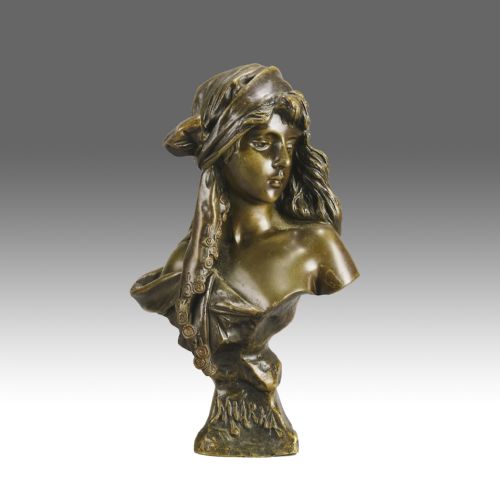
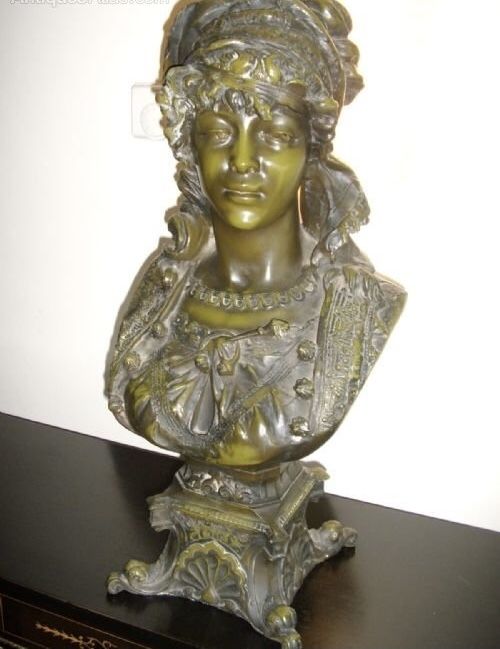
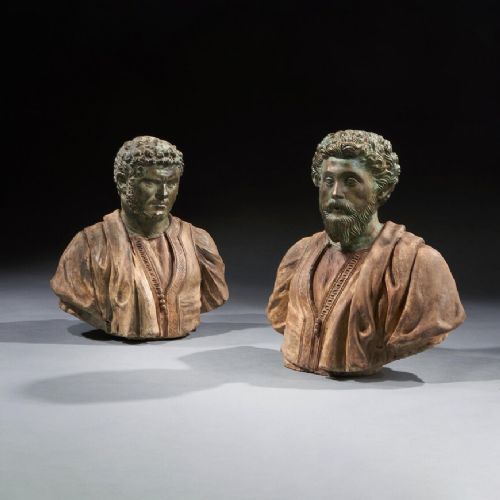
A bronze figure head delivers classical dignity or historical presence to a room, ranging from Grand Tour souvenirs to Art Nouveau portraits.
Bronze Figure Head
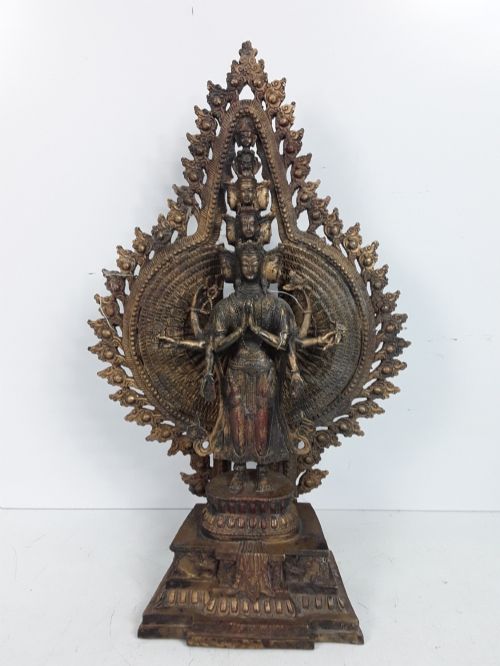
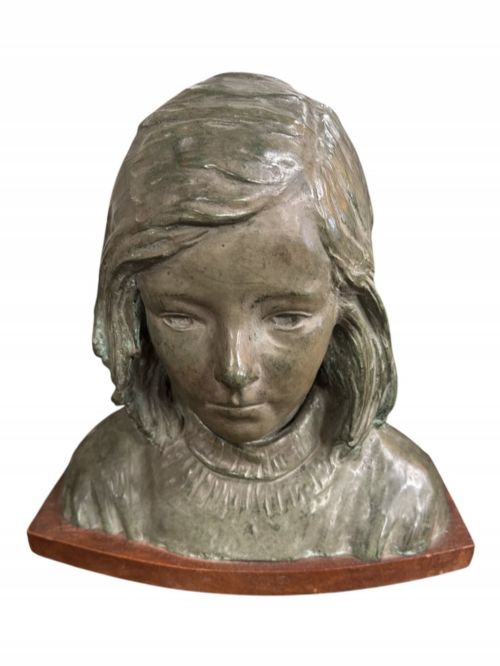
A bronze figure head search brings together portrait sculptures, classical busts, and divine representations spanning multiple centuries. Buyers encounter nineteenth-century French foundry work, Grand Tour classical replicas, and African cast metal sculptures.
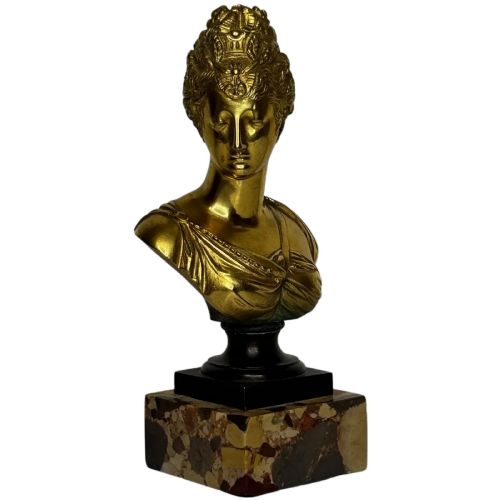
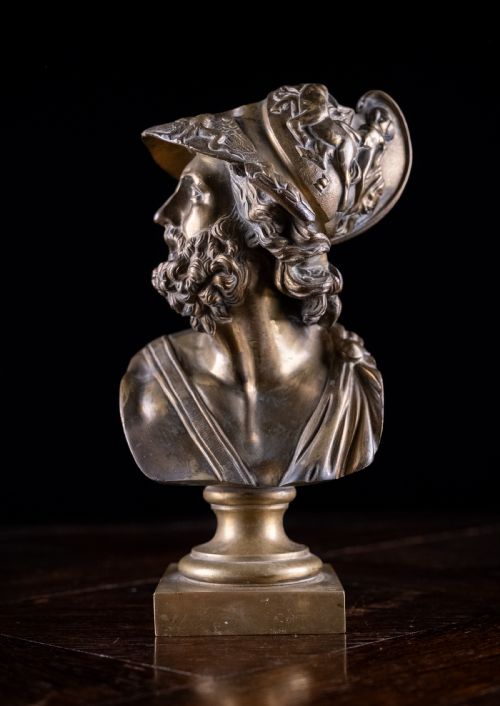
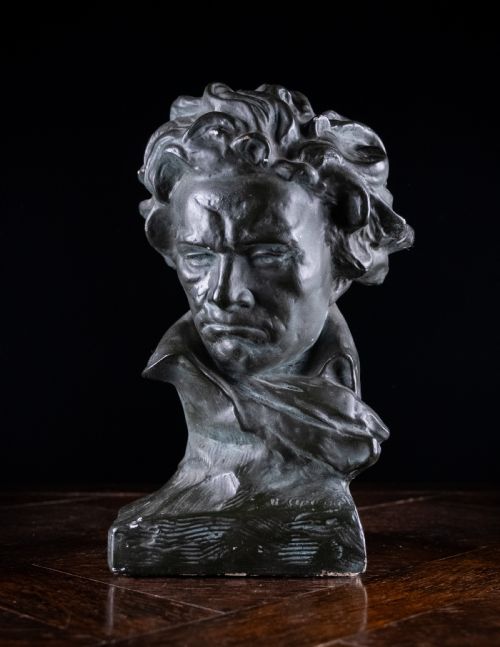
The selections on this page lean heavily toward nineteenth-century European portrait busts of historical figures, literary icons, and mythological subjects. Many incorporate integral marble bases or combine patinated metal with gilt bronze highlights.
Alongside European foundry casts, the inventory includes regional works such as West African tribal figures and Tibetan Buddhist representations. These diverse cultural traditions share a common focus on sculptural head and bust forms.
Materials and production methods
Foundries typically employed the lost-wax casting technique or sand casting methods to create solid or hollow metal sculptures. Molten bronze poured into moulds captured fine details in hair, drapery, and facial expressions.
Makers applied various chemical patinations to the metal surface, achieving dark brown, green, or near-black tones. Gilt bronze and ormolu finishes provided contrasting golden highlights, whilst mounts of polished marble anchored the metalwork.
Roman emperors share shelf space here with Beethoven and Dante.
Assessing the craftsmanship
The choice of secondary materials elevates a piece, notably dense veined marble plinths or intricate multi-part construction. Signed foundry marks and artist signatures denote higher studio standards compared to anonymous workshop output.
Emmanuel Villanis·A. Mercie·Ernest-Eugène Hiolle·Eutrope Bouret·Leonhard Posch
The Bronze Figure Head Glossary
- Patina
- The surface coloration developed naturally through age or applied artificially by chemical treatment on bronze. This finish protects the metal and defines the visual character of the sculpture.
- Grand Tour
- A nineteenth-century tradition where wealthy travellers collected classical antiquities and miniature bronze replicas across Europe. These souvenir pieces frequently replicated famous museum sculptures.
- Ormolu
- Gilded bronze produced by applying a mercury and gold amalgam to the base metal before heating. The technique creates a durable, luminous golden surface popular in French decorative arts.
- Lost-wax casting
- A method where a model is encased in wax, melted out, and replaced with molten metal. This process permits intricate undercut details essential for expressive portrait heads.
Bronze Figure Head: Frequently Asked Questions
Where should I display a bronze bust?
These sculptures suit sturdy tabletops, mantelpieces, or dedicated pedestals where adequate lighting highlights their patination.
Ensure the placement protects the marble bases and metal surfaces from direct knocks and moisture.
How do I clean patinated bronze?
Dust the surface regularly with a soft, dry lint-free cloth to prevent particulate accumulation.
Avoid chemical polishes or water, which can strip the historic chemical patina from the metal.
Are these pieces solid bronze?
Most sculptural busts are cast hollow to reduce weight and metal usage during production.
Heavier weight often comes from substantial marble bases rather than solid metal mass.
How do I identify Grand Tour pieces?
Grand Tour bronzes typically replicate famous classical statues encountered by travellers in Italian and Greek collections.
They frequently date from the nineteenth century and often feature dark patination paired with polished marble plinths.