
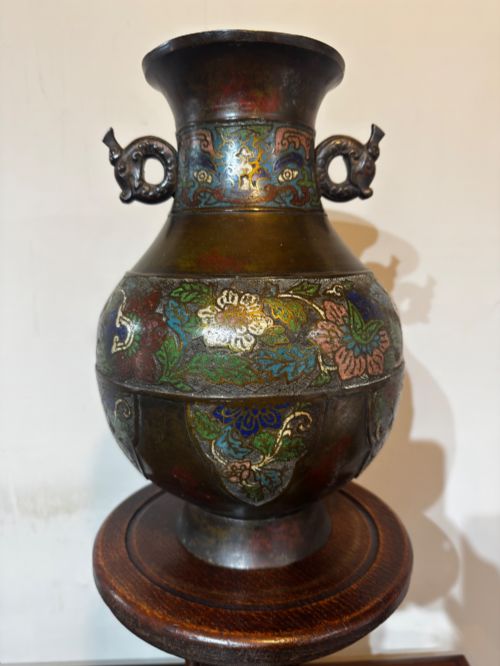


Bronze Enamel Vessels
Bronze enamel vessels bring together cast metal and vitreous colour, offering a tactile weight and rich surface pattern.
Bronze Enamel Vessels
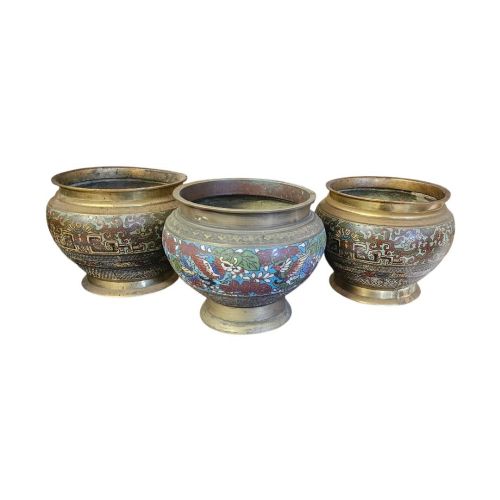
The objects span multiple cultural aesthetics, notably the Qing Dynasty, Japanese Meiji and Edo periods, and nineteenth-century French workshops. Chinese and Japanese pieces frequently employ cloisonné and champlevé techniques upon bronze or copper alloy foundations, while European examples integrate similar enamel work with gilt bronze and onyx structures.
How they were made
Craftsmen built the structural forms primarily through bronze casting, brass, or copper alloy fabrication, occasionally combining these metals with gilt bronze or cast iron elements. Vases, bowls, and censers took shape either through traditional foundry work or hammered sheet construction before receiving surface ornamentation.
The decorative surfaces rely on enamel work, executed by soldering thin metal wires to form cells in cloisonné or by carving depressions directly into the bronze for champlevé. Artisans filled these compartments with coloured vitreous pastes before firing the pieces at high temperatures and polishing the final metallic and glassy planes.
Listings feature pieces from the nineteenth and early twentieth centuries, spanning periods from the Edo and Meiji eras to the Qing Dynasty.
What varies in quality
Distinctions in quality emerge through the precision of the metal casting and the exactness of the wirework or carved compartments. Finer examples display crisp, uniform cell boundaries and smooth, even enamel surfaces free from excessive pitting or cloudiness.
The weight and stability of the bronze foundation, alongside the complexity of the decorative motifs, separate standard decorative objects from superior works. Attention to detail in the finishing of the gilt bronze or patinated metal surfaces further marks the distinction between ordinary and exceptional pieces.
The Bronze Enamel Vessels Glossary
- Cloisonné enamel
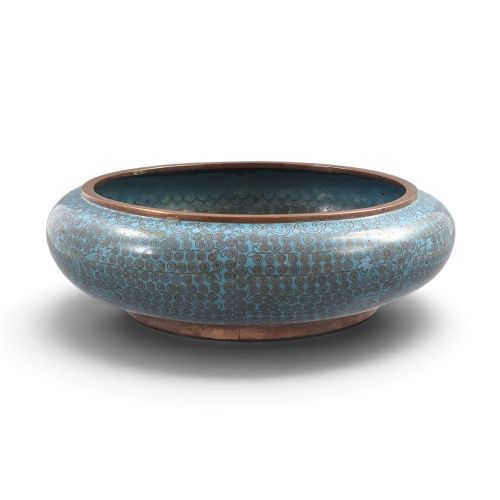
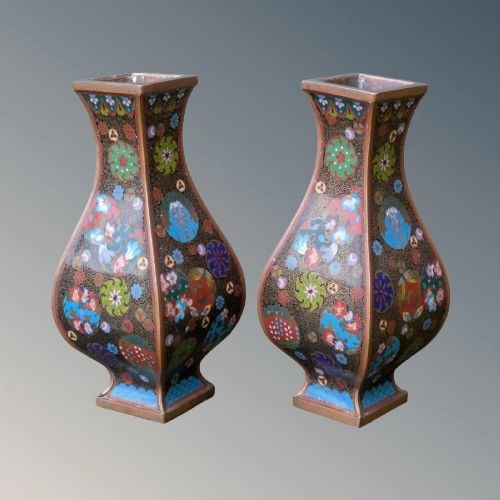
- A technique where thin metal wires are soldered to a metal base to create compartments, which are then filled with enamel paste and fired. This method produces intricate, compartmentalised patterns across vases and bowls.
- Champlevé enamel
- A process in which troughs or cells are carved or cast directly into the surface of a bronze vessel to hold the vitreous enamel. The resulting design merges the exposed metal body with coloured glass infills.
- Censer
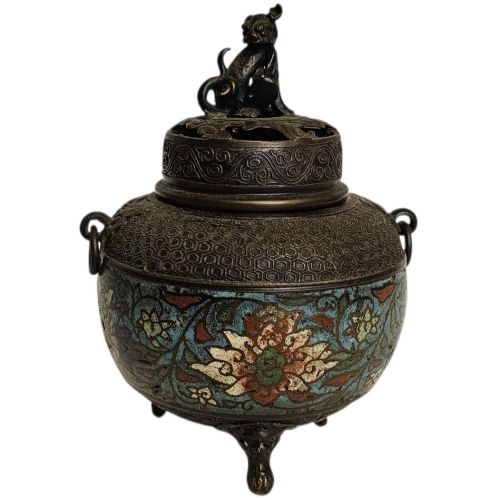
- A vessel designed for burning incense, frequently featuring a tripod base and a lidded top. These objects often appear in bronze alongside decorative enamel panels.
- Jardiniere
- A large ornamental pot or planter intended to hold growing plants. Examples in this category combine sturdy bronze bodies with detailed surface enamelling.
- Koro
- A traditional Japanese incense burner, often equipped with a fitted lid and handles. These pieces frequently incorporate cloisonné decoration upon a bronze or copper alloy body.
Bronze Enamel Vessels: Frequently Asked Questions
What are bronze enamel vessels?
These objects are decorative and functional metal containers ornamented with fused glass pastes. They include items such as vases, bowls, and censers.
Craftsmen produced them across Asia and Europe using techniques like cloisonné and champlevé on bronze foundations.
How were these vessels used?
Many pieces served ceremonial or scholarly functions, such as burning incense in temples or holding brushes on desks. Others functioned purely as decorative centrepieces in nineteenth-century interiors.
Larger forms like jardinieres held plants, while smaller vessels displayed floral arrangements or housed precious items.
How do I clean a bronze vessel?
Dusting with a dry, soft cloth is generally sufficient for maintaining the metal and enamel surfaces. Moisture can harm older metallic patinas and vulnerable enamel fillings.
Avoid chemical polishes or abrasive cleaners, which permanently strip the original patination from the bronze.
How can I tell Japanese from Chinese work?
Japanese pieces often date from the Meiji or Edo periods and frequently employ distinct colour palettes and naturalistic motifs like koi or floral sprays. Chinese examples frequently reference earlier dynastic styles, such as Qing Dynasty designs or archaic forms.
Examining the underlying bronze colour, wire thickness, and mounting styles helps clarify the geographic origin.