



Bronze Cloisonne Vessel
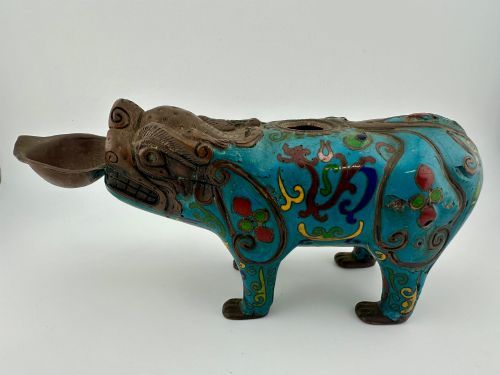
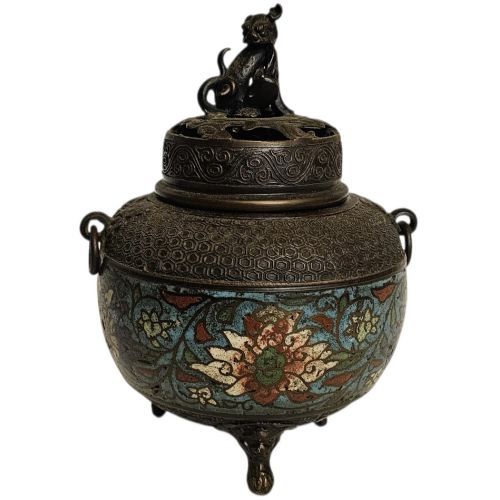
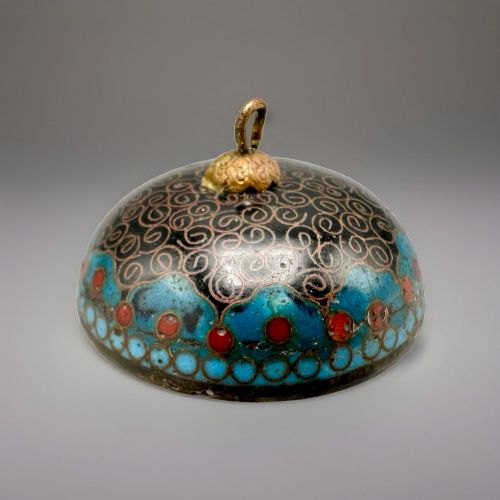
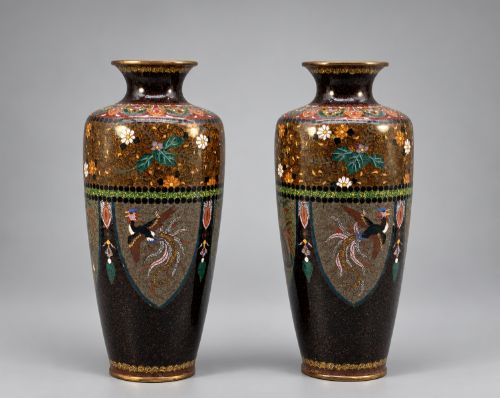
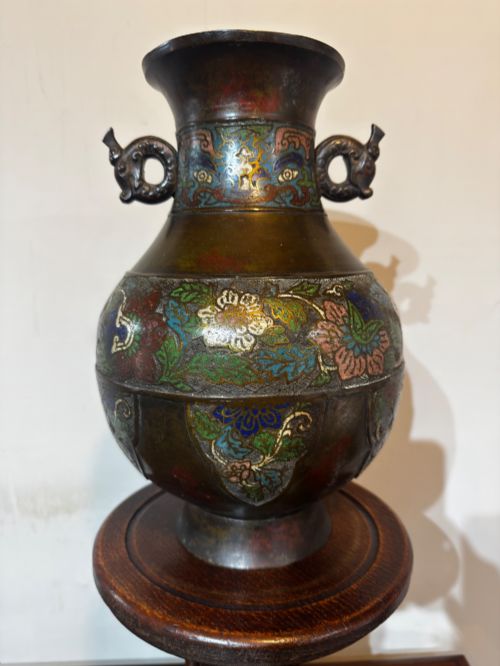
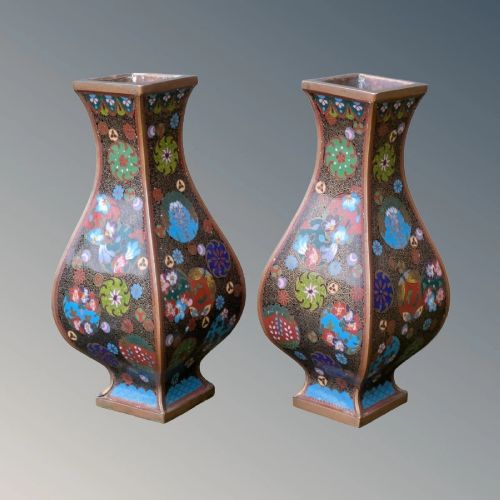
These pieces of bronze cloisonne vessel bring together hammered metal and vibrant enamel cellwork from the nineteenth and early twentieth centuries.
Bronze Cloisonne Vessel
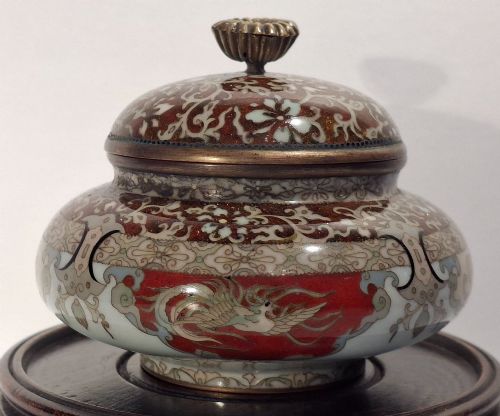
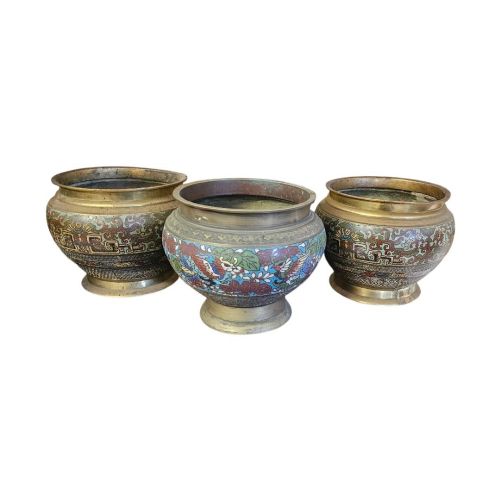
A bronze cloisonne vessel is a metal container decorated with intricate enamel compartments, spanning Chinese Qing and Japanese Meiji periods.
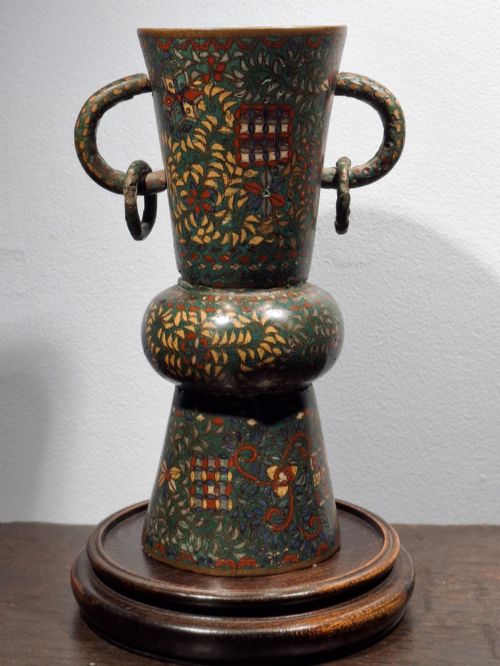
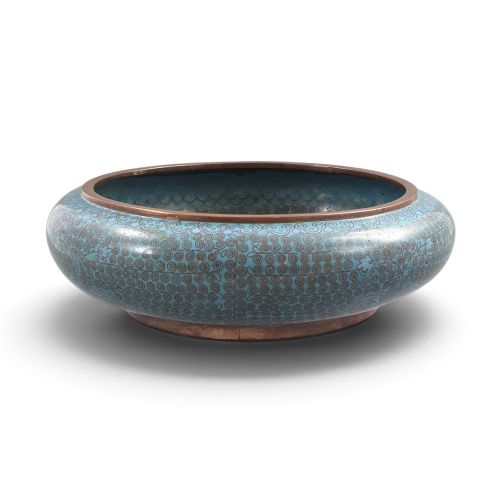
The selections here range from utilitarian items like sake kettles and brush washers to monumental temple censers and jardiniere bowls.
Collectors encounter vases, incense burners and decorative bowls shaped in both traditional archaic forms and naturalistic nineteenth-century silhouettes.
How they were made
Craftsmen soldered thin metal wire onto bronze, brass or copper bodies to outline decorative cells known as cloisons.
These compartments were then filled with vitreous enamel paste before the piece underwent multiple firings and surface polishing.
Bronze Cloisonne Vessel Retail Price Guide 2026
Typical asking prices for bronze cloisonne vessel among the pieces listed under this phrase on Sellingantiques today, from the lower quarter to the upper quarter. They describe what is for sale here now, not the wider market.
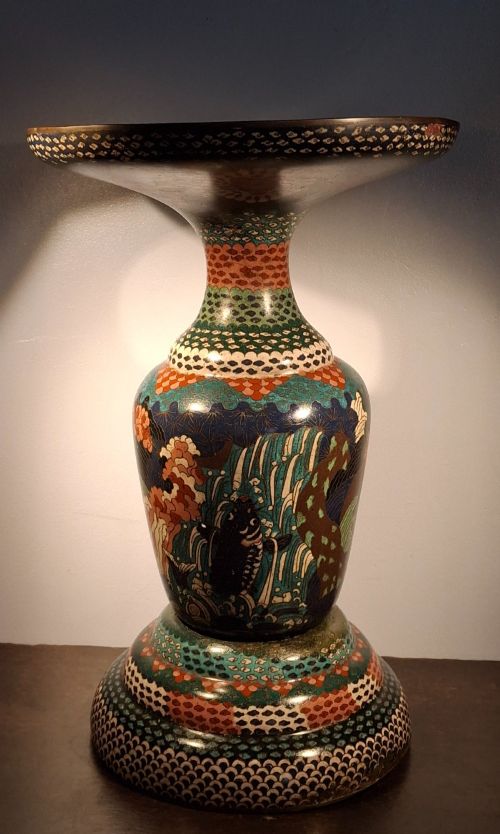
Several vessels feature leaping koi fish rendered in meticulous wirework, appearing to swim eternally across the bronze.
What varies in quality
The precision of the wirework and the uniformity of the enamel fill determine the refinement of the finished object.
Early pieces display deliberate weight and balanced proportions, while later examples often show greater complexity in colour gradation.
Tsukamoto Hikokichi
The Bronze Cloisonne Vessel Glossary
- Cloisonne
- An enamelling technique where metal wire forms raised barriers to hold coloured pastes before firing. The resulting surface is subsequently ground smooth.
- Champleve
- A method where troughs or cavities are carved directly into a metal surface to receive enamel. This technique predates many standard wire-work methods.
- Koro
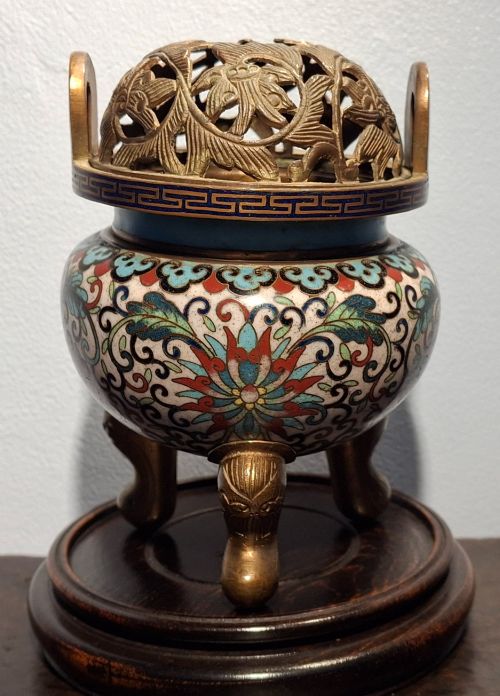
- A traditional Japanese incense burner fitted with a pierced cover. These burners frequently stand on three or more legs.
- Censer
- A vessel designed for burning incense during ritual or domestic use. Chinese examples often incorporate tripod supports and mythical beast motifs.
- Jardiniere
- A large ornamental pot intended to hold live plants or floral arrangements. They appear in heavy bronze configurations with enamel friezes.
Bronze Cloisonne Vessel: Frequently Asked Questions
How do I clean a bronze cloisonne vessel?
Dust the surface gently with a soft, dry cloth to prevent accumulation in the wire recesses. Avoid chemical polishes that can discolour the exposed metal and damage the vitreous enamel.
Keep the item away from direct sunlight and damp environments to protect the structural integrity of the metal body and the glass-like paste.
What is the difference between Chinese and Japanese pieces?
Chinese vessels from the Qing Dynasty frequently utilise heavier bronze foundations and stylised archaic motifs. The palette often leans towards deep blues and intricate geometric borders.
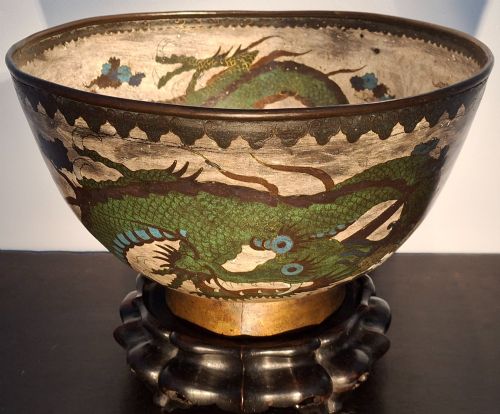
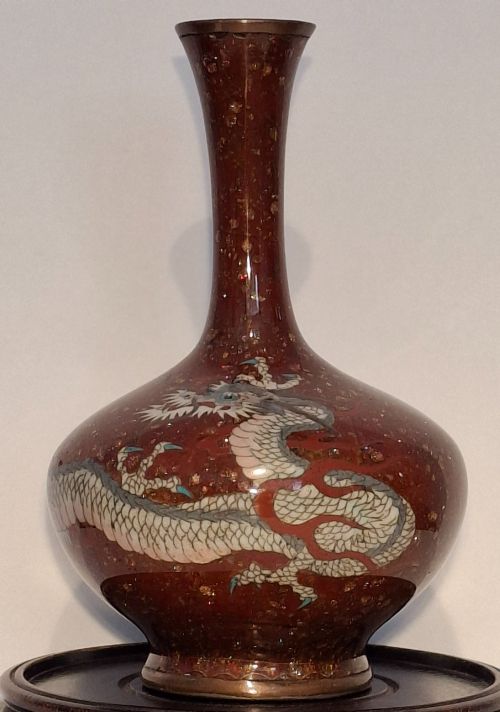
Japanese Meiji period items tend to feature naturalistic imagery such as koi fish, dragons and phoenixes. The wirework is frequently finer and more pictorial.
Were these vessels used in daily life?
Many items served practical functions in scholarly and domestic spaces, from brush washers for calligraphy to tea pots and ashtrays. Others were purely decorative bowls and vases.
Ritual pieces such as censers and koro had specific ceremonial purposes in temples and household shrines before entering the collector market.
How can I tell the age of a vessel?
Dating relies on stylistic markers, manufacturing techniques and the composition of the underlying bronze or copper alloy. Nineteenth-century examples often display distinct patination on the base.
Periods like the Meiji era or Qing Dynasty exhibit specific colour palettes and subject matter that help place the object within a precise historical window.