



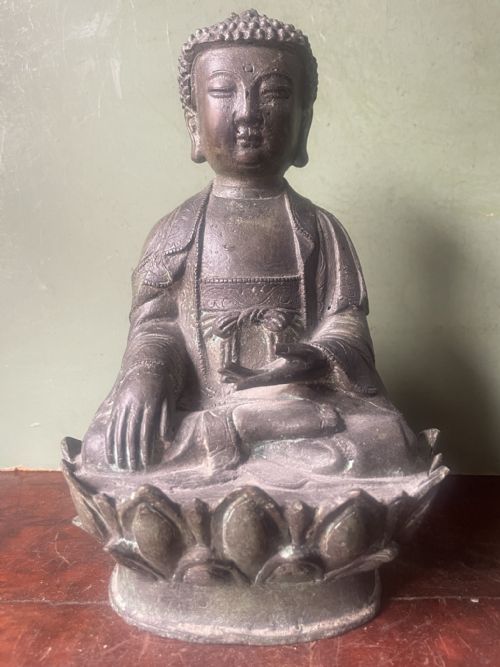


Bronze Buddhist Deity
A bronze buddhist deity brings centuries of ritual focus into a room, spanning Sino-Tibetan workshops to Javanese foundries.
Bronze Buddhist Deity
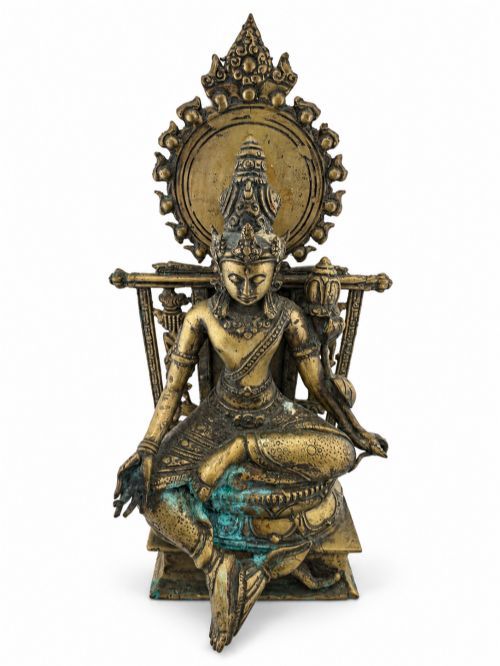
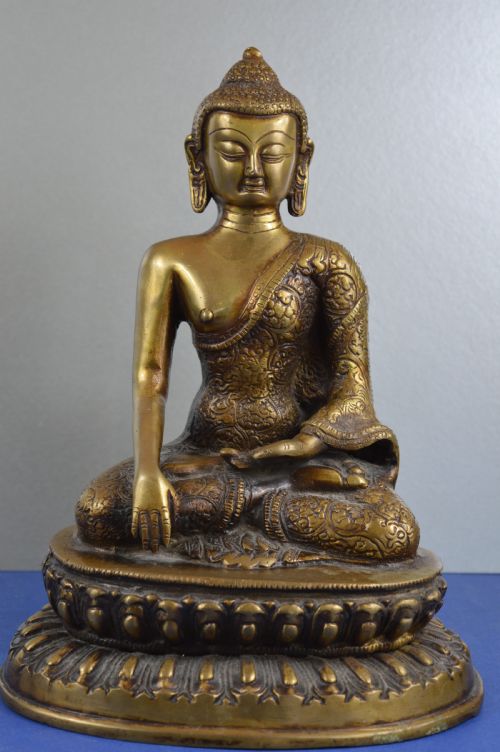
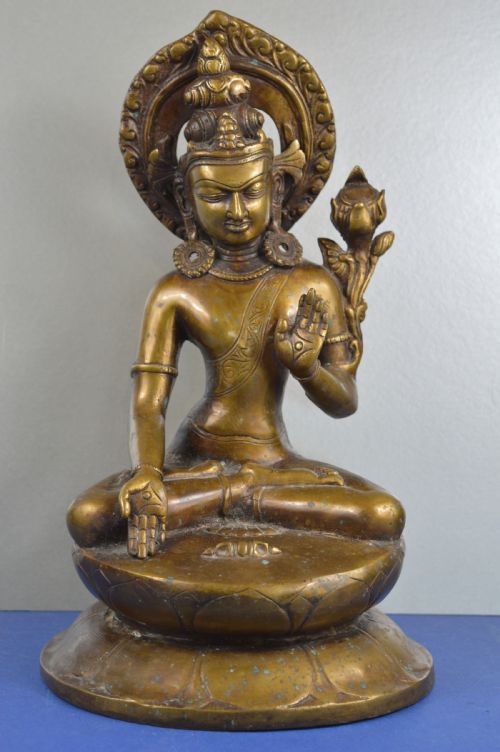
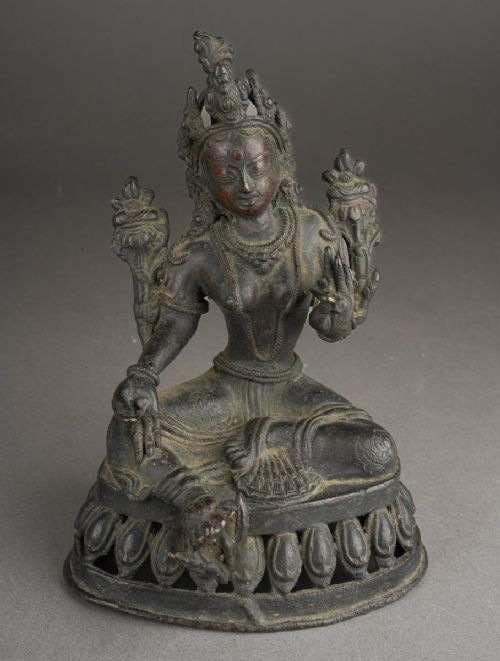
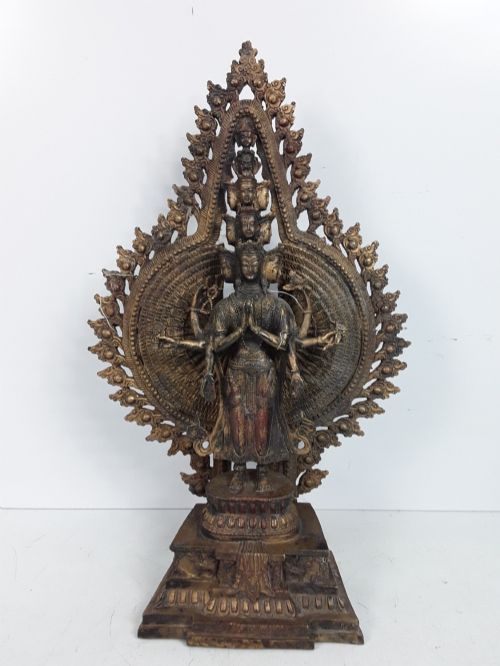
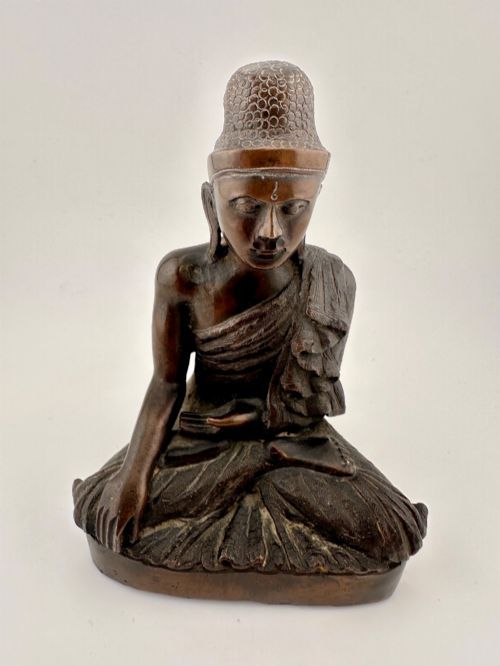
A bronze buddhist deity represents venerated figures from Asian traditions, taking the form of statues, sculptures, and shrines. When you search for bronze buddhist deity, you encounter figures ranging from multi-armed multi-headed bodhisattvas to seated Buddhas and wrathful protectors. These pieces emerge from regions including Tibet, Nepal, China, Burma, Thailand, and Java, reflecting diverse spiritual practices.
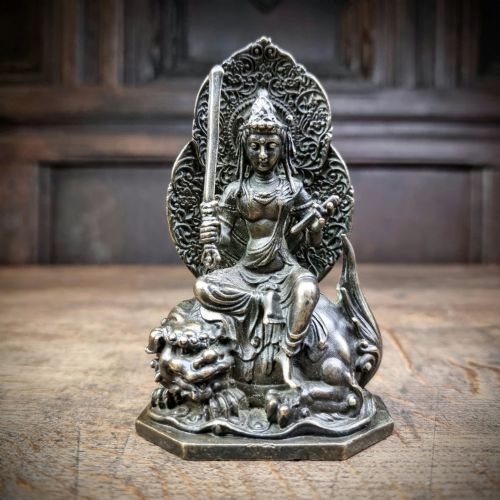
The physical scale varies considerably among these sculptures, from small household shrine figures measuring fourteen centimetres to substantial temple statues stretching over half a metre in height. You meet figures cast in seated meditative postures, standing devotional poses, or dynamic alignments upon pedestals and animal thrones. The forms reflect centuries of regional iconography developed across the Himalayas, Southeast Asia, and the Indonesian archipelago.
Materials and casting methods
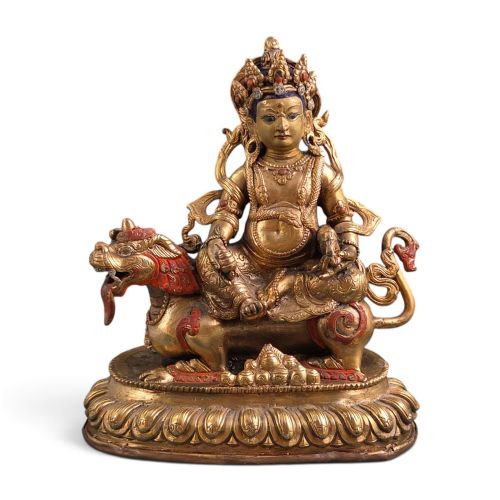
Foundries shaped these figures using copper alloy, brass, and bronze, frequently applying layers of gold gilt over the metal surface to signify sacred status. Artisans enhanced specific details with cold-painted pigments, mineral inlays such as turquoise, or patinated iron finishes. These combined materials required skilled metallurgy, often employing lost-wax casting techniques to capture intricate drapery and ornamentation.
The surface treatments range from polished solid bronze and brown patination to rich gilt surfaces that retain traces of original pigment. Tibetan and Sino-Tibetan works frequently utilise fire-gilding methods, bonding gold amalgam to the bronze base under heat. Foundries in Java, Burma, and Thailand developed distinct regional alloys, resulting in deep patinas and specific tactile qualities across the centuries.
Bronze Buddhist Deity Retail Price Guide 2026
Typical asking prices for bronze buddhist deity among the pieces listed under this phrase on Sellingantiques today, from the lower quarter to the upper quarter. They describe what is for sale here now, not the wider market.
Listings span periods from pre-sixteenth century Javanese pieces to early twentieth-century Sino-Tibetan works, incorporating gilt bronze, copper alloy, and turquoise.
Assessing material and sculptural quality
Material application also dictates quality, particularly in the preservation of original gilding and mineral inlays. Intact turquoise stones, well-applied fire gilding, and stable multi-component construction elevate a sculpture. Conversely, heavy wear that strips away significant surface detail or crude later repairs diminish the visual integrity of the piece.
The Bronze Buddhist Deity Glossary
- Bodhisattva
- An enlightened being who defers nirvana to help others. These figures wear elaborate royal ornaments and crowns rather than monastic robes.
- Gilt Bronze
- Metal cast with a layer of gold applied to the surface. This technique highlights sacred figures and denotes high ritual status.
- Lost-wax casting
- A metalworking method where a wax model is melted out and replaced with molten bronze. This technique allows intricate sculptural detail.
- Mudra
- A symbolic hand gesture made by the deity. Each specific position communicates a teaching, fearlessness, or meditation.
- Tara
- A female meditation deity in Tibetan Buddhism associated with protection and compassion. She appears seated or standing, frequently holding a lotus.
Bronze Buddhist Deity: Frequently Asked Questions
How do I identify different regional styles?
Regional styles reveal themselves through facial structure, crown design, and posture. Sino-Tibetan figures often display ornate tiered crowns and lush lotus bases, whereas Southeast Asian Buddhas from Thailand or Burma show smooth monastic robes and serene expressions.
Material composition also assists attribution. Himalayan bronzes frequently incorporate turquoise inlays and fire gilding, while Javanese works from earlier periods display distinct copper alloy patination and specific proportions.
Where were these figures originally placed?
These sculptures served as focal points for devotion in domestic shrines, remote mountain monasteries, and major Asian temples. Smaller fourteen-centimetre statues were designed for portable personal shrines.
Larger figures stood upon temple altars or within palace niches for communal worship. Incense burners and ritual implements formed part of the wider altar arrangement alongside these deities.
How should I care for a bronze sculpture?
Maintain a stable indoor environment away from direct sunlight, high humidity, and extreme temperature fluctuations. Dust the surface gently with a soft, dry brush to prevent particle accumulation.
Avoid liquid cleaners, polishes, or abrasive cloths that can strip away historic patina, cold-painted pigments, or delicate gilt surfaces.
What does an eleven-headed deity represent?
An eleven-headed deity, such as Avalokiteshvara or Chenrezig, symbolizes the infinite compassion required to perceive and respond to suffering across all realms. The additional faces represent different aspects of enlightened awareness.
This complex iconography is characteristic of advanced Tibetan Buddhist sculpture. Sculptors arranged the extra heads in tiers above the primary countenance, often surrounding them with multiple arms holding symbolic attributes.